
Making the best deer sausage requires a few key steps. With the right ingredients and techniques, you can create a delicious, homemade treat.
Deer sausage is a fantastic way to utilize venison, a lean and flavorful meat. Whether you are an experienced hunter or simply enjoy unique culinary creations, learning to make deer sausage can be rewarding. This guide will walk you through the process, offering tips on selecting the best cuts of meat, choosing the right seasonings, and mastering the art of sausage making.
By the end, you’ll be equipped with all the knowledge needed to craft the perfect deer sausage that can be enjoyed by family and friends alike. Let’s get started on this tasty adventure!
Introduction To Deer Sausage
Deer sausage is a delightful treat, especially for those who enjoy game meat. It offers a unique flavor and is a versatile ingredient for various recipes. Making the best deer sausage at home can be a rewarding experience. You’ll have control over the ingredients and the seasoning, ensuring a healthier and tastier product.
Why Choose Deer Meat
Deer meat, also known as venison, is an excellent choice for sausage making. Here are some reasons:
- Flavor: Deer meat has a rich, earthy taste that stands out.
- Leanness: It is leaner than beef and pork, making it a healthier option.
- Sustainability: Hunting deer helps manage wildlife populations and can be more sustainable than factory-farmed meat.
Health Benefits
Deer meat is not only tasty but also comes with numerous health benefits. Let’s take a closer look:
| Nutrient | Benefit |
|---|---|
| Protein | Supports muscle growth and repair. |
| Iron | Essential for healthy blood and energy levels. |
| Low Fat | Helps maintain a healthy weight. |
| Vitamins B6 and B12 | Important for brain function and energy. |
By choosing deer sausage, you can enjoy a nutrient-dense meal. It’s a great way to incorporate healthy, organic meat into your diet.
Selecting The Right Deer Meat
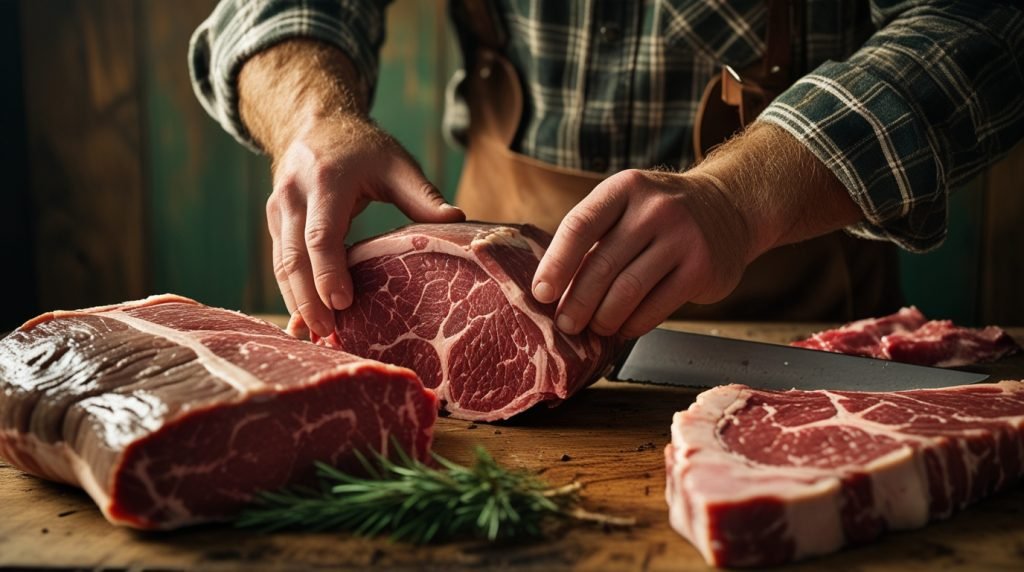
Selecting the right deer meat is crucial for making the best sausage. The meat’s quality and freshness greatly affect the sausage’s taste and texture. Let’s dive into choosing the best cut and ensuring its freshness and quality.
Choosing The Cut
Different cuts of deer meat yield different flavors and textures. For sausage, use cuts from the shoulder or hindquarters. These cuts have the right balance of lean meat and fat. Avoid using cuts from the backstrap or tenderloin. These are better suited for steaks or roasts.
Freshness And Quality
Freshness is key to making delicious deer sausage. Ensure the meat is fresh and properly stored. Fresh deer meat should have a deep red color. Avoid meat with a brown or grayish hue. This indicates it is not fresh.
Check the texture of the meat as well. Fresh deer meat should be firm to the touch. It should not feel slimy or sticky. Also, smell the meat. It should have a mild, gamey odor. Avoid meat with a strong, sour smell.
Essential Ingredients
Creating the best deer sausage begins with gathering the right ingredients. Quality ingredients lead to a flavorful and satisfying sausage. Let’s dive into the essential ingredients that make deer sausage delicious and unforgettable.
Spices And Seasonings
Spices and seasonings give deer sausage its unique taste. Common spices include garlic powder, onion powder, and black pepper. Paprika adds a hint of sweetness and a vibrant color. Mustard seeds bring a tangy flavor. Red pepper flakes add a spicy kick. Use salt to enhance all the other flavors.
Additional Meat And Fat
Deer meat is lean. Adding pork or beef fat is necessary. This improves the texture and juiciness of the sausage. Pork shoulder is a popular choice. Its fat content is ideal for sausage making. Aim for a mix of 80% deer meat and 20% pork fat. This balance ensures a rich and moist sausage. Some use beef fat, but pork fat is preferred for its flavor.
Preparing The Equipment
Making the best deer sausage starts with preparing your equipment. Good tools make the job easier and ensure great results. This section will guide you through the main tools you need.
Meat Grinder
A meat grinder is essential for processing deer meat. Choose a grinder that fits your needs. Manual grinders are cheaper but need more effort. Electric grinders are faster and easier to use. Clean the grinder before use. This prevents contamination and keeps the meat fresh. Ensure all parts are dry before assembly.
Sausage Stuffer
Next, you need a sausage stuffer. This tool helps fill the sausage casings. You can choose between vertical and horizontal stuffers. Vertical stuffers are easier to use. Clean the sausage stuffer thoroughly. Dry all parts to prevent any issues. Make sure the stuffer is assembled correctly. This ensures smooth operation.
Grinding The Meat
Grinding the meat is a crucial step in making deer sausage. This process affects the texture and flavor of the final product. Proper grinding ensures that the meat blends well with spices and other ingredients. Let’s explore the best techniques and tips for grinding meat.
Proper Grinding Techniques
First, cut the deer meat into small chunks. This helps the grinder process it more efficiently. Make sure the meat is cold but not frozen. Cold meat grinds better and reduces the risk of contamination.
Next, use a sharp grinding blade. A dull blade can tear the meat, affecting texture. Always use a meat grinder that suits your needs. Manual grinders work well for small batches. Electric grinders are better for larger quantities.
Grind the meat twice for a finer texture. Start with a coarse grind, then switch to a finer setting. This ensures a smooth and even mixture. Add some pork fat for better flavor and juiciness. Deer meat is lean, and fat enhances the sausage.
Maintaining Texture
To maintain texture, avoid overworking the meat. Overworking can make the sausage tough. Mix the meat gently with your hands or a spatula. Do not use a food processor, as it can overprocess the meat.
Chill the meat between grinding sessions. This keeps the fat solid and prevents smearing. Smearing can make the sausage greasy and less appealing. Always clean the grinder thoroughly before and after use. This ensures the best quality and taste.
Following these steps will help you achieve perfect deer sausage. Proper grinding techniques and maintaining texture are key. Enjoy the process and the delicious results!
Mixing The Ingredients
Mixing the ingredients is crucial in making the best deer sausage. This step ensures all flavors blend perfectly. Proper mixing results in a tasty, cohesive sausage that holds together well during cooking.
Creating The Perfect Blend
Start by preparing the meat. Use a mix of venison and pork. The pork adds fat, which is essential for moisture. For a balanced blend, use a 70% venison and 30% pork ratio. Make sure both meats are cold before mixing. Cold meat grinds better and binds well.
Next, grind the meat using a coarse grinder. This gives the sausage a good texture. Once ground, mix the meats thoroughly. Use your hands or a stand mixer with a paddle attachment. The key is to mix until the meat becomes tacky. This ensures proper binding.
Balancing Flavors
Seasoning is where you can get creative. Start with basic seasonings: salt, black pepper, and garlic powder. Use 1 tablespoon of salt per pound of meat. Add 1 teaspoon of black pepper and garlic powder per pound. These are essential for flavor.
Now, add your spices. For a classic deer sausage, use:
- 1 tablespoon paprika
- 1 teaspoon crushed red pepper
- 1 teaspoon dried thyme
- 1 teaspoon dried sage
Mix these spices into the meat thoroughly. Make sure every part of the meat gets seasoned. For added flavor, consider adding a splash of red wine or apple cider vinegar. This adds a subtle tanginess that enhances the overall taste.
Here is a quick reference table for your ingredients:
| Ingredient | Amount (per pound of meat) |
|---|---|
| Salt | 1 tablespoon |
| Black Pepper | 1 teaspoon |
| Garlic Powder | 1 teaspoon |
| Paprika | 1 tablespoon |
| Crushed Red Pepper | 1 teaspoon |
| Dried Thyme | 1 teaspoon |
| Dried Sage | 1 teaspoon |
Remember, the secret to a great sausage is in the seasoning. Adjust the spices to your taste. Experiment and find your perfect balance.
Stuffing The Sausage
Stuffing the sausage is a crucial step in making the best deer sausage. It’s where the magic happens, transforming seasoned meat into delicious sausages. This process requires patience and a bit of skill. But don’t worry! With these tips, you’ll master it in no time.
Filling The Casings
Start by preparing your sausage casings. Soak them in warm water for about 30 minutes. This makes them pliable and easier to work with. Rinse the casings thoroughly, both inside and out.
Next, attach the casing to your sausage stuffer. Leave a few inches at the end to tie a knot. Carefully fill the stuffer with your seasoned deer meat. Slowly crank the handle to fill the casing with meat. Keep a steady pace to avoid breaking the casing.
Avoiding Air Pockets
Air pockets can ruin the texture of your sausage. To avoid them, use a needle or a sausage pricker. Gently prick the casing as you fill it. This lets out any trapped air.
Also, maintain a consistent pressure when stuffing the sausage. This helps the meat flow smoothly into the casing. If you notice air pockets, stop and prick them before continuing.
Once the casing is filled, tie off the end. Twist the sausage into links, about 4-6 inches long. Make sure each link is even and firm.
Here’s a quick table for your reference:
| Step | Action |
|---|---|
| 1 | Soak casings in warm water |
| 2 | Rinse casings thoroughly |
| 3 | Attach casing to sausage stuffer |
| 4 | Fill stuffer with seasoned meat |
| 5 | Crank handle to fill casing |
| 6 | Prick casing to remove air pockets |
| 7 | Tie off and twist into links |
And there you have it! Your deer sausage is now ready for cooking or freezing. Enjoy the fruits of your labor!
Cooking The Sausage
Cooking deer sausage can be a delightful experience. The rich, gamey flavor of the meat stands out. To make the best sausage, choose the right cooking method. Both smoking and grilling offer unique benefits.
Smoking Vs. Grilling
Smoking deer sausage infuses the meat with a deep, smoky flavor. This method also keeps the sausage juicy. Smoking can take longer, but the result is worth the wait.
Grilling, on the other hand, gives the sausage a nice char. It cooks faster than smoking. Grilling also adds a crispy texture to the sausage. Both methods enhance the flavor in different ways.
Optimal Cooking Time
The cooking time for deer sausage varies. For smoking, plan on 2 to 3 hours. Set your smoker to 225°F for the best results.
Grilling deer sausage takes less time. Grill each side for about 6 to 8 minutes. Ensure the internal temperature reaches 160°F. This ensures the sausage is safe to eat.
Use a meat thermometer to check the temperature. This helps avoid overcooking. Overcooked sausage can become dry and tough.
Storing And Preserving
Making the best deer sausage is an art. Yet, it doesn’t end there. Proper storage and preservation are key. This ensures your sausage remains tasty and safe to eat. Let’s dive into some effective methods to store and preserve your deer sausage.
Refrigeration Tips
Refrigeration is essential for short-term storage. First, let the sausages cool to room temperature. Wrap them in plastic wrap or aluminum foil. Place the wrapped sausages in an airtight container. This prevents any flavors from mingling.
Set your fridge to 40°F (4°C) or lower. Store the sausages in the coldest part of the fridge. They can stay fresh for up to a week. Check for any signs of spoilage before consuming.
Long-term Storage
For long-term storage, freezing is your best option. Begin by wrapping each sausage in plastic wrap. Then, cover them with aluminum foil. This helps avoid freezer burn.
Label the packages with the date. This helps you track how long they’ve been stored. Store the wrapped sausages in a freezer set at 0°F (-18°C) or lower. Deer sausages can last up to six months in the freezer.
When ready to use, thaw them in the fridge. This ensures they thaw evenly and safely. Do not refreeze thawed sausages as this can affect their quality.
Serving Suggestions
Serve deer sausage with sautéed onions and peppers. Pair with rustic bread and a tangy mustard. Enjoy it hot off the grill.
When making deer sausage, serving it well makes all the difference. The right sides and creative recipes can enhance the flavor. Let’s explore some ideas.
Pairing With Sides
Deer sausage pairs well with many sides. Mashed potatoes provide a creamy texture. Roasted vegetables offer a crunchy contrast. Try green beans or carrots for a simple, tasty option.
Cornbread is another great side. Its sweetness complements the savory sausage. You can also add a side salad. Fresh greens with a light dressing balance the rich flavors.
Creative Recipes
You can create many dishes with deer sausage. Try a hearty stew. Combine sausage with beans, tomatoes, and spices. Simmer until everything is tender.
Pizza is another fun option. Use deer sausage as a topping. Add onions, peppers, and cheese. Bake until the crust is golden.
Make a breakfast scramble. Mix sausage with eggs, onions, and bell peppers. Cook until the eggs are set. Serve with toast or tortillas.
Stuffed peppers are delicious, too. Fill bell peppers with a mix of sausage, rice, and cheese. Bake until the peppers are soft.
For a twist, try sausage pasta. Cook pasta and mix with sausage, garlic, and a creamy sauce. Top with grated cheese.
These ideas make serving deer sausage easy and fun. Enjoy experimenting with different sides and recipes.
“`
Frequently Asked Questions
What Ingredients Are Needed For Deer Sausage?
To make deer sausage, you’ll need ground venison, pork fat, salt, pepper, garlic, and your choice of spices.
How Long Should I Cook Deer Sausage?
Cook deer sausage until the internal temperature reaches 160°F. This usually takes about 20-30 minutes.
Can I Freeze Deer Sausage?
Yes, you can freeze deer sausage. Ensure it’s tightly wrapped and stored in an airtight container.
What Type Of Casing Is Best For Deer Sausage?
Natural hog casings are commonly used and provide the best texture for deer sausage.
Conclusion
Making deer sausage can be fun and rewarding. Follow the steps and tips shared. Use fresh ingredients for the best taste. Experiment with spices to suit your preference. Practice makes perfect, so don’t be afraid to try again. Share your homemade sausage with friends and family.
Enjoy the delicious and unique flavors. Happy cooking!
As an Amazon Associate, I earn from Qualifying Purchases.