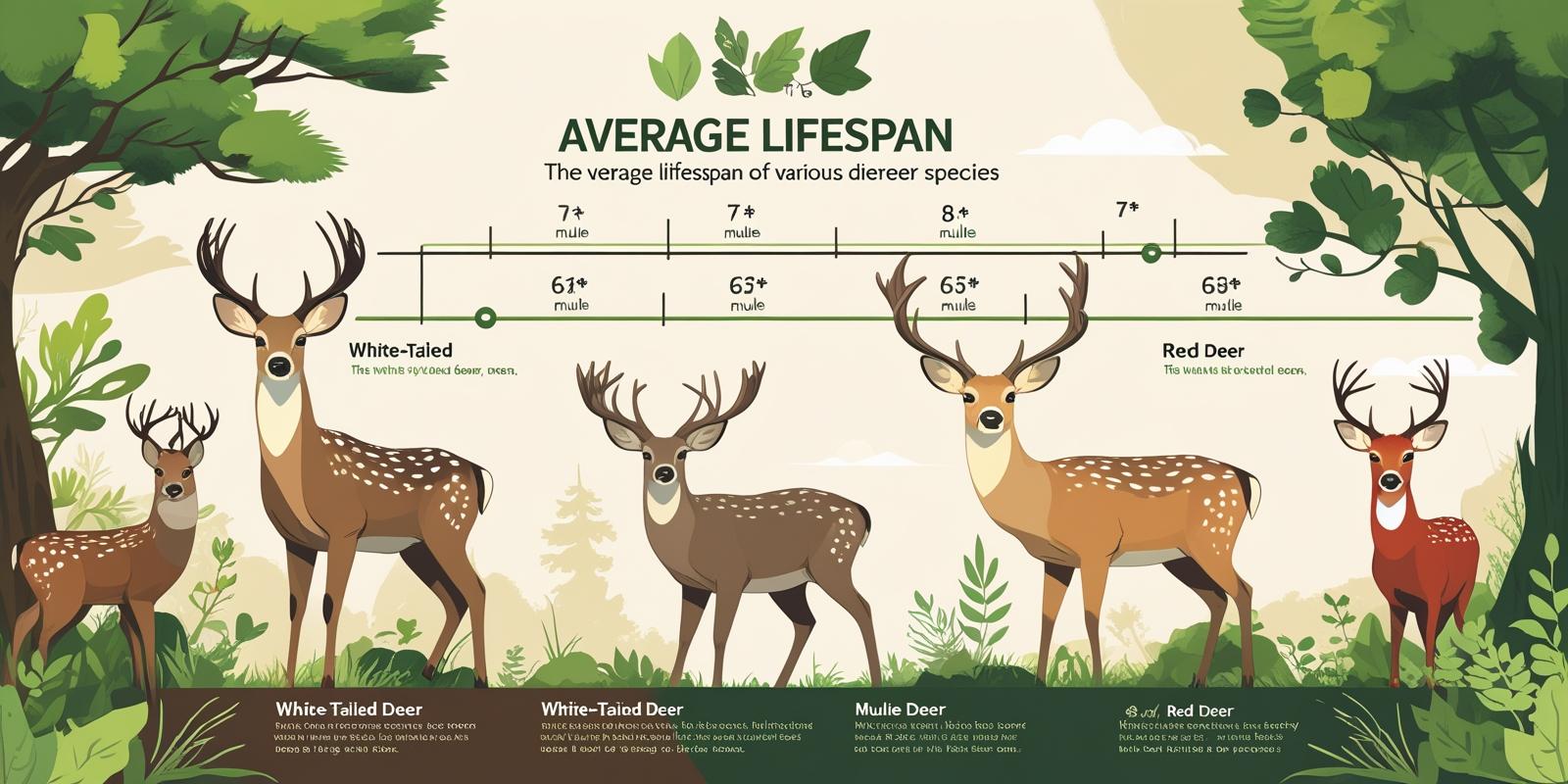
Deer can live between 4 to 10 years in the wild, depending on various factors. In protected environments, some deer can live much longer.
Deer are fascinating creatures that roam many parts of the world. Their life expectancy varies based on species, environment, and threats from predators and humans. Understanding how long deer live can help us appreciate their role in nature. It also aids hunters, wildlife enthusiasts, and conservationists in making informed decisions.
Factors like habitat, diet, and health influence their lifespan. By exploring these elements, we can gain insights into the life cycle of these remarkable animals. Join us as we delve into the lifespan of deer and what affects their longevity in the wild.
The Lifespan Of Deer
Deer are fascinating creatures with varying lifespans. Their life expectancy depends on numerous factors. Generally, deer can live anywhere from 4 to 16 years. Wild deer often face many dangers, which affect their longevity.
Captive deer usually enjoy longer lives. They benefit from protection and care. Understanding the lifespan of deer helps us appreciate their survival and adaptability.
Factors Influencing Longevity
Several factors influence how long deer live. Predation is a significant threat. Animals like wolves and coyotes hunt deer, especially young ones.
Habitat quality also plays a role. Deer need access to food and water. Poor environments can lead to malnutrition and shorter lives.
Diseases can impact deer populations. Outbreaks can cause high mortality rates. Human activities, like hunting and road accidents, pose additional risks.
Wild Vs. Captive Life Expectancy
Wild deer have a shorter lifespan compared to those in captivity. On average, wild deer live 4 to 10 years. Natural threats and scarce resources often limit their lives.
Captive deer can live up to 16 years or more. They receive regular food, water, and veterinary care. This safe environment allows them to thrive.
Overall, while wild deer face numerous challenges, captive deer enjoy longer, healthier lives.
Deer Species And Their Lifespans
Understanding the lifespans of different deer species can give you a deeper appreciation for these fascinating animals. Each species has its own unique life expectancy influenced by factors like habitat, diet, and predation. Let’s break down some of the most common deer species and their lifespans.
White-tailed Deer
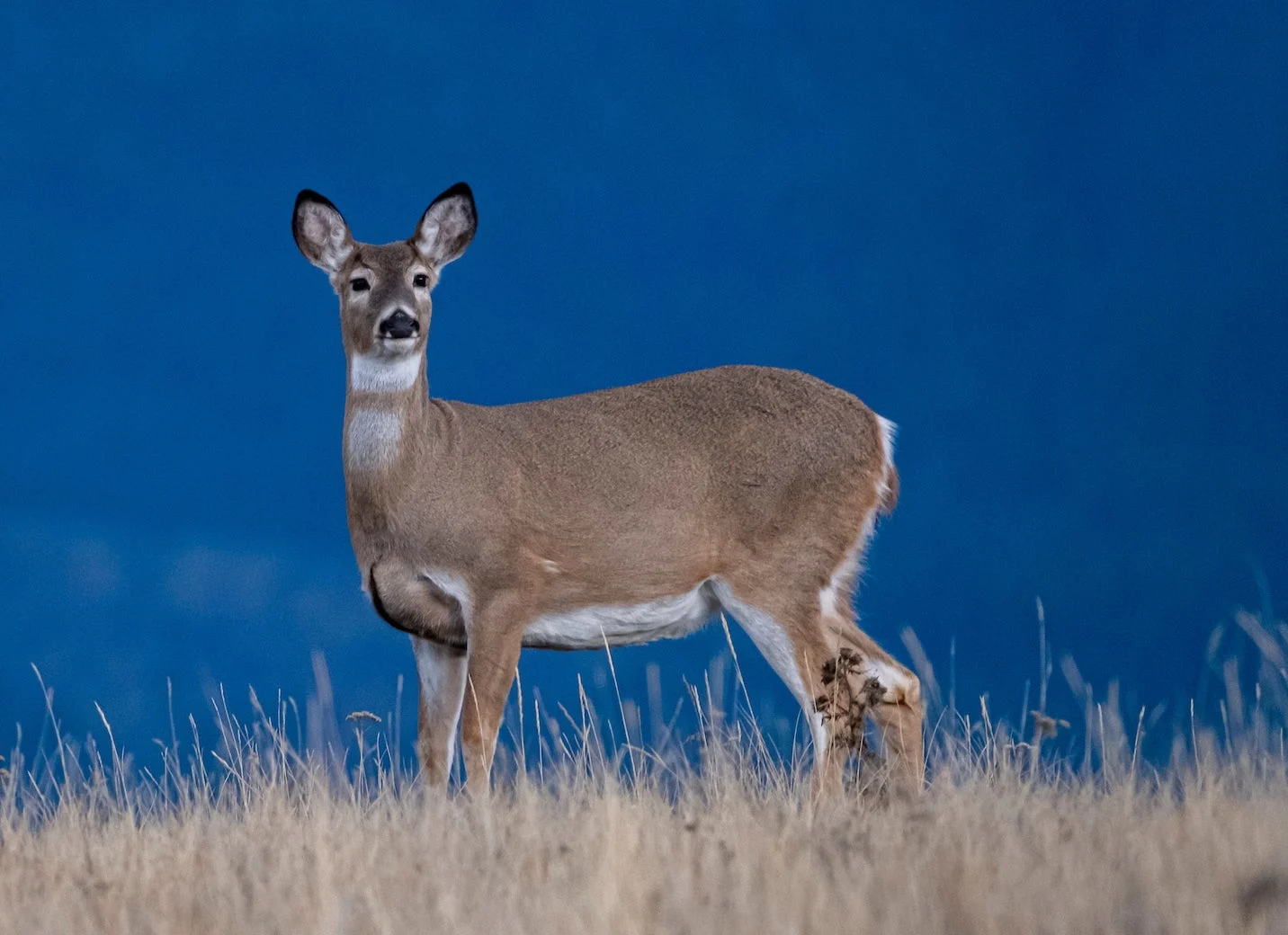
White-tailed deer are one of the most recognized deer species in North America. In the wild, they typically live between 3 to 5 years. However, some can reach up to 15 years in protected environments or when they evade predators.
Have you ever spotted a white-tailed deer during a hike? It’s thrilling to see them dart away, showcasing their agility. The challenges they face daily contribute to their shorter lifespans in the wild.
Mule Deer
Mule deer, known for their large ears and unique appearance, usually live about 6 to 10 years in the wild. In areas with less hunting pressure and plenty of food, they can thrive longer, sometimes reaching 12 to 15 years.
Think about the different environments where you might find mule deer. Their adaptability plays a crucial role in their lifespan. Spotting one can ignite your curiosity about their survival skills.
Other Deer Species
- Elk: These majestic creatures can live up to 10 to 12 years in the wild.
- Reindeer: Also known as caribou, they typically live around 10 years, with some reaching up to 15 years.
- Red Deer: Found mainly in Europe, they can live up to 16 years under optimal conditions.
Have you heard of the record for the oldest deer? It’s fascinating to consider how certain conditions can lead to longer lives. Each species has its own story, shaped by its environment and interactions.
Understanding these lifespans can enhance your wildlife observation experiences. Next time you encounter a deer, think about the journey it has taken to reach that moment.
Early Life Stages
The early life stages of deer are critical for their survival. From birth to juvenile development, each phase plays a vital role. Understanding these stages helps us appreciate the challenges young deer face. It also sheds light on how long deer live in the wild.
Birth And Fawn Survival
Deer usually give birth in late spring. This timing helps ensure food availability. A doe can have one to three fawns at a time. Each fawn weighs around six to eight pounds at birth.
Newborn fawns are vulnerable. They rely on their mother for warmth and milk. The mother often hides them in tall grass. This keeps them safe from predators. Fawns stay hidden for most of their first few weeks.
Fawn survival rates can be low. Many do not survive their first year. Predators, disease, and harsh weather contribute to this. However, fawns that make it past this stage have a better chance at life.
Juvenile Development
After a few weeks, fawns become more active. They start to follow their mothers. They learn to graze and explore their surroundings. This period is crucial for their development.
Juveniles grow quickly. By fall, they are usually weaned. They start to eat solid food. Social learning begins as they interact with other deer.
During this time, juvenile deer face challenges. Competition for food increases. They must learn to navigate their environment. Those that adapt well will continue to thrive.
Credit: www.fieldandstream.com
Maturity And Aging
Deer lifespan varies significantly based on their environment. In the wild, most deer live around 4 to 6 years, while some can reach up to 10 years. In captivity, they may live longer, sometimes exceeding 15 years, due to reduced threats and better care.
Understanding the maturity and aging of deer is essential for wildlife enthusiasts and hunters alike. Knowing how long deer live, along with their stages of life, can enhance your appreciation of these magnificent animals. As deer grow, they undergo various changes that signify their maturity and aging. Let’s explore these fascinating aspects of a deer’s life.The Prime Of Life
Deer typically reach their prime between 3 to 5 years of age. During this period, they exhibit peak physical condition, showcasing impressive antler growth and robust body size.In my own experience while observing deer in the wild, I noted that those in this age range were often more agile and aware of their surroundings. Their ability to evade predators is significantly heightened.This prime stage is crucial for reproduction as well. Mature bucks compete for does, ensuring the continuation of their lineage. Have you ever witnessed a rutting season? The energy and determination displayed by mature bucks are truly remarkable.Signs Of Aging In Deer
As deer age, several physical signs become apparent. One of the most noticeable changes is in their antlers. Older bucks may develop irregularities, such as smaller antlers or asymmetry.You might also observe that older deer have worn-down teeth, which can indicate their age. Tracking these changes can be quite educational.Additionally, the coat of an aging deer may lose its luster, becoming dull or grizzled. Have you noticed these signs on deer in your area? Recognizing these indicators can deepen your understanding of their life cycle.Understanding the maturity and aging of deer not only enhances your wildlife knowledge but also enriches your outdoor experiences. What new insights will you take with you on your next adventure in the wild?Threats To Deer Longevity
Deer face many threats that can shorten their lives. Understanding these challenges is key to their survival. Predators, diseases, and human activities all play a role. Each factor affects deer differently. Let’s explore these threats in detail.
Predators And Disease
Deer have natural predators. These include wolves, coyotes, and mountain lions. Predators hunt deer, especially young or weak ones. This predation limits their lifespan.
Diseases also pose a significant threat. Conditions like Chronic Wasting Disease (CWD) are deadly. CWD spreads among deer populations, reducing their numbers. Other diseases can weaken deer, making them more vulnerable.
Human Impact
Humans greatly impact deer longevity. Urban development destroys their habitats. This leads to less food and shelter for deer. Roads pose dangers too. Many deer die in vehicle collisions each year.
Hunting also affects deer populations. While regulated hunting can manage populations, overhunting can lead to declines. Poor management practices can disrupt the balance in deer herds.
Pollution and climate change further complicate their survival. These factors impact food sources and habitats. Addressing human impacts is crucial for deer longevity.

Credit: www.grandviewoutdoors.com
Conservation And Management
Effective conservation and management are essential for deer populations. These efforts help ensure the health of deer and their habitats. Proper management promotes balance within ecosystems. It also supports sustainable hunting practices. Understanding how to manage deer populations is vital for their survival.
Habitat Preservation
Habitat preservation plays a critical role in deer conservation. Healthy forests, wetlands, and grasslands provide food and shelter. These areas support not only deer but many other species. Protecting these habitats helps maintain biodiversity. It also reduces human-deer conflicts. Efforts to restore degraded habitats can significantly benefit local deer populations.
Controlled Hunting
Controlled hunting is another important management tool. It helps regulate deer populations to prevent overpopulation. Overpopulation can lead to habitat destruction and increased disease spread. Setting hunting seasons and limits ensures sustainable practices. Educating hunters about responsible hunting is essential. This approach promotes a healthy deer population while allowing for recreational hunting.
Studying And Tracking Deer Age
Understanding deer age is crucial for wildlife management. Knowing how old deer are helps in making informed decisions. It aids in population control and conservation efforts. Each deer age group behaves differently. This knowledge enhances hunting strategies and ecological balance.
Researchers use various methods to study deer age. They aim to gather data on their life span. Tracking deer age provides insights into their health and reproduction. This information is vital for maintaining healthy deer populations. Different techniques help scientists estimate the age of deer accurately.
Research Techniques
Researchers employ several techniques to study deer age. One common method is field observations. Scientists observe deer in their natural habitat. They take notes on behavior, antler growth, and body size. This data helps estimate age groups.
Another technique involves tagging deer. Researchers capture deer and attach tags. These tags help track individual deer over time. Scientists can gather data on growth and health from tagged deer.
Age Estimation Methods
Estimating deer age can be done through various methods. One popular method is examining teeth. Deer have specific wear patterns on their teeth as they age. By analyzing these patterns, researchers can estimate age accurately.
Biologists also use antler development to estimate age. Antler size and shape change as deer mature. Comparing these features helps determine age. In some cases, biologists may use DNA testing for more precise age estimation.
Record-holding Deer
Deer typically live around 4 to 10 years in the wild. Some can reach up to 16 years in protected environments. Factors like habitat, predators, and food availability influence their lifespan. Record-holding deer often have long lives, showcasing the impact of care and environment on longevity.
When considering the longevity of deer, it’s fascinating to look at the record-holding individuals that have surpassed typical lifespan expectations. These exceptional cases not only pique interest but also provide insight into the various factors influencing deer longevity. Let’s dive into some noteworthy examples that showcase the impressive lifespans these animals can achieve.Oldest Documented Deer
The title for the oldest documented deer goes to a whitetail named “Old Buck,” who lived to a remarkable age of 16 years. This record was verified by wildlife biologists and stands as a testament to optimal living conditions. Factors such as diet, habitat, and minimal predation can significantly contribute to such extraordinary longevity.Another notable case is a mule deer that lived for 19 years in captivity. This highlights how controlled environments can lead to extended lifespans compared to their wild counterparts. Such instances remind us of the delicate balance between nature and nurture in wildlife.Exceptional Lifespan Cases
While most deer live between 4 to 10 years in the wild, there are rare instances that defy these norms. A deer named “Bambi” was reported to have lived for 18 years in a sanctuary. This showcases how protection from hunting and disease can lead to longer lives.Additionally, deer raised on farms often reach ages of 10 years or more. This is particularly common in regions where they are cared for as livestock. The right conditions, including proper nutrition and veterinary care, can create remarkable longevity.Have you ever wondered what factors contribute to these exceptional lifespans? Understanding the elements that promote longevity in deer can shed light on wildlife management practices and conservation efforts. Whether you’re a hunter, a nature enthusiast, or simply curious, these record-holding deer offer valuable insights into the resilience and adaptability of these remarkable creatures.Life Cycle Insights
Deer life spans vary based on several factors. In the wild, deer typically live between 4 to 10 years. Captive deer can live longer, sometimes reaching 15 years or more. Understanding these differences helps in wildlife management and conservation efforts.
Understanding the life cycle of deer provides valuable insights into their behavior and longevity. By examining their reproductive habits and seasonal patterns, you can appreciate the complexities of their existence. This knowledge can enhance your outdoor experiences, whether you’re a hunter, wildlife enthusiast, or simply a nature lover.Reproductive Habits
Deer typically reach sexual maturity between 6 to 12 months of age, depending on the species. This early maturity allows them to reproduce quickly, which is essential for maintaining population levels.During the breeding season, known as the rut, male deer become highly active. They will travel great distances to find females, often engaging in sparring matches with other males. Have you ever witnessed these intense encounters? They can be quite a spectacle!The gestation period for deer is about 200 days. Most does give birth to one or two fawns in late spring. This timing ensures that the young are born when food is plentiful, increasing their chances of survival.Seasonal Behavioral Patterns
Seasonal changes significantly affect deer behavior. In spring and summer, deer are more active and visible as they seek out food to support their growing bodies. You might spot them grazing in open fields or near water sources during these warmer months.As fall approaches, deer enter the rut, and their behavior shifts dramatically. Males become aggressive and territorial, while females prepare to mate. Observing this transformation can be fascinating—have you ever noticed how different their demeanor can be during this time?In winter, deer adapt to survive harsh conditions. They often change their diets and may travel to areas with more cover and food. This adaptability showcases their resilience. How do you think these seasonal shifts impact their lifespan and overall health?Understanding these life cycle insights not only enriches your knowledge about deer but also deepens your connection to the natural world.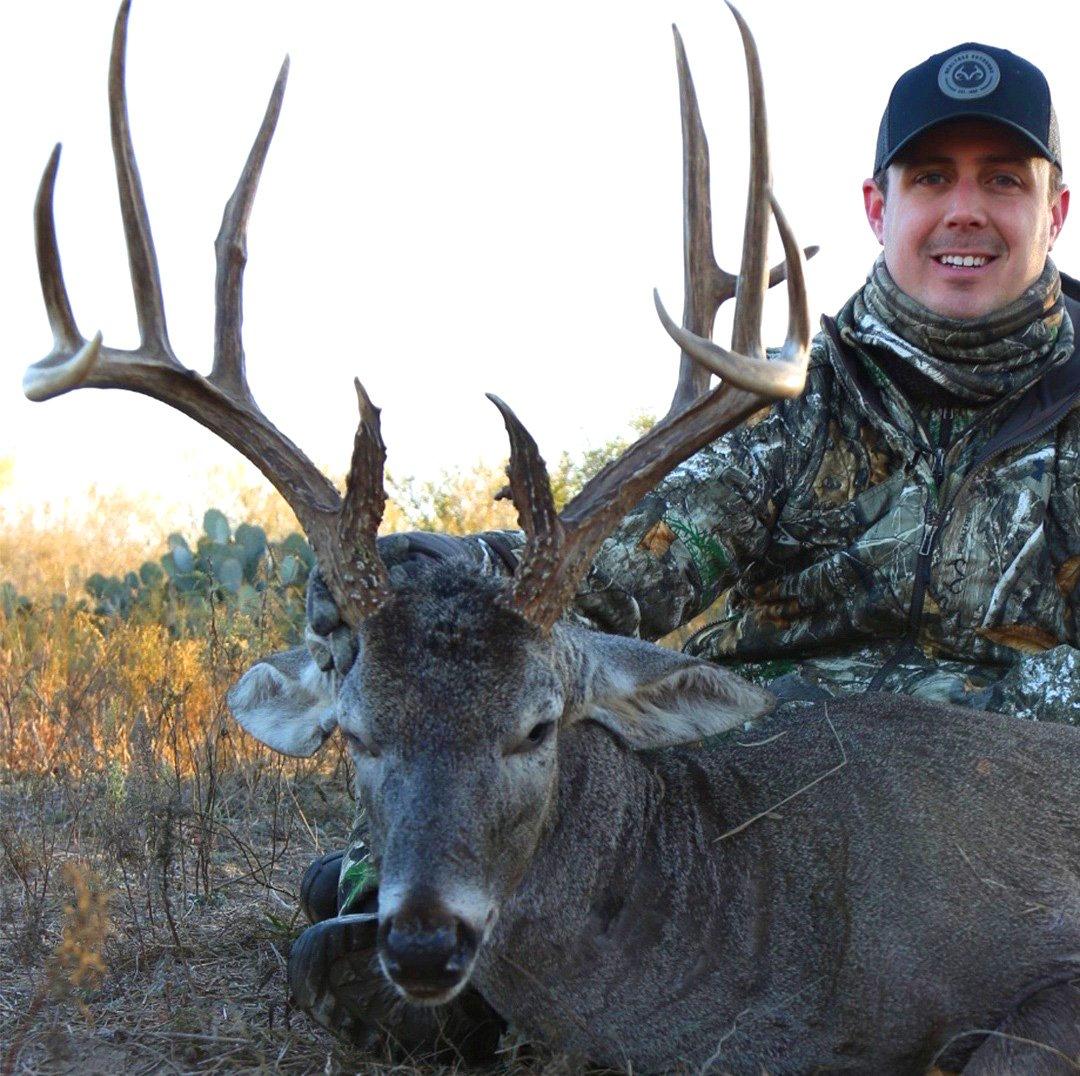
Credit: realtree.com
Deer In Culture And Economy
Understanding the role of deer in culture and the economy is essential to grasp their broader impact on society. These graceful creatures are not just part of the wildlife landscape; they hold significant cultural meanings and contribute to various economic sectors. From folklore to hunting traditions, deer are woven into the fabric of many communities.
Cultural Significance
Deer have a rich presence in various cultures worldwide. In many Native American traditions, they symbolize grace, gentleness, and connection to nature. Their imagery often appears in art, stories, and rituals, reflecting the deep respect communities have for these animals.
Moreover, deer are central to many hunting traditions. Families bond over hunting trips, sharing stories and skills passed down through generations. These experiences foster a sense of community and appreciation for wildlife conservation.
Have you ever felt that rush of excitement during a deer sighting? That moment connects you to nature and reminds you of the wild beauty that surrounds us.
Economic Impact Of Deer Populations
The economic impact of deer is multifaceted. In regions where hunting is prevalent, deer hunting contributes significantly to local economies through tourism, licensing fees, and equipment sales. The revenue generated supports conservation efforts and wildlife management, ensuring the sustainability of deer populations.
Additionally, deer management can influence agricultural practices. Farmers often deal with deer populations that can impact crops. Effective management strategies can help balance agricultural needs with wildlife preservation.
How do you think deer populations affect your local economy? Consider the balance between conservation and economic gain in your community.
Overall, the presence of deer enriches cultural practices and supports economic frameworks, making them integral to both nature and society.
Frequently Asked Questions
What Is The Life Expectancy Of A Deer?
The life expectancy of a deer varies by species. In the wild, deer typically live 4 to 10 years. Factors like predation and habitat affect their lifespan. In captivity, deer can live up to 15 years or more. Overall, conditions greatly influence their longevity.
How Old Is A 10 Point Buck?
A 10-point buck typically ranges from 2 to 5 years old. Age can vary based on genetics and environmental factors. Hunters often use antler size as a rough indicator of age. Proper aging techniques involve examining teeth and antler characteristics for more accurate assessments.
How Old Is A 200 Lb Buck?
A 200 lb buck typically ranges from 4 to 6 years old. Age can vary based on genetics, diet, and habitat conditions. Healthy nutrition and a safe environment contribute to larger sizes and longer lifespans. Hunters often use antler size and tooth wear to estimate age accurately.
What’s The Oldest Deer On Record?
The oldest recorded deer lived to be 24 years old. This remarkable lifespan was noted in a captive setting, where deer often live longer than in the wild. Wild deer typically live around 4 to 10 years, depending on their environment and threats.
Conclusion
Understanding how long deer live helps us appreciate their life cycle. Factors like habitat and food impact their lifespan. Wild deer often live shorter lives due to predators and diseases. In contrast, captive deer enjoy longer lives, sometimes reaching over a decade.
Observing deer in their natural environment can be fascinating. Each deer tells a story of survival. By learning about their lifespan, we can better protect their habitats. This knowledge enriches our connection with nature and wildlife. Let’s continue to respect and care for these amazing creatures.
As an Amazon Associate, I earn from Qualifying Purchases.