
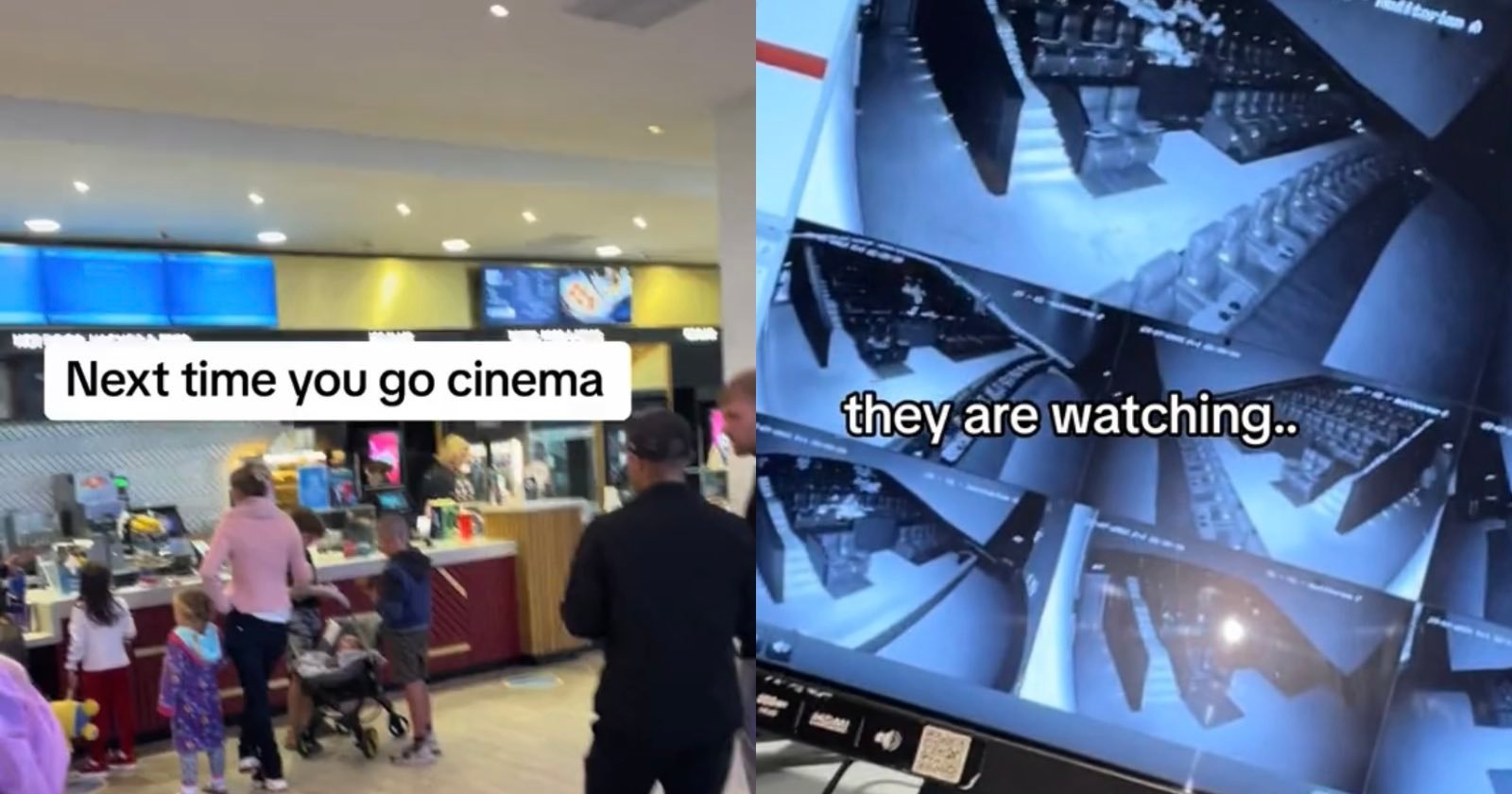
Many people wonder if movie theaters have cameras. The answer is yes, most theaters do have security cameras.
These cameras serve important roles in maintaining safety and preventing piracy. Movie theaters are busy places, filled with many people enjoying films. To keep everyone safe, theaters often install cameras in various areas. These cameras help staff monitor audience behavior and address any issues quickly.
They also play a key role in preventing illegal recording of movies, which can harm the film industry. Understanding the presence of cameras can help moviegoers feel more aware of their surroundings. In this blog post, we will explore the reasons behind the use of cameras in theaters and how they contribute to a better movie experience.
Credit: petapixel.com
The Role Of Surveillance In Cinemas
The role of surveillance in cinemas goes beyond merely keeping an eye on the audience. It serves multiple purposes, including enhancing security, preventing piracy, and ensuring a pleasant viewing experience for everyone. Understanding how surveillance operates in theaters can shed light on both the measures taken to protect films and the ways cinemas maintain order.
Security Measures Against Piracy
One of the primary reasons movie theaters have surveillance cameras is to combat piracy. Unauthorized recordings can lead to significant revenue loss for studios. Surveillance systems are equipped with advanced technology capable of detecting suspicious behavior, such as a phone being held up to record the screen.
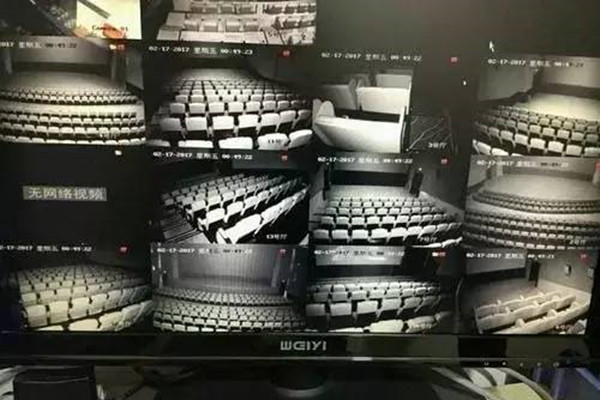
Some theaters employ night vision cameras that can capture clear images even in low-light environments. This capability allows staff to respond swiftly if someone attempts to record a film. Have you ever seen someone get caught recording? It can be quite a scene.
Monitoring Audience Behavior
Surveillance also plays a crucial role in monitoring audience behavior. Staff can spot troublemakers, ensuring that everyone enjoys their movie without disruptions. You may have noticed staff walking around during the screening; they’re not just checking tickets; they’re also watching for any inappropriate behavior.
Additionally, cameras provide valuable footage that can be used for training purposes. Staff can learn how to handle various situations better. Have you ever felt uncomfortable during a movie because of rowdy patrons? It’s reassuring to know that theaters are taking steps to maintain a peaceful environment.
Next time you settle into your seat, remember that those cameras are there for your benefit. They ensure a secure and enjoyable experience, allowing you to focus on the film. So, what are your thoughts on surveillance in cinemas? Does it make you feel more secure, or does it feel invasive?
Types Of Cameras Used In Theaters
Understanding the types of cameras used in theaters can reveal a lot about how these venues maintain safety and security. Movie theaters are not just about showing films; they also need to ensure a safe environment for all patrons. Surveillance plays a crucial role in achieving this goal, and different types of cameras serve various purposes.
Night Vision Capabilities
Many theaters use night vision cameras to monitor the audience during screenings. These cameras can capture clear footage even in low-light conditions, which is essential when the lights dim for the movie. Imagine trying to keep an eye on a rowdy group—night vision makes it possible without disturbing others.
These cameras help deter unauthorized recording of films, a significant concern for theaters. With the rise of piracy, having the ability to see in the dark allows staff to catch anyone attempting to record a movie. This capability not only protects the theater’s revenue but also enhances the overall viewing experience for everyone.
Advanced Surveillance Technologies
Theaters are increasingly adopting advanced surveillance technologies that go beyond traditional cameras. Some systems include smart software that can detect tiny lights from handheld devices, ensuring that no one is sneaking in a recording device. This technology is crucial in maintaining the integrity of the film experience.
Video analytics also play a significant role in modern theater security. These systems can identify unusual behavior and alert staff in real-time, allowing for quick intervention if necessary. Next time you’re at the movies, consider how these advanced systems work to keep your experience enjoyable and safe.
Have you ever wondered what happens behind the scenes during a movie screening? The combination of night vision capabilities and advanced surveillance technologies ensures that theaters can manage audiences effectively, making your movie night a pleasant experience.
Camera Placement In Movie Theaters
Many movie theaters have security cameras. These cameras help ensure safety and monitor audience behavior. They also help prevent piracy by detecting unauthorized recording. Surveillance systems can capture clear footage, even in low light, making them effective for various purposes.
Camera placement in movie theaters plays a crucial role in ensuring safety and maintaining order. Understanding where these cameras are located can give you insight into how theaters protect both their patrons and their films. Let’s dive into the specifics of camera placement in auditoriums and other areas of the theater.
Coverage In Auditoriums
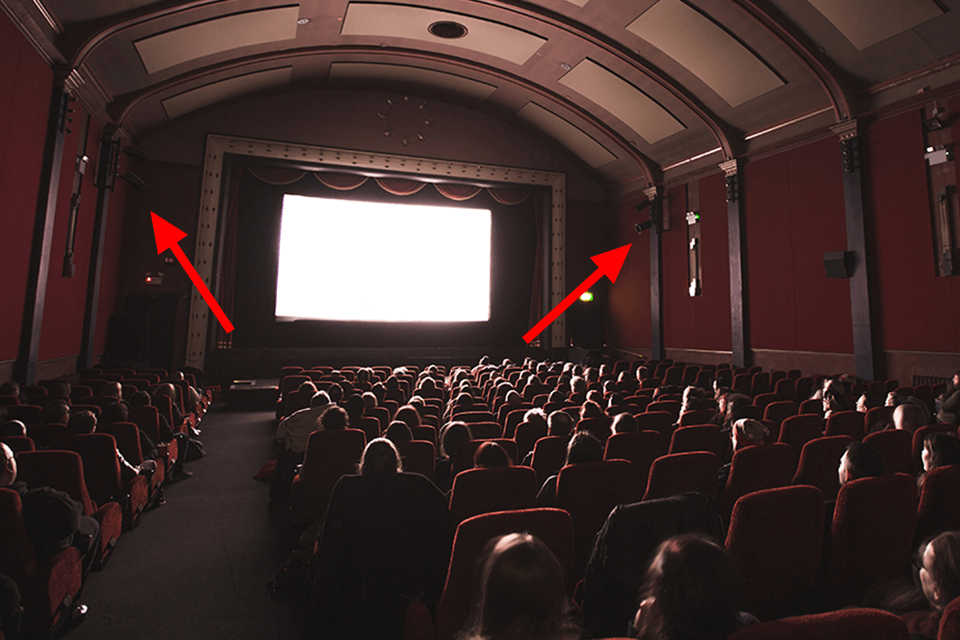
Most theaters strategically position cameras to cover the entire auditorium.
These cameras typically focus on the audience area rather than the screen, helping staff monitor behavior during screenings.
You may not realize it, but high-definition cameras can capture clear images even in dim lighting, making it harder for anyone to get away with recording a movie illegally.
Some theaters even use advanced technology to detect unauthorized recording devices, ensuring a piracy-free environment.
Common Areas And Employee Zones
Cameras are also placed in common areas like lobbies, concession stands, and restrooms.
This placement helps deter theft and monitor crowd behavior, providing a safe experience for everyone.
Employee zones, including ticket booths and staff-only areas, are monitored to ensure staff safety and proper operations.
Have you ever thought about how these cameras might affect your experience at the movies?
Knowing they are watching can change how you act, right?
The next time you visit a theater, keep an eye out for those cameras. You might find yourself more aware of your surroundings than ever before!
Credit: fixthephoto.com
Privacy Concerns For Moviegoers
Movie theaters are places for entertainment and escape. Yet, the presence of cameras raises questions. Do these cameras invade privacy? Many moviegoers wonder if their actions are being recorded. Understanding this issue is vital for a comfortable experience.
Legal Implications
Movie theaters must follow strict laws regarding surveillance. Most states allow cameras in public spaces. However, these cameras cannot record audio. Recording sound without consent is illegal. This protects patrons from unwanted scrutiny.
Theaters often place cameras in common areas. These include lobbies and hallways. They aim to ensure safety and security. Surveillance footage can help solve disputes. It can also assist with incidents that occur on-site.
Patron Awareness Of Being Filmed
Most moviegoers may not realize they are being filmed. Signs are often posted in visible areas. These signs inform patrons about surveillance. Awareness helps manage expectations. It also allows for informed choices about behavior.
Some patrons may feel uneasy. They may worry about being watched during a film. It is essential for theaters to balance safety and privacy. Clear communication can help ease these concerns.
The Deterrence Of Illegal Recording
Many movie theaters install cameras to prevent illegal recording. These cameras help catch anyone attempting to film the screen. Surveillance also ensures safety and order in the auditorium, making movie experiences enjoyable for all.
The deterrence of illegal recording in movie theaters is a critical topic in today’s digital age. With the rise of smartphones and easy access to recording technology, theaters are increasingly vigilant. They employ various strategies to combat piracy, making it essential for moviegoers to understand the consequences of illegal recording and the technology in place to detect unauthorized devices.
Consequences Of Capturing Movies
Recording a movie without permission can lead to serious repercussions. The legal ramifications can include hefty fines and even criminal charges.
Many theaters actively pursue legal action against individuals caught recording films. This not only aims to protect their revenue but also discourages others from attempting the same.
Imagine sitting in a packed auditorium, and suddenly, security approaches you because someone reported suspicious behavior. It’s embarrassing, isn’t it? The potential for public humiliation is a strong deterrent against illegal recording.
Technology To Detect Unauthorized Cameras
Modern movie theaters utilize advanced technology to spot unauthorized recording devices. High-definition cameras equipped with low-light capabilities can monitor the audience effectively, even in dim lighting.
Smart software plays a vital role in this detection. It can identify tiny lights from camera lenses, alerting staff to potential threats. This means that if you think you can sneak in a recording device, you might want to reconsider.
Some theaters even employ visual confirmation techniques. Staff members conduct regular checks during screenings to ensure compliance with anti-piracy measures.
Have you ever noticed the staff walking through the aisles? They’re not just there for assistance; they’re also keeping an eye out for any suspicious activities.
Understanding these deterrents can enhance your movie-watching experience. It’s about respecting the art of filmmaking while ensuring that everyone enjoys the show without distractions.
Audience Etiquette And Surveillance
Movie theaters focus on creating a pleasant environment for all. Audience behavior plays a big role in this. Surveillance helps maintain order and respect among viewers. Understanding cinema policies aids in ensuring everyone enjoys their experience.
Cinema Policies On Intimacy
Cinemas have specific rules about behavior. Intimate actions, like making out, can disturb others. Most theaters encourage discretion. Sitting in the back may help avoid unwanted attention. Remember, not everyone shares the same comfort level.
Some theaters may even ask patrons to stop if it becomes distracting. Respect for fellow viewers is crucial. Always consider how your actions affect those around you.
Enforcement Of Conduct Rules
Theaters monitor behavior closely. Staff may walk through auditoriums during screenings. They check for disturbances or inappropriate actions. Cameras enhance this monitoring process. They help staff respond quickly to any issues.
Surveillance ensures compliance with cinema policies. Patrons caught misbehaving may face consequences. This might include ejection from the theater. Maintaining a respectful atmosphere benefits everyone.
Insurance And Liability Aspects
Movie theaters often install security cameras for various reasons. These cameras help maintain safety and monitor audience behavior. They also provide crucial evidence for insurance claims in case of incidents. Cameras can deter piracy by detecting unauthorized recording during screenings.
When considering the presence of cameras in movie theaters, the aspects of insurance and liability come into play. Many theaters install surveillance systems not just for security, but to protect themselves from potential legal disputes. Understanding how these cameras function in relation to insurance can help you grasp their importance in today’s cinema environment.
Evidence Collection In Disputes
Cameras serve a critical role in evidence collection. If an incident occurs, such as an altercation between patrons, video footage can provide clear evidence of what transpired. This documentation is invaluable in settling disputes and can prevent costly lawsuits.
Imagine a scenario where a patron claims they were injured due to negligence. The theater can quickly review camera footage to verify or dismiss the claim. This not only protects the theater’s reputation but can also save significant financial resources.
Having this evidence can lead to quicker resolutions. It can deter frivolous claims, as individuals know that the truth can be captured on camera.
Impact On Insurance Premiums
The presence of cameras can have a direct impact on insurance premiums for movie theaters. Insurers often view surveillance systems as a risk mitigation strategy. This can lead to lower premiums, making it financially beneficial for theaters to invest in these systems.
When theaters can demonstrate they have taken steps to ensure safety and security, they may qualify for discounts. A well-monitored environment can also reduce theft and vandalism, further lowering insurance costs.
If you’re a movie theater owner, consider how these savings could be redirected to enhance your business. Investing in security not only protects your assets but also creates a safer experience for your customers.
With the dual benefits of liability protection and potential cost savings, the decision to install cameras in movie theaters is a smart one. Have you ever thought about how this technology influences your experience as a moviegoer?
Credit: www.newsgd.com
Future Of Movie Theater Security
The landscape of movie theater security is evolving. New technologies enhance safety without disrupting the audience experience. As theaters adapt, they strive for a balance between protection and privacy. The future looks promising as innovations emerge.
Innovations In Audience Monitoring
Modern movie theaters are using advanced surveillance systems. These systems help staff monitor audience behavior. High-definition cameras capture clear images, even in low light. This ensures safety during screenings.
Some theaters use smart software. This software detects unusual activity. It can identify handheld devices, preventing piracy. Video analytics play a key role in maintaining order.
Theaters are also exploring facial recognition technology. This can help identify troublemakers quickly. These innovations aim to create a safer environment for all guests.
Balancing Safety And Privacy
Movie theaters face a challenge. They must protect guests while respecting their privacy. Many patrons enjoy a sense of freedom while watching films. Security measures should not feel intrusive.
Theaters often inform guests about security cameras. Signs can help raise awareness. Transparency builds trust between theaters and their audiences.
Some theaters limit camera use during screenings. They focus on common areas, like entrances. This approach balances safety with the comfort of moviegoers.
Frequently Asked Questions
Do Movie Theaters Have Night Vision Cameras?
Many movie theaters utilize night vision cameras for security purposes. These cameras help deter piracy and monitor audience behavior. They can capture clear footage in low-light conditions, ensuring effective surveillance during screenings. Overall, night vision cameras enhance safety and security in movie theaters.
Is It Okay To Make Out In A Movie Theater?
Making out in a movie theater is generally acceptable, especially if you’re discreet and not disturbing others. Choose a less crowded spot to avoid drawing attention. Keep the intimacy limited to kissing to respect fellow moviegoers. Always be mindful of your surroundings and the comfort of others.
Are You Being Watched In The Movie Theater?
Yes, most movie theaters have security cameras. They monitor common areas, hallways, and sometimes auditoriums. Staff can also see you from the projection booth. This helps maintain safety and prevent piracy. Always be aware of your surroundings while enjoying the movie.
What Happens If You Get Caught Recording A Movie In The Movie Theater?
Getting caught recording a movie in a theater can lead to immediate removal by staff. Legal action may follow, including fines or criminal charges. Theater security often monitors for such activity, making it risky and discouraged. Respect copyright laws to avoid serious consequences.
Conclusion
Many movie theaters do have cameras. They help keep everyone safe. Cameras monitor audience behavior and prevent piracy. Security staff can respond quickly to any issues. The presence of cameras may deter disruptive actions. Understanding this can enhance your movie experience.
Enjoy your next film, knowing safety measures are in place. Awareness of these cameras can also help you stay mindful of your actions. Enjoy the show, and remember, a peaceful environment benefits all.
As an Amazon Associate, I earn from Qualifying Purchases.