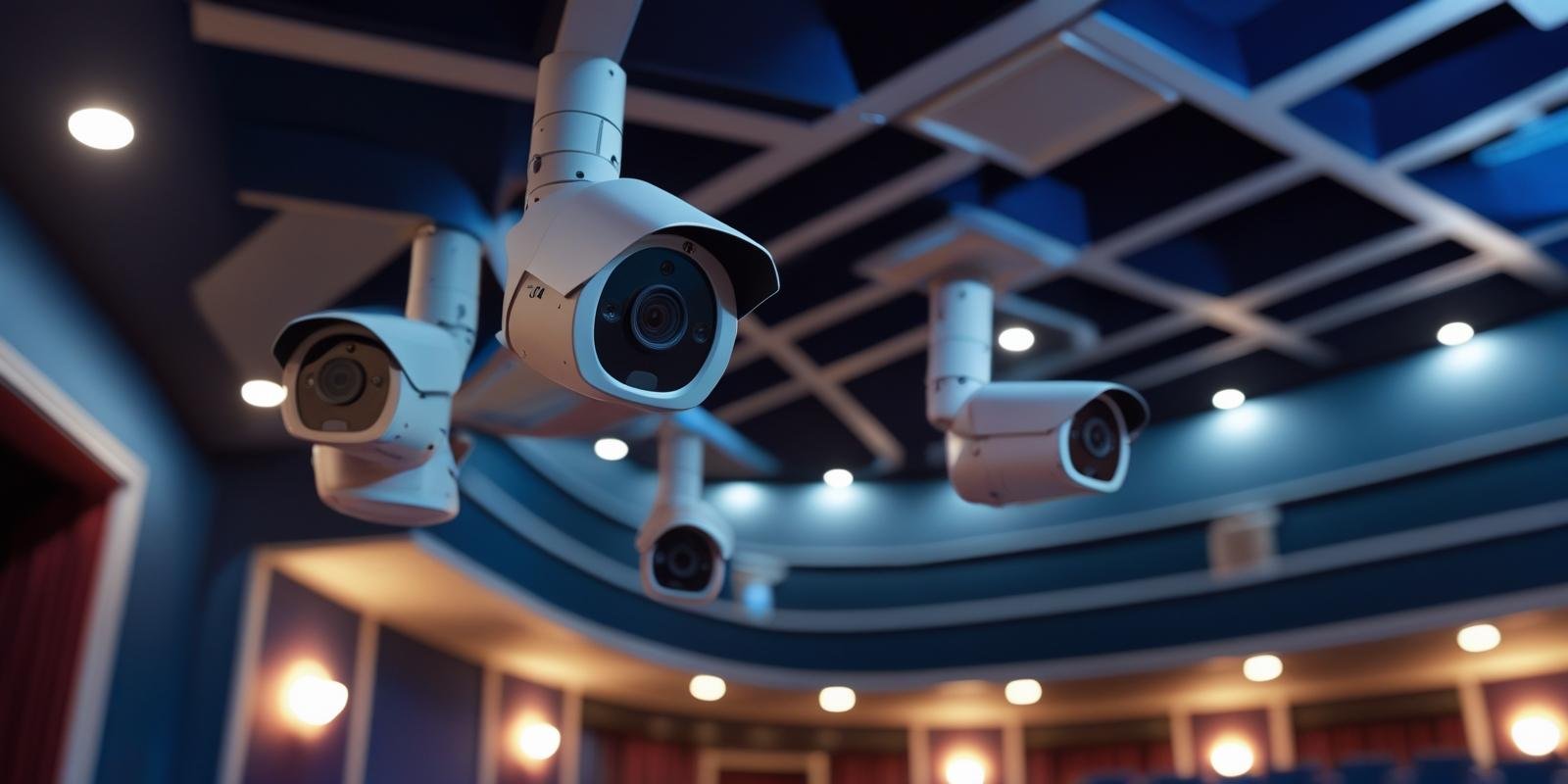
Do movie theaters have cameras inside? Yes, many theaters do install cameras for security purposes.
These cameras help ensure the safety of guests and staff while also protecting the theater’s property. As you settle into your seat for a movie, you might wonder about the unseen eyes watching over you. The presence of cameras in movie theaters raises questions about privacy and security.
Many theaters equip their auditoriums, lobbies, and hallways with surveillance cameras. This practice aims to deter theft, monitor crowd behavior, and enhance safety. Understanding the reasons behind this can help ease any concerns about being watched while enjoying a film. Join us as we explore the role of cameras in theaters and what they mean for your movie-going experience.
Introduction To In-theater Surveillance
Have you ever settled into your seat at the movies, popcorn in hand, and wondered if someone was watching you? It’s a thought that crosses many minds. The reality is, movie theaters do employ surveillance systems, and understanding this can shed light on your movie-going experience.
The Reality Of Cameras In Theaters
Yes, most movie theaters do have cameras installed, but their placement varies. Generally, you’ll find them in common areas like lobbies, hallways, and sometimes even inside auditoriums. These cameras are typically dome or bullet-shaped, blending into the environment.
While some theaters might not have cameras directly in every auditorium, they do monitor key areas for security. This setup ensures safety and enhances the overall experience for moviegoers. So, the next time you’re watching a film, remember that you might not be as alone as you think!
The Purpose Behind Theater Surveillance
The primary purpose of these cameras is safety. They help deter theft and monitor crowd behavior, ensuring that everyone can enjoy their movie without disruptions. Have you ever witnessed a situation that seemed out of hand? Surveillance can help address those moments quickly.
Additionally, cameras can protect against piracy. Recording movies illegally can have severe consequences, and surveillance acts as a deterrent. It’s about creating a safe and enjoyable atmosphere for everyone involved.
Understanding the presence of cameras in theaters helps you make informed choices. Do you feel comfortable knowing that you’re being watched? It’s a question worth pondering as you head to your next screening.
Types Of Cameras Used In Theaters
Movie theaters use various types of cameras for security. These cameras help ensure safety and monitor activities. Understanding the types of cameras can clarify their functions.
Dome And Bullet-shaped Cameras
Dome cameras are common in theaters. They provide a wide-angle view. Their design makes it hard to tell where they point.
Bullet-shaped cameras are also used. They are more noticeable. They often focus on specific areas. Both types serve important security roles.
Night Vision And Ir Capabilities
Some cameras have night vision features. These cameras can see in low light. This is useful for late-night showings.
Infrared (IR) capabilities enhance visibility. They allow monitoring without disturbing moviegoers. This technology helps maintain a safe environment.
Camera Placement Strategies
Understanding camera placement strategies in movie theaters sheds light on how these establishments prioritize safety and security. The strategic positioning of cameras is crucial for both monitoring audience behavior and ensuring the protection of their property. Let’s dive into the common areas where these cameras are often installed, as well as what you can expect inside the auditoriums.
Common Areas And Lobbies
The lobby and common areas of a movie theater are the primary spots for camera installations. Here, you’ll likely find cameras placed at entrances, ticket counters, and concession stands. These locations help staff monitor crowd movement and prevent potential theft.
Have you ever noticed cameras watching you as you purchase snacks? They are usually discreet, blending into the architecture. This not only provides security but also enhances the overall experience by ensuring that any issues can be swiftly addressed.
Besides theft prevention, cameras in these areas help manage crowd control during busy times. They allow staff to ensure that everything runs smoothly, especially during new movie releases when excitement is at its peak. Can you imagine how chaotic it would get without that oversight?
Inside The Auditoriums
Now, let’s talk about what happens inside the auditoriums. Many theaters choose to avoid camera installation in the actual screening rooms to respect viewer privacy. However, some may still place cameras in select auditoriums, typically for security purposes.
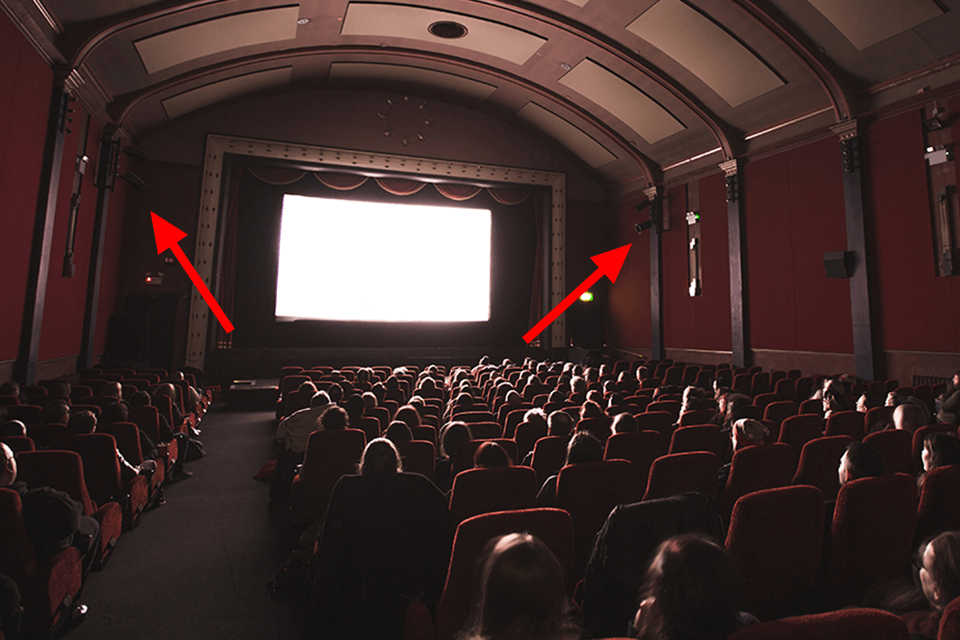
These cameras are often positioned at the back of the room or along the sides, aimed toward the audience. Their presence is primarily to deter disruptive behavior, like excessive talking or recording films illegally. Have you ever seen someone get kicked out? Cameras play a vital role in keeping the environment enjoyable for everyone.
It’s important to note that not all theaters have cameras inside auditoriums. Policies vary widely between chains and locations. Knowing this can change how you feel about your privacy while enjoying a film. Are you comfortable with the idea of being monitored even in a darkened theater?
Legal Aspects Of In-theater Surveillance
The legal aspects of in-theater surveillance can be a complex topic, balancing security needs with individual privacy rights. Movie theaters often install cameras to maintain safety and prevent illegal activities, but this leads to important questions about how these practices align with legal standards. Understanding the implications of surveillance in these spaces is crucial for both theater operators and patrons.
Privacy Concerns
As a moviegoer, you might feel uneasy knowing that cameras could be watching you while you enjoy a film. The thought of being recorded, even in a public space, raises significant privacy concerns. Are you really safe from prying eyes when you’re simply trying to unwind with a good movie?
Many people assume that just because they’re in a theater, their privacy is guaranteed. However, surveillance systems may capture more than just security incidents; they can also record personal interactions. This reality can make you question how much privacy you actually have in public spaces.
Laws Governing Surveillance
Surveillance laws vary by location, but there are general guidelines that theaters must follow. Most jurisdictions require that cameras are used for legitimate security purposes only. This means that theaters need to inform patrons about their surveillance policies, usually through posted notices.
In some regions, recording audio in addition to video is strictly prohibited without consent. This is a critical aspect that theaters must navigate to avoid legal repercussions. Understanding these laws can help you feel more informed about your rights while enjoying a film.
Have you ever noticed a sign indicating surveillance? It’s a small reminder that while you’re there for entertainment, the theater is also focused on security. This balance between safety and privacy continues to be a hot topic in discussions about public surveillance.
Preventing Piracy And Protecting Guests
Movie theaters take security seriously. They install cameras to prevent piracy and ensure safety. The presence of these cameras helps create a secure environment for everyone. Understanding their role is important for both theater operators and moviegoers.
Deterrence Of Illegal Recording
Cameras act as a strong deterrent against illegal recording. Movie piracy harms filmmakers and the industry. Seeing cameras can discourage potential offenders. Most people respect the rules when they know they are being watched.
Theaters want to protect their content. They invest in cameras to monitor audience behavior. This helps catch anyone attempting to record a movie. Legal actions follow against those who break the law.
Ensuring Audience Safety
Safety is a top priority in movie theaters. Cameras help maintain a safe environment for guests. Staff can monitor areas for any unusual behavior. Quick responses to incidents can be made with camera footage.
Cameras also aid in crowd control. They ensure that emergency exits remain clear. This is crucial during busy screenings. Keeping guests safe enhances their movie experience.
Credit: fixthephoto.com
Identifying Surveillance Equipment
Many moviegoers wonder about surveillance in theaters. Do they have cameras? The answer is yes. Most theaters use cameras to ensure safety and security. These devices help monitor audiences and staff. Let’s explore how to identify these cameras.
Tips For Spotting Cameras
Finding cameras in a theater can be tricky. Here are some helpful tips:
- Look for dome or bullet-shaped devices on ceilings.
- Check corners of the room. Cameras are often placed there.
- Observe the lobby and entrance areas. Cameras are common here.
- Notice any small, shiny objects. These might be camera lenses.
Pay attention to staff behavior. They might act differently if cameras are present. Always be aware of your surroundings.
Common Misconceptions
Many people have misunderstandings about theater cameras. Here are a few common ones:
- Not all theaters have cameras in auditoriums.
- Cameras are mainly for security, not for spying on you.
- Camera locations vary by theater chain.
- Footage is not typically used for personal surveillance.
Understanding these points helps clear confusion. Cameras serve a purpose. They ensure safety and security for everyone.
The Debate: Safety Vs. Privacy
The presence of cameras in movie theaters stirs strong feelings. Some people feel safer with surveillance. Others worry about their privacy. This topic raises important questions about how we balance security and personal freedom.
Public Opinion On Theater Cameras
Many moviegoers have mixed feelings about cameras in theaters. Some support cameras for safety reasons. They believe cameras help prevent crime and protect patrons. Others express concern over constant monitoring.
Some fear that cameras invade their personal space. They worry that surveillance affects their enjoyment of the movie experience. Social media has amplified these discussions. Many opinions clash on this topic.
Balancing Security And Civil Liberties
The challenge lies in finding a middle ground. Movie theaters want to ensure safety for everyone. Yet, patrons also deserve their right to privacy. Theater management must consider both sides.
Installing cameras in public areas is common. However, they should not be intrusive. Finding ways to ensure safety without sacrificing privacy is essential. Clear policies can help manage these concerns effectively.
Future Of Movie Theater Surveillance
The future of movie theater surveillance is evolving rapidly. As technology advances, so do the methods used to ensure safety and security in these entertainment spaces. Understanding the trends and changes can help you feel more informed about what goes on behind the scenes while you enjoy your film.
Technological Advancements
Modern surveillance systems are becoming smarter and more efficient. High-definition cameras and advanced motion detection technology can monitor crowds without intrusive methods. Some theaters even use facial recognition software, raising questions about privacy and consent.
Imagine sitting in a theater, and the security system can identify suspicious behavior in real-time. This could lead to quicker responses to potential issues. While this might enhance safety, it also invites a discussion about how much surveillance is too much.
Evolving Policies And Practices
As theaters adopt new technologies, their policies must adapt. Many theaters now have clear guidelines on how surveillance footage is used. This transparency helps build trust with patrons who may feel uneasy about being watched.
You might wonder how these policies affect your movie experience. For instance, some theaters may limit recording devices, deterring piracy while respecting your privacy. Balancing safety and personal space is crucial as surveillance becomes more prevalent.
Engaging with these changes can help you make informed choices when visiting theaters. Are you comfortable with the level of surveillance in your local cinema? Your feedback can influence how theaters handle security and privacy in the future.
Credit: www.tiktok.com
Frequently Asked Questions
Do Movie Theaters Have Cameras Inside?
Yes, most movie theaters have security cameras installed. These cameras monitor auditoriums, hallways, and lobby areas to enhance safety and prevent theft. Some theaters may not have cameras in all auditoriums, but they are generally present in common areas.
Where Are The Cameras Located In The Movie Theater?
Cameras in movie theaters are typically located in auditoriums, hallways, and lobby areas. They monitor crowd movements and enhance security. Look for dome or bullet-shaped devices, especially near entrances and common areas. These cameras help ensure a safe viewing experience for all patrons.
Are You Being Watched In A Movie Theater?
Yes, you are likely being watched in a movie theater. Most theaters have security cameras installed in auditoriums, hallways, and lobbies. These cameras help enhance safety, monitor crowd behavior, and deter criminal activities. Always be mindful of your surroundings while enjoying a film.
What Happens If You Get Caught Recording A Movie In The Movie Theater?
Getting caught recording a movie in a theater can lead to serious consequences. You may face fines, removal from the premises, or even legal charges. The theater staff may confiscate your recording device and report the incident to law enforcement.
Always respect copyright laws when watching films.
Conclusion
Movie theaters do have cameras for safety and security. These cameras help protect patrons and staff. They monitor common areas like lobbies and hallways. Most people do not notice them while enjoying films. Understanding their presence can ease concerns about privacy.
Enjoy your movie experience, knowing security is a priority. Always be respectful of the rules and fellow moviegoers. Your safety matters, and cameras play a key role in that. Stay informed and enjoy your time at the theater.
As an Amazon Associate, I earn from Qualifying Purchases.