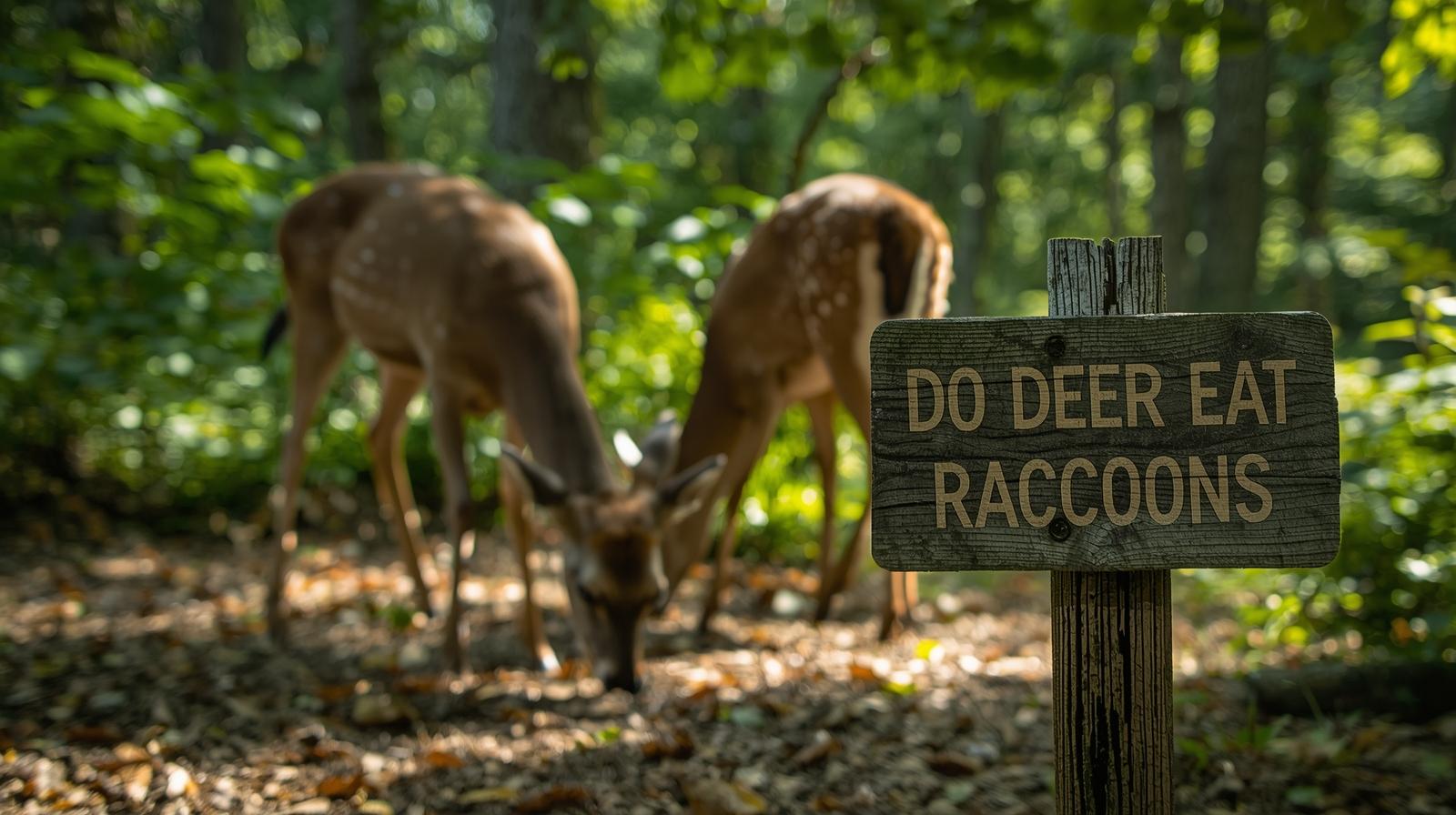
Have you ever wondered if deer ever eat raccoons? It’s a surprising question, but one that makes you think about the wild interactions happening right outside your door or during a hike.
You might picture deer as gentle herbivores, but nature is full of unexpected behaviors and relationships. Understanding whether deer prey on raccoons can change how you see these animals and affect how you manage your backyard wildlife or hunting grounds.
Keep reading, because uncovering the truth about deer and raccoons will give you a fresh perspective on wildlife—and maybe even help you protect your property better.
Credit: feedbandit.com
Deer Diet Basics
Deer are herbivores. They mostly eat plants, leaves, and fruits. Their diet changes with the seasons and location.
They rarely eat anything outside plants. Deer need a lot of fiber to digest food well. Their diet helps them grow strong and stay healthy.
What Do Deer Usually Eat?
Deer eat grasses, leaves, twigs, and fruits. They also eat nuts like acorns. Young plants and flowers are favorite foods in spring.
In fall, deer eat more nuts and fruits to store energy for winter. In winter, they eat bark and twigs when other food is scarce.
Do Deer Eat Meat Or Animals?
Deer do not hunt or eat animals. They lack the teeth and digestive system for meat. Their diet is fully plant-based.
Sometimes deer might chew on bones or antlers for minerals. But they do not eat raccoons or any other animals.
Why Deer Avoid Eating Raccoons
Raccoons are animals, not food for deer. Deer avoid meat because it is hard to digest. Eating animals can cause sickness in deer.
Deer focus on safe, easy-to-digest plants. They do not see raccoons as prey or food.
Raccoon Feeding Habits
Raccoons eat many types of food. They are opportunistic feeders. This means they eat whatever is easy to find. Their diet changes with the seasons and availability.
Raccoons eat fruits, nuts, insects, small animals, and eggs. They also search trash cans and gardens for food. This flexible diet helps them survive in many places.
Natural Diet Of Raccoons
Raccoons mostly eat plants and small animals. They enjoy fruits like berries and apples. They also eat nuts, seeds, and corn. Insects, frogs, and fish are part of their diet. Eggs and small birds can also be prey.
Raccoons And Protein Sources
Raccoons need protein for energy and growth. They catch insects, small mammals, and birds. Sometimes, they eat fish or frogs from streams. Young raccoons depend on protein for development. Adults also hunt small prey to stay healthy.
Raccoons’ Interaction With Human Food
Raccoons often raid human garbage for food. They eat leftovers, pet food, and crops. This behavior helps them survive in cities and towns. It can cause problems for homeowners. Raccoons can damage property while searching for food.
Natural Predators Of Raccoons
Raccoons face many threats in the wild. Predators help control their population. Understanding these natural enemies gives insight into raccoon behavior and safety.
Raccoons are clever and adaptable. They avoid many dangers but still fall prey to larger animals. Each predator targets raccoons differently, depending on size and age.
Cougars And Bobcats
Cougars and bobcats are skilled hunters. They stalk raccoons quietly before attacking. These big cats use stealth to catch raccoons off guard. Raccoons rarely escape once spotted by them.
Coyotes
Coyotes are common raccoon predators. They hunt in packs or alone. Coyotes rely on speed and endurance to chase raccoons. Young raccoons are especially vulnerable to coyote attacks.
Large Birds Of Prey
Owls and eagles hunt young raccoons. These birds swoop down silently at night or dawn. They grab small raccoons with strong talons. Adult raccoons are usually too big for birds to catch.
Domestic Dogs
Domestic dogs sometimes attack raccoons. Dogs may see raccoons as threats or prey. This risk increases near human homes. Raccoons often avoid areas with many dogs.
Deer And Raccoon Interaction
Deer and raccoons share many habitats across North America. They often cross paths near forests, fields, and water sources. Despite living close, their behaviors and diets differ greatly. Deer are herbivores, feeding mostly on plants. Raccoons are omnivores, eating a wide variety of foods including small animals.
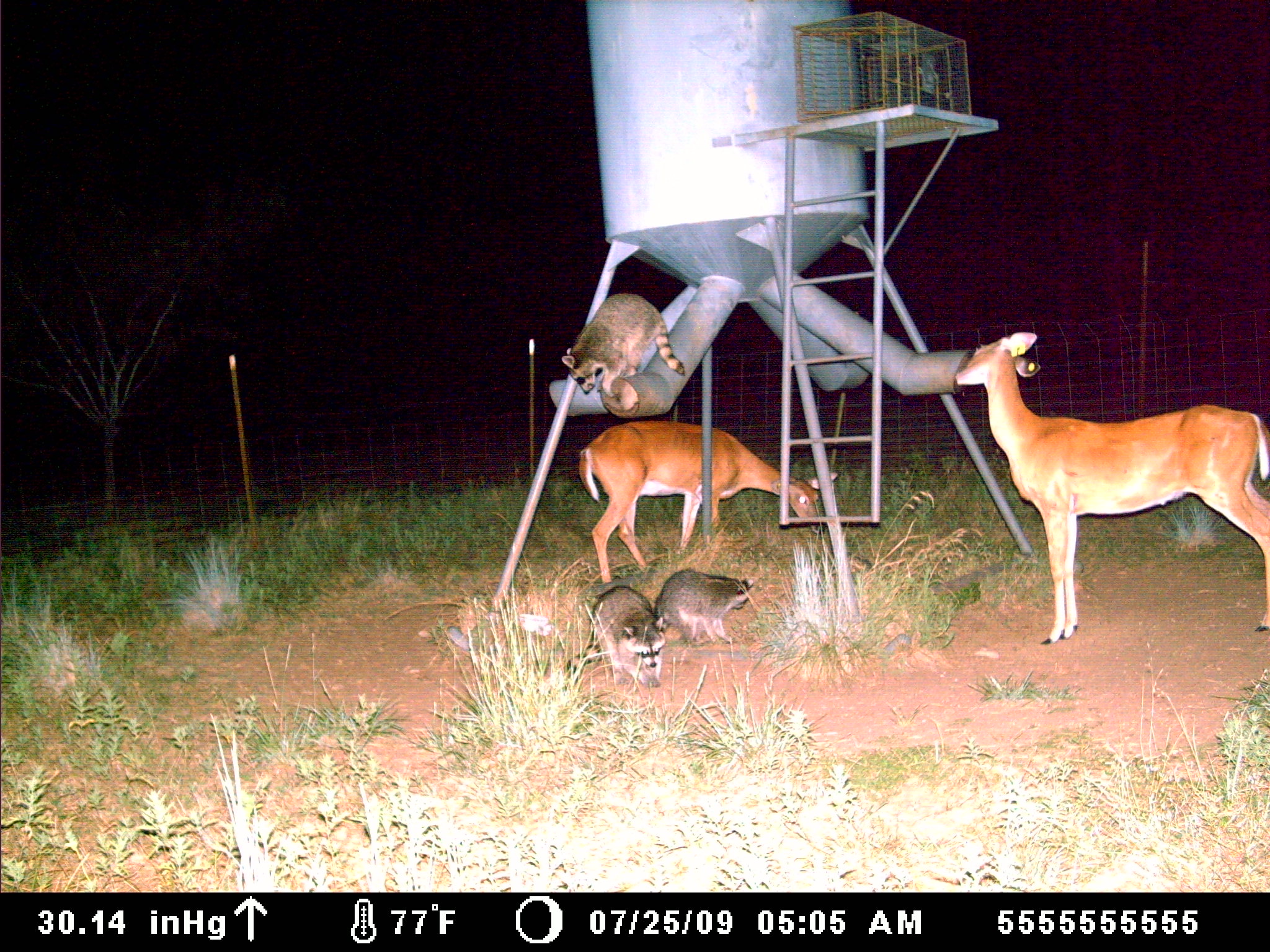
Understanding how these two animals interact helps clarify if deer ever eat raccoons. Their relationship is mostly peaceful. They do not compete directly for food. Raccoons may visit deer feeders, but deer usually ignore them. Let’s explore their interaction in detail.
Do Deer And Raccoons Share Food Sources?
Deer mainly eat leaves, twigs, and grasses. Raccoons eat fruits, nuts, insects, and small animals. Sometimes raccoons raid deer feeders for corn or grain. Deer tolerate raccoons near feeders but do not share food actively. Their diets rarely overlap enough to cause conflict.
Do Deer Show Aggression Toward Raccoons?
Deer are gentle animals and avoid fighting. They may run away if raccoons get too close. Raccoons are also wary of large animals. Both tend to ignore each other rather than fight. Aggression between deer and raccoons is very rare.
Deer do not eat raccoons. Their digestive systems are designed for plants. Deer lack the instincts and teeth to hunt animals. Raccoons are much faster and more agile than deer. Predation by deer on raccoons does not occur in nature.
Can Deer Eat Raccoons?
Deer and raccoons often share the same habitats, but their diets and behaviors differ greatly. Deer are herbivores, feeding mostly on plants, leaves, and fruits. Raccoons are omnivores, eating a mix of plants, insects, and small animals. This raises the question: can deer eat raccoons?
The simple answer is no. Deer do not eat raccoons. Their digestive systems are designed to process plant material, not meat. Deer lack the instincts and physical traits needed to hunt or kill animals like raccoons.
Raccoons, on the other hand, are more opportunistic feeders. They may scavenge or hunt small prey but are not typical food for deer. These animals coexist but do not interact as predator and prey in this way.
Deer Diet And Eating Habits
Deer mainly eat leaves, twigs, fruits, and nuts. Their stomachs are built to digest fibrous plant matter. They graze and browse throughout the day. Meat is not part of their diet or nutritional needs.
Raccoon Behavior And Diet
Raccoons eat a variety of foods, including fruits, insects, eggs, and small animals. They are nocturnal and good climbers. Their diet changes based on availability and season. Raccoons do not fear deer and usually avoid direct contact.
Raccoons face threats from animals like coyotes, bobcats, and owls. These predators hunt raccoons for food. Deer are not included in raccoon predators. Deer do not show any hunting behavior towards raccoons.

Credit: www.youtube.com
Raccoon Impact On Deer Feeders
Raccoons often visit deer feeders, causing several issues for deer hunters and wildlife enthusiasts. These nocturnal animals search for easy food sources. Deer feeders provide a convenient spot for raccoons to find snacks. Their presence can disrupt the feeding habits of deer and affect the overall feeder setup.
Raccoons are clever and strong. They can easily open feeder lids or knock over feeders. This behavior wastes feed and attracts more wildlife, creating competition for deer.
Raccoon Damage To Feeders
Raccoons use their strong paws to open or tip over feeders. This action causes costly damage. Feeders might break or need frequent repairs. Damaged feeders also waste valuable deer feed. This leads to higher costs for hunters and landowners.
Competition For Deer Food
Raccoons eat corn and other deer feed. Their feeding reduces the amount available for deer. This competition can change deer feeding patterns. Deer may avoid feeders with heavy raccoon activity. As a result, hunters may see fewer deer near feeders.
Attracting Other Wildlife
Raccoons leave feed scattered on the ground. This mess attracts other animals like rodents and birds. More animals create noise and disturbance. Deer prefer quiet feeding spots. Increased wildlife presence can scare deer away from feeders.
Health Risks And Disease Spread
Raccoons can carry diseases like rabies and parasites. Their contact with feed can contaminate it. Deer consuming contaminated feed risk illness. This situation can harm local deer populations. Maintaining clean feeders helps protect deer health.
Risks Of Raccoons In Residential Areas
Raccoons in residential areas pose several risks to homeowners and pets. These animals are curious and clever. They can cause damage and spread diseases. Their presence often leads to safety and health concerns.
Understanding these risks helps residents protect their homes and families. Knowing what raccoons do in neighborhoods guides better prevention.
Property Damage Caused By Raccoons
Raccoons often tear up yards searching for food. They dig through gardens and lawns, ruining plants. Attics and roofs suffer damage when raccoons try to enter. They can rip shingles and insulation, causing costly repairs.
Health Risks From Raccoon-borne Diseases
Raccoons carry diseases like rabies and roundworm. These illnesses can spread to humans and pets. Contact with raccoon waste or bites is dangerous. Pets may get sick after encounters with raccoons.
Nuisance Behavior And Noise
Raccoons are active at night, making loud noises. Their scratching and chattering disturb residents’ sleep. They often raid trash cans, scattering garbage around. This mess attracts more pests and creates unsanitary conditions.
Threat To Pets And Small Animals
Raccoons can attack small pets like cats and rabbits. They are strong and may fight to defend food or territory. Young pets left outside are especially vulnerable. It is important to supervise pets in areas with raccoons.
Managing Raccoons Humanely
Raccoons can cause problems in yards and gardens. They may eat food meant for deer or damage property. Managing raccoons without harm helps keep wildlife and people safe.
Humane methods avoid injury to raccoons. They also reduce the chance of raccoons returning. Using safe and kind ways supports a balanced environment.
Secure Food Sources
Keep deer feeders clean and sealed. Use raccoon-proof feeders if possible. Store pet food and garbage in strong containers. This limits raccoons’ access to easy meals.
Use Natural Deterrents
Bright lights and motion-activated sprinklers scare raccoons away. Strong smells like peppermint oil or ammonia can also deter them. These options do not harm animals.
Block Entry Points
Check your home for gaps or holes. Seal openings in attics, chimneys, and crawl spaces. This prevents raccoons from nesting indoors or causing damage.
Call Wildlife Professionals
Experts can help remove raccoons safely. They use traps that do not hurt animals. Professionals know how to handle raccoons without stress or harm.
Protecting Deer Feeders From Raccoons
Protecting deer feeders from raccoons is essential to maintain a steady food supply for deer. Raccoons often raid feeders, leaving less food for deer and causing damage. Taking steps to guard feeders helps ensure deer get the nutrition they need.
Raccoons are clever and strong. They can climb poles and open lids, making feeders vulnerable. Simple prevention methods can stop raccoons from stealing deer feed and reduce damage.
Use Raccoon-proof Feeders
Choose feeders designed to keep raccoons out. These feeders have locking lids and smooth surfaces. They prevent raccoons from grabbing or climbing the feeder. Investing in raccoon-proof designs saves time and feed in the long run.
Install Feeders On Smooth Poles
Mount feeders on metal or PVC poles. Smooth poles stop raccoons from climbing up. Avoid wood poles as raccoons can easily grip them. Adding a baffle below the feeder blocks raccoon access.
Place Feeders Away From Trees
Set feeders at least 10 feet from trees or structures. Raccoons use branches to jump onto feeders. Clear surrounding branches to limit their reach. This keeps feeders safer from raccoon raids.
Remove Feeders At Night
Raccoons are most active at night. Taking feeders down after dark reduces feed loss. Bring feeders back up in the morning for deer. This simple step helps control raccoon problems effectively.
Keep The Area Clean
Clean up spilled feed regularly. Leftover corn attracts raccoons and other pests. A tidy feeding area discourages raccoons from sticking around. Use a tarp or mat to catch spilled feed for easy cleanup.

Credit: www.mprnews.org
Wildlife Balance And Coexistence
Wildlife balance is vital for healthy ecosystems. Each animal plays a role in nature’s web. Understanding how different species interact helps protect the environment. Deer and raccoons share habitats but have different behaviors and diets. These differences support coexistence and maintain balance in the wild.
Deer’s Role In The Ecosystem
Deer mainly eat plants, leaves, and grass. They help control plant growth, which keeps forests healthy. Their grazing creates space for new plants and supports other animals. Deer do not hunt other animals or raccoons. Instead, they focus on vegetation, which helps maintain plant diversity.
Raccoon Behavior And Diet
Raccoons are omnivores. They eat fruits, insects, small animals, and sometimes eggs. Raccoons are curious and adapt well to different environments. They often search for food at night. Their diet varies depending on food availability. Raccoons do not compete with deer for food because they eat different things.
Predators And Natural Checks
Predators like coyotes, bobcats, and owls control raccoon populations. These predators keep raccoon numbers balanced. Deer have few natural predators in some areas but are prey for large carnivores. This predator-prey relationship helps keep animal populations healthy. It prevents any one species from growing too large and disrupting balance.
Benefits Of Coexistence
Deer and raccoons contribute to biodiversity. Their different habits support various parts of the ecosystem. Coexistence allows forests and fields to thrive. Healthy ecosystems provide clean air, water, and soil. Wildlife balance ensures nature continues to support many life forms, including humans.
Frequently Asked Questions
Are Deer Bothered By Raccoons?
Deer are generally not bothered by raccoons. Raccoons focus on scavenging and rarely disturb deer. They coexist without significant conflict.
What Is The Main Predator Of Raccoons?
Main predators of raccoons include cougars, bobcats, coyotes, and domestic dogs. Large owls and eagles prey on young raccoons.
Should I Be Concerned If I See A Raccoon In My Yard?
Seeing a raccoon in your yard can be concerning. They may damage property, spread diseases, and create noise. Secure trash and remove food sources to prevent visits. Monitor for signs of infestation and consider professional help if problems persist.
What Animal Are Raccoons Afraid Of?
Raccoons fear animals like coyotes, bobcats, cougars, and large owls. These predators keep raccoons cautious and avoid confrontations.
Do Deer Eat Raccoons In The Wild?
No, deer are herbivores and do not eat raccoons or any meat.
Can Deer And Raccoons Share The Same Habitat?
Yes, deer and raccoons often live in the same forests and woodlands.
Do Raccoons Pose A Threat To Deer?
Raccoons do not harm deer; they mostly scavenge and eat small animals.
Are Raccoons Predators Of Young Deer?
No, raccoons do not hunt or attack fawns or adult deer.
Why Do Raccoons Visit Deer Feeders?
Raccoons are attracted to corn and feed meant for deer, not the deer themselves.
Can Deer And Raccoons Compete For Food?
No, their diets are different; deer eat plants, raccoons eat varied foods.
Conclusion
Deer do not eat raccoons; their diets differ greatly. Deer mainly eat plants, leaves, and fruits. Raccoons are omnivores and may eat small animals or garbage. These animals usually avoid each other in the wild. Understanding their behavior helps protect your garden and property.
Keep raccoons away from deer feeders to prevent conflicts. Both animals play important roles in nature’s balance. Watching wildlife safely can teach us more about their habits. Stay informed to manage your outdoor space wisely and peacefully.
As an Amazon Associate, I earn from Qualifying Purchases.