Do you love seeing deer? If so, you are not alone!
Many people enjoy watching these beautiful animals. But do you know when is the best time to see them? Let’s find out together!

Do you love seeing deer? If so, you are not alone!
Many people enjoy watching these beautiful animals. But do you know when is the best time to see them? Let’s find out together!
Before we delve into the best times to see deer, it’s important to understand their behavior a bit.
Deer are crepuscular. This means they are most active during the early morning and evening hours. The table below shows key periods when deer are active:
| Time of Day | Deer Activity Level |
|---|---|
| Early Morning | High |
| Midday | Low |
| Late Evening | High |
| Night | Varies |
The time of year can also affect when deer can be seen. Let’s talk about the seasons:
Weather plays a big role too. Here are some tips:
Want some expert advice? Here you go:
Now, you have the scoop on when to see deer.
Each time of day and year has something special.
Whether it’s a mother with her fawn in spring or a big buck during the fall rut, there’s always a perfect moment to watch these gentle creatures go about their day.
So grab your gear, practice patience, and head outdoors for an amazing deer watching experience!
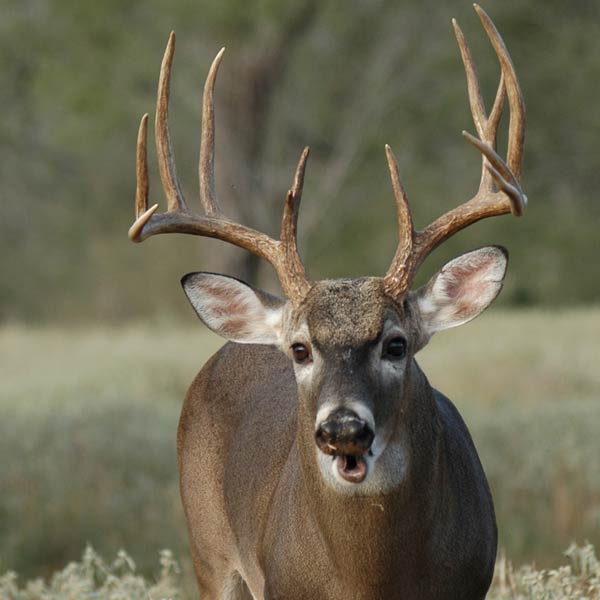
Credit: www.northamericanwhitetail.com
Deer are crepuscular, meaning they are most active during dawn and dusk periods, which provide the optimal time for sightings.
Deer typically inhabit forest edges, meadows, and areas with dense brush, often near water sources, offering ideal visibility for viewers.
The best seasons for deer spotting are autumn during the mating season and spring when new fawns are born and vegetation is sparse.
Yes, deer movement can be influenced by weather conditions; they are more active on cloudy days and less so in heavy rain or high winds.
Peak deer sightings often occur in the fall, particularly during October and November, which coincides with the rutting (mating) season.
Utilizing stealth, wearing camouflage, minimizing scent, and understanding deer behavior can significantly enhance deer spotting opportunities.
Certain moon phases, like the full moon, can increase night-time visibility, affecting the nocturnal activity patterns of deer.
Absolutely, the time of year greatly affects deer behavior – mating season prompts more movement, while in winter, they tend to conserve energy.
Spotting deer is a fun and relaxing outdoor activity that anyone can enjoy.
Remember that the best time to see deer includes early mornings and late evenings.
Also, consider the season and the weather when planning your outing.
Be respectful of nature and have a great time observing these magnificent animals!