
Deer shed their antlers primarily in late winter and early spring. The exact timing can vary based on several factors, such as species and location.
Understanding when deer shed their antlers is important for hunters and wildlife enthusiasts. Antler shedding typically occurs between late December and April. This process is natural and signals the end of the breeding season. During this time, bucks lose their antlers due to hormonal changes.
The timing can differ among deer species. For instance, mule deer might shed earlier than elk. Knowing these patterns helps in observing deer behavior and planning activities like hunting or photography. Let’s explore the different factors that affect antler shedding in deer.
The Seasonal Phenomenon Of Antler Shedding
The seasonal phenomenon of antler shedding is a fascinating aspect of deer biology that many outdoor enthusiasts find intriguing. This natural process not only marks the end of a deer’s breeding season but also signals a time for regeneration. As a hunter and wildlife observer, I’ve learned that understanding when deer shed their antlers can enhance your outdoor experience, whether you’re scouting for game or simply enjoying nature.
Timing Across Species
Different species of deer shed their antlers at varying times. Typically, whitetail bucks lose their antlers from late December through March. In contrast, mule deer often shed their antlers between January and March.
Elk, which are larger relatives of deer, usually follow suit, shedding from March to April. Knowing these timelines can help you plan your outdoor excursions. Have you ever wondered how these timings affect your local deer populations?
Geographical Variations
Geographical factors significantly influence antler shedding. In northern regions, colder climates lead to earlier shedding, while southern deer may hold onto their antlers longer due to milder conditions.
For instance, in Texas, you might find that bucks start dropping their antlers as late as April. If you’re in a different region, tracking local deer behavior can be enlightening. Have you noticed differences in shedding times in your area?
By observing these patterns, you can better understand your local wildlife and adapt your outdoor activities accordingly. Whether you’re hunting or simply enjoying nature, this knowledge adds depth to your experiences.
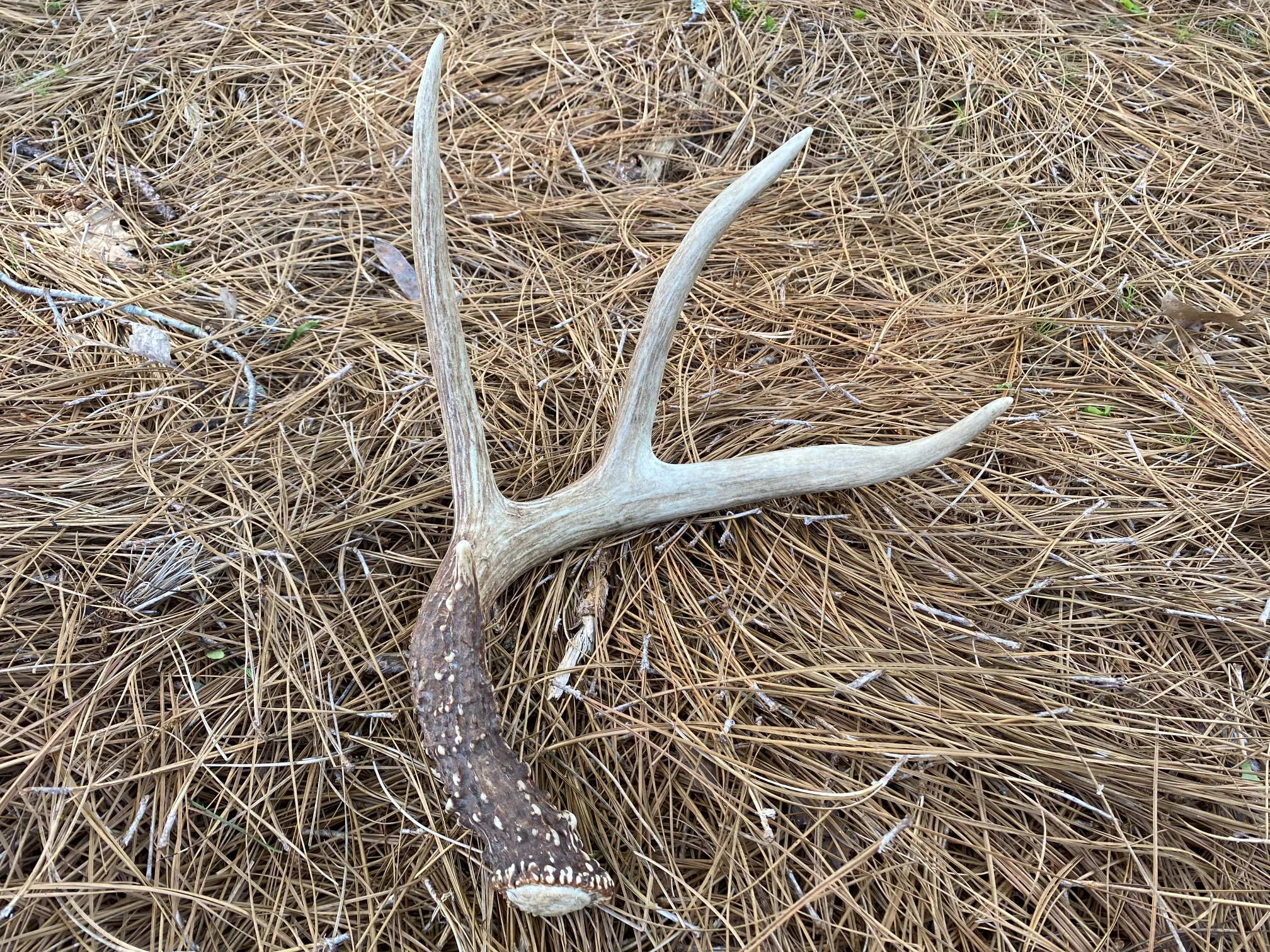
Credit: www.aces.edu
Biological Triggers For Antler Shedding
Deer typically shed their antlers in late winter to early spring. This process usually occurs between late December and April. Factors like species, location, and overall health influence the exact timing of antler shedding.
Antler shedding is a fascinating process that reveals much about a deer’s biology. Understanding the biological triggers for this natural occurrence can deepen your appreciation for these majestic creatures. Two main factors play a crucial role in this process: hormones and photoperiod. Let’s dive into how each of these elements influences when and why deer shed their antlers.Role Of Hormones
Hormones are the primary drivers behind antler shedding in deer. As winter progresses, testosterone levels in male deer begin to drop significantly.This decline is essential for triggering the shedding process. When testosterone levels decrease, the connection between the antlers and the skull weakens, leading to the eventual shedding.You might notice that deer become more reclusive during this time. This behavior is partly due to hormonal changes affecting their energy levels and social interactions. Have you ever spotted a buck acting differently as the seasons change?Photoperiod Influence
Photoperiod, or the length of daylight, also plays a vital role in antler shedding. As days grow shorter in late fall and winter, the decrease in light signals the deer’s body to prepare for shedding.This natural response is fascinating. It’s as if the deer are in tune with the environment around them.In many regions, the shedding typically occurs between late December and April, closely aligning with the changing light conditions. Have you ever considered how something as simple as the length of daylight can impact wildlife behavior?Understanding these biological triggers not only enhances your knowledge of deer but also enriches your outdoor experiences. The next time you’re in the woods, take a moment to reflect on the intricate connections between hormones, light, and the natural world around you.Health And Nutrition Factors
Deer shed their antlers primarily in late winter and early spring. This process usually occurs from late December through April. Various factors, such as species, location, and health, can influence the exact timing of antler shedding.
Understanding the health and nutrition factors that influence when deer shed their antlers is crucial for wildlife enthusiasts and hunters alike. Antler shedding is not just a seasonal occurrence; it is deeply connected to the overall well-being of the deer. By examining the impact of diet and the effects of stress and illness, you can gain valuable insights into this fascinating natural process.Impact Of Diet
The diet of deer plays a significant role in their antler development and shedding cycle. A balanced diet rich in nutrients helps deer grow strong antlers.– Protein: Essential for antler growth, protein-rich foods like alfalfa and clover support healthy development. – Minerals: Calcium and phosphorus are vital for bone growth and strength. A deficiency can lead to weakened antlers that may shed prematurely.– Vitamins: Vitamins A and D contribute to overall health, affecting the timing of antler shedding.Have you ever noticed how a deer’s surroundings can affect its diet? Poor forage availability due to drought or overgrazing can lead to malnourished deer. This, in turn, can cause irregular shedding patterns.Stress And Illness Effects
Stress is another critical factor that can influence when deer shed their antlers. Environmental stressors like harsh winters or habitat loss can lead to increased cortisol levels, disrupting the natural shedding cycle.– Illness: Diseases such as Chronic Wasting Disease can weaken deer, making them more susceptible to stress and affecting their ability to shed antlers on time.– Predation Pressure: High levels of predation stress can cause deer to prioritize survival over growth, impacting their antler cycle.In my experience, observing deer during stressful conditions can be eye-opening. A sudden change in their environment, like the noise of nearby construction, can lead to erratic shedding patterns.Have you ever considered how a deer’s mental state can impact its physical health? Recognizing the connection between stress and nutrition can help you better understand deer behavior in your area.By paying attention to these health and nutrition factors, you can enhance your knowledge about deer and their antler shedding process. Understanding their needs can also inform better management practices for their habitats.
Credit: mossyoakgamekeeper.com
Behavioral Aspects Of Shedding
Deer typically shed their antlers between late December and April. The exact timing varies by species, location, and health. Understanding these behavioral patterns helps in observing deer during this natural process.
Understanding the behavioral aspects of when deer shed their antlers reveals a fascinating cycle influenced by dominance, mating, and preparation for new growth. This process is not just a biological phenomenon; it reflects the dynamics of deer social structures and their natural instincts.Dominance And Mating
During the rut, male deer engage in fierce battles for dominance. Their antlers play a crucial role in establishing hierarchy and attracting mates.As winter approaches and the mating season ends, the energy demands for maintaining large antlers become less practical. Shedding these antlers allows bucks to conserve energy and direct resources toward survival.You might notice how some bucks, after shedding, seem to exhibit a change in behavior. They become less aggressive and more focused on foraging. This behavioral shift indicates their acceptance of the new season and their readiness to heal and grow stronger.Preparation For New Growth
Once antlers are shed, the process of new growth begins almost immediately. The body starts redirecting nutrients to the areas where antlers will regrow, indicating that preparation is key.You may find it interesting that this regrowth is influenced by factors like nutrition and overall health. Bucks with access to high-quality forage tend to grow larger and healthier antlers the following season.This cycle of shedding and regrowth emphasizes the resilience of deer. They adapt to their surroundings, showcasing how nature balances energy expenditure with the need for survival.Have you ever observed deer during this transition? Noticing these behavioral changes can deepen your understanding of their life cycle and enhance your appreciation for wildlife.Tracking The Shed: When To Search
Finding deer antlers can be exciting. Knowing the right time to search is key. Antler shedding happens in late winter and early spring. Each region may have different timelines. Understanding these patterns helps you plan your search.
Prime Shed Hunting Months
The best months for shed hunting are February through April. Bucks typically shed their antlers during this period. In February, many deer begin to drop. By March, sheds are more common. April often sees the last of the antlers on the ground.
Weather affects shedding times too. Warmer temperatures can speed up the process. Cold snaps may delay it. Always check local conditions for better timing.
Signs Of Fresh Sheds
Look for signs that indicate fresh sheds. Tracks or trails can lead you to areas where deer move. Fresh droppings also suggest deer activity nearby. Look for areas with sparse vegetation; sheds stand out better there.
Pay attention to the ground. Freshly shed antlers may be partially buried in leaves or snow. Scanning the landscape carefully increases your chances. Keep an eye out for anything that stands out.

Credit: extension.msstate.edu
Habitats And Hotspots For Shed Hunting
Deer typically shed their antlers between late December and April. The exact timing can differ based on species and location. Ideal habitats for finding these sheds include areas with good food sources and shelter, making the search more rewarding during spring.
Finding shed antlers can be an exhilarating adventure. Knowing where to look increases your chances significantly. Certain habitats and hotspots are more likely to yield successful finds.Food Sources And Bedding Areas
Deer shed their antlers after the winter season, often in areas where food is abundant. Look for locations rich in natural forage, such as:- Fields with clover or alfalfa
- Fruit orchards
- Areas with ample acorns
Landscape Features To Consider
Certain landscape features can guide you to the best shed hunting spots. Look for:- Elevated ridges
- Water sources
- Terrain transitions, like edges of fields and woodlands
Legal And Ethical Considerations
Understanding the timing of antler shedding in deer involves both legal and ethical aspects. Many regions have specific laws about collecting shed antlers. Respecting wildlife and their habitats is crucial during this natural process, ensuring that animals remain undisturbed and healthy.
When considering the timing and process of deer shedding their antlers, it’s crucial to also reflect on the legal and ethical aspects of collecting these natural treasures. Understanding the regulations in your area can ensure that your shed hunting experience is both enjoyable and responsible. Let’s dive into the regulations and the environmental impact of shed collection.Regulations On Shed Collection
Before you set out to search for shed antlers, check the local laws in your state or region. Many areas have specific regulations regarding when and where you can collect sheds.– Some states prohibit shed hunting during certain times to protect wildlife during vulnerable periods. – Others may require permits or restrict collection in certain protected areas.Always stay informed. Ignoring these regulations can lead to fines or other legal consequences. If you’re unsure about the rules, contacting your local wildlife agency is a smart move.Environmental Impact Awareness
Shed hunting can seem harmless, but it’s essential to be aware of its potential environmental impacts. Over-collecting in certain areas can disturb local wildlife and disrupt their natural behaviors.Consider how your actions might affect the ecosystem.– Are you trampling sensitive vegetation while searching for sheds? – Could your presence stress animals that are already facing challenges due to weather or food scarcity?You might remember a time when you stumbled upon a beautiful set of antlers only to notice the surrounding area was damaged from foot traffic. This experience highlights the importance of hunting sheds responsibly.By being mindful of your surroundings, you not only protect the environment but also enhance your own experience. Respecting nature ensures that future generations can enjoy the thrill of shed hunting too.What steps will you take to ensure your shed hunting is both legal and environmentally conscious?The Significance Of Shed Antlers
Shed antlers hold great importance in nature and human culture. They serve various roles in the ecosystem and provide valuable resources for people. Understanding these aspects helps appreciate their significance beyond mere decoration.
Ecological Role
When deer shed their antlers, it contributes to the ecosystem. The antlers decompose over time, enriching the soil. This process supports plant growth and benefits other wildlife. Animals like rodents and insects often use shed antlers as shelter or food. Predators may also use the area where antlers are found to hunt.
Antlers also serve as natural markers in the deer population. They help with territory disputes among males. By shedding antlers, deer signal to others about their health and readiness for mating. This natural cycle helps maintain balance in wildlife populations.
Human Uses And Crafts
Shed antlers have many uses in human culture. People collect them for various crafts and decorations. Artists create beautiful pieces from antlers, such as sculptures and jewelry. These crafts often highlight the beauty of nature.
Antlers also have practical uses. They can be made into tools, dog chews, or even furniture. Many hunters and outdoor enthusiasts enjoy searching for shed antlers. This activity connects them with nature and promotes conservation efforts.
Frequently Asked Questions
Why Can’t You Pick Up Shed Antlers?
You can pick up shed antlers legally in many places. However, some regions have regulations protecting wildlife. Picking up antlers does not harm deer, as they naturally shed them. Always check local laws before collecting to ensure compliance with wildlife regulations.
When Should I Look For Deer Antler Sheds?
Look for deer antler sheds from late February to early March. This period offers optimal conditions, making sheds easier to spot. Snow may still be melting, and new vegetation hasn’t yet covered the ground, enhancing visibility. Check areas with high deer activity for the best results.
Where Is The Best Place To Find Shed Antlers?
The best places to find shed antlers include crop fields, food plots, and areas near supplemental feeders. Look in oak ridges and orchards, especially where deer frequently feed. Focus on locations with abundant natural food sources, as these attract deer, increasing your chances of finding sheds.
Why Do Deer Run Immediately After Shedding Antlers?
Deer run immediately after shedding antlers due to a surge of energy and hormonal changes. This behavior helps them escape potential predators and find food. The shedding process signifies the end of the rut, prompting deer to resume normal activities, including foraging and socializing.
Conclusion
Understanding when deer shed their antlers helps in many ways. It guides hunters and nature enthusiasts in planning their activities. Remember, antler shedding usually occurs from late December to April. Factors like species and health affect this timing. Observing these patterns enhances your connection to nature.
Enjoy the wonder of wildlife as you track these changes. Happy watching!
As an Amazon Associate, I earn from Qualifying Purchases.