
Choosing between a mirrorless camera and a DSLR can feel overwhelming, especially when both promise stunning photos and impressive features. But what really suits your style and needs?
Are you looking for the latest tech with fast autofocus and sleek design, or do you prefer the classic feel of an optical viewfinder and longer battery life? This guide breaks down the key differences in simple terms, helping you understand which camera fits your shooting habits and goals.
Keep reading to discover how your choice can impact your photography experience and why one might feel just right for you.
Mirrorless Camera Features


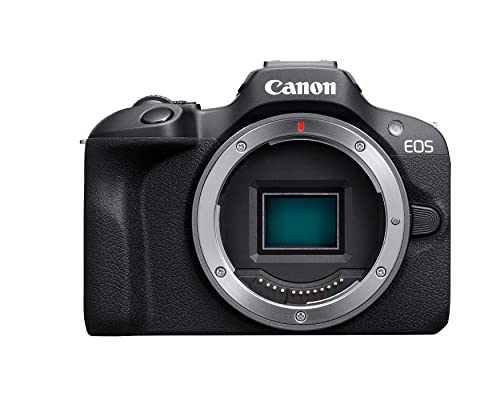

Mirrorless cameras bring a range of features that attract many photographers. Their design and technology offer unique benefits not found in traditional DSLRs. These features improve both photography and video shooting experiences. Let’s explore some key mirrorless camera features in detail.
Compact And Lightweight Design
Mirrorless cameras do not have a mirror box inside. This absence makes them smaller and lighter than DSLRs. Photographers can carry them easily for long hours. The compact size suits travel and street photography well.
Advanced Autofocus Systems
Mirrorless cameras use on-sensor phase detection autofocus. This system offers fast and accurate focusing. Many models include eye and face detection features. These help keep subjects sharp during action or portrait shots.
Superior Video Capabilities
Mirrorless cameras excel in video recording. They often support 4K resolution and high frame rates. Features like focus peaking and zebra stripes assist in manual focusing and exposure. This makes them popular among vloggers and filmmakers.
Electronic Viewfinder Benefits
The electronic viewfinder (EVF) shows a live digital preview. Photographers see exposure, color, and white balance before shooting. It also displays focus peaking and histogram overlays. This preview helps avoid mistakes and speeds up shooting.
Silent Shooting Modes
Mirrorless cameras can shoot silently using electronic shutters. This eliminates shutter noise completely. Silent modes are perfect for quiet environments like weddings or wildlife. They allow discreet photography without disturbing the scene.

Credit: www.pictureline.com
Dslr Camera Features


DSLR cameras have been popular among photographers for many years. They offer reliable performance and a solid build. Their features suit both beginners and professionals. Understanding these features helps you decide if a DSLR fits your needs.
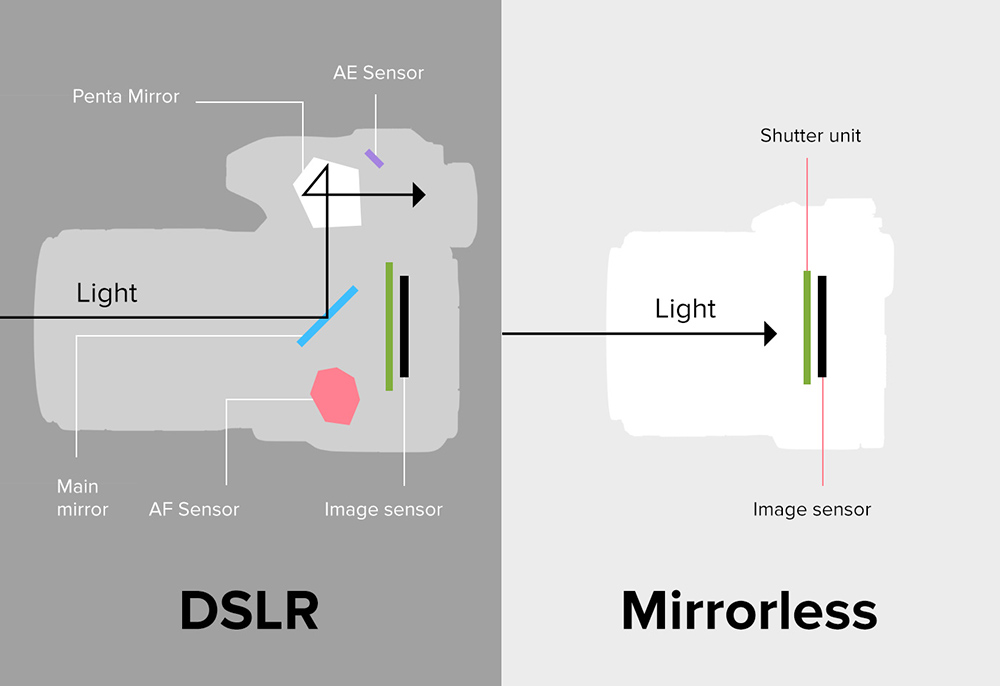
These cameras use a mirror mechanism to reflect light into an optical viewfinder. This system gives a clear and direct view of the scene. DSLRs also come with large batteries, providing longer shooting times. Their design focuses on comfort and handling. Plus, there is a wide range of lenses available for various photography styles.
Optical Viewfinder Advantages
The optical viewfinder shows the exact scene through the lens. It does not rely on a screen, so it works well in bright light. Photographers see a clear, real-time image without delay. This helps in framing and focusing quickly. The view is natural, which many find easier to use than electronic screens.
Longer Battery Life
DSLRs use less power because they do not need to power an electronic viewfinder. This means longer battery life for shooting sessions. Photographers can shoot hundreds of photos without recharging. This feature is useful for events or outdoor shoots where charging is difficult. It reduces the need to carry extra batteries.
Ergonomics And Handling
DSLRs are designed with a comfortable grip and solid feel. Their size and weight help balance heavy lenses well. Buttons and dials are easy to reach and use. This design supports steady shooting and quick adjustments. Many photographers prefer the physical controls over touchscreen menus.
Extensive Lens Options
DSLR cameras have access to a vast selection of lenses. Many brands offer lenses for portraits, landscapes, macro, and sports. Older lenses are often compatible with new DSLR bodies. This variety allows photographers to expand their gear as skills grow. It also helps find lenses at different price points.
Performance Comparison
Performance is a key factor when choosing between a mirrorless camera and a DSLR. Both types offer strong capabilities, but they excel differently in various areas. Understanding how each performs helps you pick the right camera for your needs.
Continuous Shooting Speed
Mirrorless cameras often capture more frames per second. They lack a mirror mechanism, which speeds up shooting. This makes them great for fast action, like sports or wildlife. DSLRs usually have slower burst rates because of their mirror flipping. However, some high-end DSLRs still offer competitive speeds.
Autofocus Accuracy
Mirrorless cameras use advanced on-sensor autofocus systems. They track subjects with precision, even in motion. Features like eye detection improve focus on faces and animals. DSLRs use phase-detection autofocus through the mirror. They perform well but may lag behind in live view and video modes.
Low Light Performance
DSLRs often have larger sensors that handle low light well. They produce less noise in dark scenes. Mirrorless cameras have improved their sensor designs, closing the gap. Their electronic viewfinders help adjust settings quickly in dim light. Both types can deliver strong results with the right lens.
Size And Weight Differences
Size and weight play a key role in choosing between mirrorless cameras and DSLRs. Both types have unique designs that affect how heavy and bulky they feel. These factors impact comfort, portability, and ease of use during shoots.
Mirrorless cameras usually have a smaller body since they lack a mirror box. This design reduces overall size and weight, making them easier to carry for long hours. DSLR cameras contain a mirror mechanism and pentaprism, which adds bulk and weight.
Mirrorless Cameras: Compact And Lightweight
Mirrorless cameras are designed to be compact. They weigh less, often by several hundred grams, compared to DSLRs. This makes them ideal for travel and street photography. Photographers can carry them all day without feeling tired.
The smaller size helps in tight spaces where movement is limited. Lens options are also evolving to be lighter and smaller, matching the camera body’s compactness.
Dslrs: Larger Size And Heavier Build
DSLRs have a bigger and heavier body due to the mirror and prism system inside. This adds to their durability and grip, preferred by some professionals. The weight can provide stability when using large lenses.
The bulkier size may be less convenient for casual shooting or long hikes. However, some users like the solid feel and balance of a DSLR in hand.
Impact On User Experience
The lighter weight of mirrorless cameras allows for faster handling and quicker setup. They fit easily into backpacks or small bags. This is a strong advantage for photographers who move a lot.
DSLRs may cause fatigue over long sessions due to their weight. Yet, the sturdier build can help steady shots. Choosing depends on how much you value portability versus handling comfort.
Viewfinder Types
The viewfinder is a key part of any camera. It helps you frame and focus your shots. Mirrorless cameras and DSLRs use different types of viewfinders. Each type has unique features that affect how you see your subject. Understanding these differences can help you choose the right camera.
Electronic Viewfinders In Mirrorless
Mirrorless cameras use electronic viewfinders (EVFs). EVFs show a digital preview of the image. They display exactly what the sensor will capture.
This means you see the true colors, brightness, and exposure. Changes in settings appear immediately in the viewfinder. This helps you adjust before taking the shot.
EVFs can also show extra information like histograms and focus peaking. They work well in low light because they can brighten the scene. However, some users find EVFs less natural than optical ones.
Optical Viewfinders In Dslrs
DSLRs use optical viewfinders (OVFs). These rely on mirrors and prisms to show a direct view through the lens. You see the scene exactly as it is, without digital processing.
OVFs provide a clear, lag-free image. This is helpful for fast action or sports photography. They also do not drain battery power like EVFs.
However, OVFs do not show exposure or color changes in real-time. You only see the actual scene, not the camera’s settings effect. Some photographers prefer the natural feel and simplicity of optical viewfinders.
Battery Life Considerations
Battery life is a key factor when choosing between a mirrorless camera and a DSLR. It affects how long you can shoot without needing to recharge or swap batteries. Understanding the differences helps you pick a camera that fits your shooting style and needs.
Battery Performance In Dslrs
DSLRs usually have larger batteries that last longer. They use an optical viewfinder that does not consume power. This allows photographers to shoot many photos before the battery drains. For long sessions or outdoor shoots, DSLRs offer reliable battery life.
Battery Challenges With Mirrorless Cameras
Mirrorless cameras rely on electronic viewfinders or LCD screens. These displays use more power and drain the battery faster. As a result, mirrorless cameras often require extra batteries for extended use. Photographers should plan ahead for charging or carrying spares.
Tips To Extend Battery Life
Turn off the LCD screen when not in use. Use the optical viewfinder on DSLRs to save power. Lower screen brightness on mirrorless models. Carry extra batteries during long shoots. Avoid leaving cameras on when idle. These steps help maximize shooting time.
Lens Ecosystem And Compatibility
The lens ecosystem and compatibility are crucial factors when choosing between mirrorless cameras and DSLRs. Lenses define the camera’s versatility and image quality. Understanding lens options helps photographers invest wisely. Both camera types offer a range of lenses but differ in availability and compatibility.
Choosing the right lens affects your shooting style and creativity. Lens mounts vary between mirrorless and DSLR systems, impacting which lenses you can use. Compatibility with older lenses also plays a role, especially for photographers upgrading their gear.
Mirrorless Lens Options
Mirrorless cameras use shorter flange distances, allowing smaller, lighter lenses. Manufacturers are rapidly expanding lens lineups for these systems. Many mirrorless lenses feature modern designs and advanced optics. Third-party brands also produce compatible lenses, widening choices.
Adapters let you use DSLR lenses on mirrorless bodies with some limitations. Autofocus speed and image stabilization may vary with adapted lenses. Native mirrorless lenses offer full performance and better integration with camera features.
Dslr Lens Market
DSLRs benefit from a mature and extensive lens market. Decades of development mean a vast selection of lenses exists for different needs. Many affordable used lenses are available, making DSLRs cost-effective for lens upgrades.
DSLR lenses often have proven durability and optical quality. They fit directly without adapters, ensuring full compatibility and performance. The size and weight of DSLR lenses tend to be larger compared to mirrorless lenses.
User Experience And Ergonomics
User experience and ergonomics play a crucial role in choosing between mirrorless cameras and DSLRs. Comfort, ease of use, and handling affect how photographers interact with their gear. These factors influence shooting performance and overall satisfaction.
Both mirrorless and DSLR cameras offer distinct designs and handling styles. Understanding these differences helps photographers select the right tool for their needs. Let’s explore how each type performs in terms of user experience and ergonomics.
User Interface And Controls
DSLRs feature many physical buttons and dials. This setup allows quick access to settings without diving into menus. The tactile feedback helps users adjust settings confidently, even without looking.
Mirrorless cameras often rely more on touchscreens and customizable buttons. This design offers flexibility but may require more menu navigation. Some users find this modern interface intuitive, while others prefer the traditional control layout of DSLRs.
Size And Weight
Mirrorless cameras are typically smaller and lighter. They lack the mirror box found in DSLRs, reducing bulk. This compact size suits travel and street photography well.
DSLRs tend to be bulkier and heavier. The larger body can provide a better grip, especially with bigger lenses. Many photographers appreciate the solid feel and balance during long shoots.
Viewfinder Experience
DSLRs use optical viewfinders (OVF). OVFs show a direct view through the lens using mirrors. This offers a clear, lag-free image with natural colors.
Mirrorless cameras use electronic viewfinders (EVF). EVFs display a digital preview of the image. This preview includes exposure, white balance, and focus information. The EVF helps photographers see exactly how their settings affect the shot.
Handling And Grip
DSLR grips are usually larger and more pronounced. This design suits photographers with bigger hands or those using heavy lenses. The firm grip aids stability and reduces fatigue.
Mirrorless camera grips are smaller but improving with newer models. They offer good control but may feel less comfortable during extended use. Some manufacturers add optional grip accessories to enhance handling.
Best Cameras For Beginners
Choosing the best camera for beginners is key to starting photography with confidence. The right camera helps new photographers learn skills faster and enjoy shooting more. Both mirrorless and DSLR cameras offer strong options, but each has unique benefits that suit beginners differently. Understanding these can guide you to a camera that feels comfortable and easy to use.
Why Mirrorless Suits New Photographers
Mirrorless cameras are smaller and lighter, making them easier to carry and handle. Their electronic viewfinders display exactly how the photo will look, helping beginners learn settings quickly. These cameras focus faster and more accurately, which is helpful for capturing sharp images. Mirrorless models often include helpful guides and touchscreens that simplify camera operation. They also offer excellent video quality, a plus for beginners exploring multimedia. The quiet shooting mode helps avoid disturbing subjects, ideal for wildlife or events.
Dslr Recommendations
DSLRs remain popular among beginners for their sturdy build and simple controls. They have optical viewfinders that provide a clear, real-time view of the scene without lag. DSLRs usually offer longer battery life, allowing more shooting time between charges. Entry-level models from brands like Canon and Nikon deliver solid image quality and user-friendly menus. These cameras support a wide range of lenses and accessories, which helps beginners grow their gear over time. DSLRs are often priced affordably, making them a great choice for those starting out on a budget.

Credit: www.youtube.com
Choosing Based On Photography Needs
Choosing the right camera depends mostly on your photography needs. Both mirrorless and DSLR cameras offer unique benefits that suit different styles. Understanding these differences helps you pick the best tool for your work or hobby.
When To Choose Mirrorless
Mirrorless cameras are great for photographers who want compact gear. They suit those who move a lot or travel light. Fast autofocus systems make them ideal for capturing action shots. They also excel in video recording with high-quality output. Electronic viewfinders let you see exposure and colors in real time. Their silent operation helps in quiet settings like weddings or wildlife. Mirrorless models often have faster burst modes for sports and wildlife photography.
When To Choose Dslr
DSLRs work well for photographers who prefer a traditional shooting experience. Optical viewfinders give a clear, natural view without delay. These cameras often have better battery life for long shoots. They are also favored by those who use a wide range of lenses, thanks to a mature lens ecosystem. DSLRs are sturdy and reliable for outdoor and rugged conditions. Photographers who value a solid grip and heavier body may choose DSLRs. They remain a top choice for studio and portrait photography due to their excellent image quality.
Credit: www.canon.com.au
Frequently Asked Questions
Which Is Better Mirrorless Or Dslr Cameras?
Mirrorless cameras offer advanced autofocus, superior video, and compact design. DSLRs provide longer battery life, optical viewfinders, and a vast lens selection. Choose mirrorless for cutting-edge tech; choose DSLR for reliability and lens variety. The best option depends on your photography needs.
Do Professional Photographers Use Dslr Or Mirrorless?
Professional photographers use both DSLR and mirrorless cameras based on their needs. Mirrorless offers advanced autofocus and compactness. DSLRs provide longer battery life and optical viewfinders. Choice depends on shooting style, priority for video, lens options, and ergonomics. Both deliver high-quality results.
What Are The Disadvantages Of Mirrorless Cameras?
Mirrorless cameras often have shorter battery life and smaller lens selections. Their electronic viewfinders can lag in bright light. Some users find them less ergonomic than DSLRs.
Do Mirrorless Cameras Take Better Photos?
Mirrorless cameras often capture sharper images with faster autofocus and better video features. Photo quality depends on the lens and settings used.
What Is The Main Difference Between Mirrorless And Dslr Cameras?
Mirrorless cameras lack a mirror box, making them smaller and lighter than DSLRs.
Which Camera Type Offers Better Autofocus Performance?
Mirrorless cameras provide faster and more advanced autofocus, including eye-tracking features.
Do Mirrorless Cameras Have Better Video Capabilities Than Dslrs?
Yes, mirrorless cameras generally offer superior video quality and features.
How Do Battery Lives Compare Between Mirrorless And Dslr Cameras?
DSLRs usually have longer battery life due to less power used by their optical viewfinder.
Which Camera Provides A More Natural Viewfinder Experience?
DSLRs use an optical viewfinder that shows a direct, real-time scene view.
Are Mirrorless Cameras Quieter Than Dslrs During Shooting?
Yes, mirrorless cameras can use silent electronic shutters for quieter operation.
Conclusion
Choosing between a mirrorless camera and a DSLR depends on your needs. Mirrorless cameras are light, fast, and great for video. DSLRs offer longer battery life and a clear optical viewfinder. Both types have strong lens options. Think about what matters most: portability and speed, or battery and comfort.
Either choice can help you take great photos. Try them if possible. Find the one that feels right for you.
As an Amazon Associate, I earn from Qualifying Purchases.