Tesla vehicles have eight cameras. These cameras provide a 360-degree view around the car.
Tesla’s camera system is designed to enhance safety and enable advanced features. These cameras work together to offer a comprehensive view, helping with navigation and obstacle detection. By using multiple cameras, Tesla ensures that their cars can effectively monitor their surroundings.
This setup is a key part of Tesla’s Autopilot and Full Self-Driving capabilities. The system combines these visual inputs with other sensors to create a detailed understanding of the environment. This technology aims to make driving safer and more efficient. In the following sections, we will explore the functions and advantages of each camera in detail.
Introduction To Tesla’s Camera System
Tesla’s camera system is a key part of their advanced driver-assistance system, known as Autopilot. This system uses multiple cameras to provide a 360-degree view around the vehicle. The cameras work together to enhance safety and assist with driving tasks. They help detect obstacles, read road signs, and more.
Purpose Of Cameras
The cameras in a Tesla vehicle serve several important purposes. First, they provide a comprehensive view of the surroundings. This helps in detecting other vehicles, pedestrians, and obstacles. Second, they assist in lane keeping by monitoring lane markings. Third, they help in parking by providing clear visuals of the parking space.
Here is a brief overview of the camera functions:
- Front Camera: Monitors the road ahead.
- Rear Camera: Assists in parking and reversing.
- Side Cameras: Keep track of vehicles in adjacent lanes.
- Bumper Cameras: Detect objects close to the car’s front and rear bumpers.
Evolution Over Time
Tesla’s camera system has evolved over the years. Initially, Tesla cars had fewer cameras. With each new model, the number of cameras increased. The quality and capabilities of these cameras also improved.
Here is a summary of the evolution:
| Model | Number of Cameras | Features |
|---|---|---|
| Model S (2014) | 1 | Basic Autopilot |
| Model S (2016) | 8 | Enhanced Autopilot |
| Model 3 (2020) | 8 | Full Self-Driving Capabilities |
Each camera in the system has a specific role. Together, they create a seamless driving experience. The evolution of Tesla’s camera system shows their commitment to safety and innovation.

Credit: pimpmyev.com
Number Of Cameras On Tesla Vehicles
Tesla vehicles are known for their advanced technology and safety features. One of the critical components of this technology is the camera system. Tesla equips its cars with multiple cameras to provide a 360-degree view around the vehicle, enhancing safety and driving assistance capabilities.
Model-specific Camera Counts
The number of cameras on Tesla vehicles varies by model. The Model S, Model X, Model 3, and Model Y each have a specific number of cameras. For instance, the Model 3 and Model Y have eight cameras. The Model S and Model X also come with eight cameras. This uniformity ensures consistent performance across different models.
Placement On The Vehicle
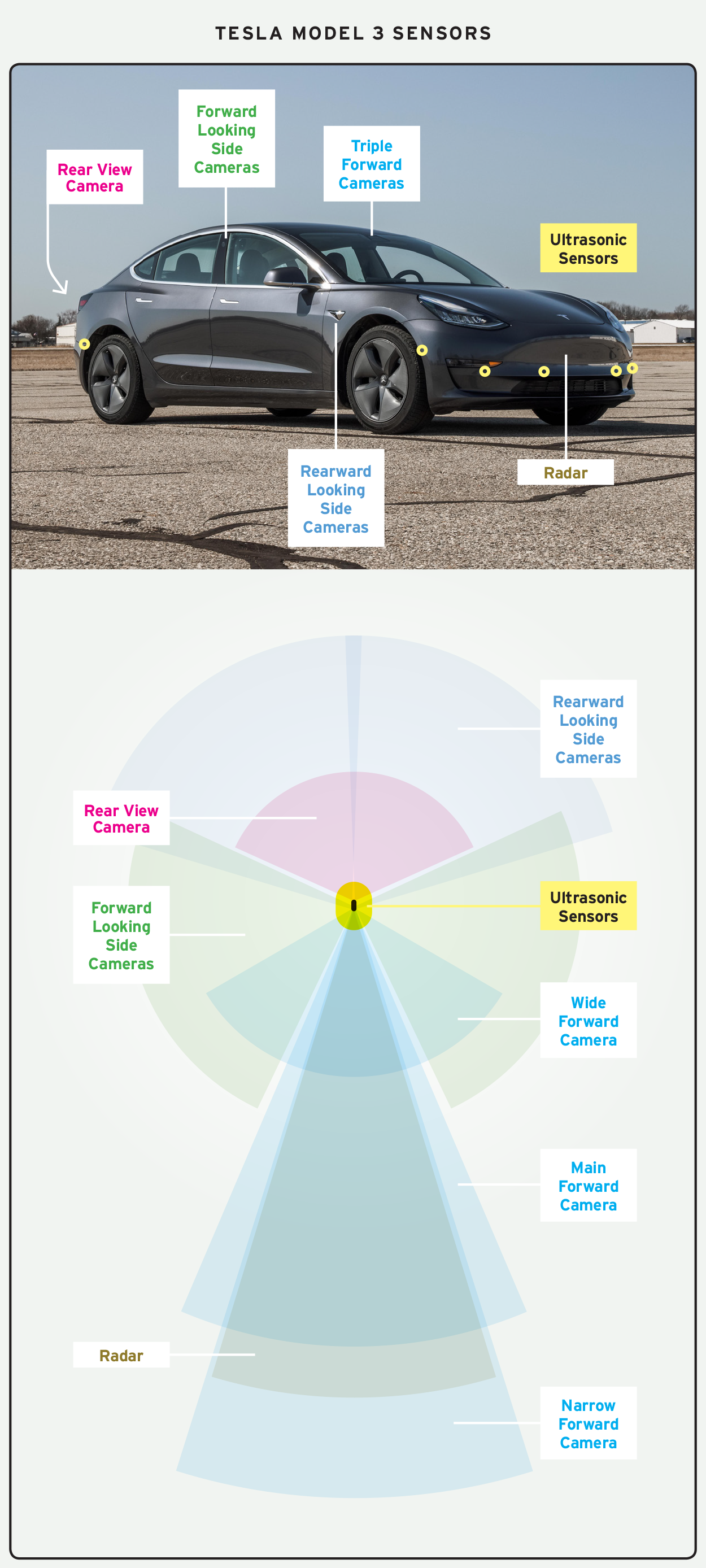
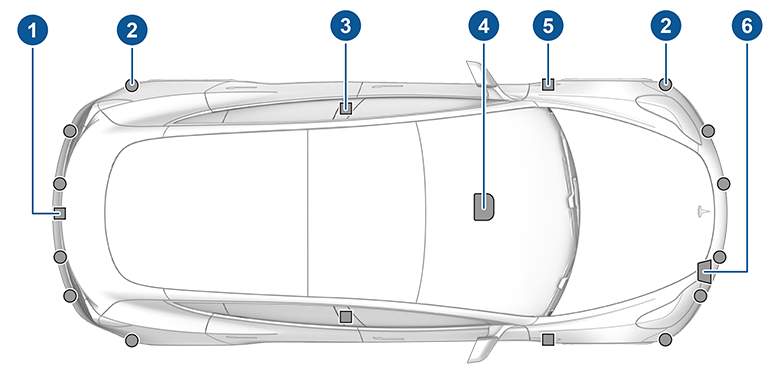
The cameras are strategically placed around the vehicle to cover all angles. There are three cameras in the front of the car, providing a wide, narrow, and main forward view. Two side cameras are located on the front fenders. These help with lane changes and detecting objects in blind spots. There are also two cameras on the B-pillars, which monitor the sides of the car. Finally, one camera is placed on the rear, assisting with parking and reversing.
This strategic placement ensures that the cameras cover all critical areas around the vehicle. It helps in detecting obstacles, other vehicles, and pedestrians. The camera system works with other sensors to enhance the vehicle’s autopilot and full self-driving capabilities.
Functions Of Tesla Cameras
Tesla cameras serve many functions, enhancing safety and driving experience. They provide real-time data for various features. Let’s explore these functions in detail.
Surround View Monitoring
Tesla cars use multiple cameras for surround view monitoring. This gives drivers a 360-degree view around the vehicle. It helps during parking and tight maneuvers. The cameras detect obstacles and alert the driver. This ensures safe and confident driving.
Autopilot Capabilities
The cameras are crucial for Tesla’s Autopilot system. They help the car understand its surroundings. The cameras identify lanes, traffic signs, and other vehicles. This information allows the car to steer, accelerate, and brake automatically. It enhances driving ease and safety.
Advanced Camera Technologies
Understanding Tesla’s camera technology helps you appreciate its safety and performance. Tesla employs a network of cameras to ensure a smooth and secure driving experience. These cameras are advanced, utilizing high-resolution imaging and night vision capabilities.
High-resolution Imaging
Tesla cars feature cameras with high-resolution imaging. These cameras capture clear and detailed images of the surroundings. They can identify other vehicles, pedestrians, and obstacles. This helps the car make safe driving decisions.
High-resolution cameras are essential for Tesla’s Autopilot and Full Self-Driving (FSD) systems. They provide accurate data for the car’s computer to process. This ensures the car can react quickly to any situation on the road.
Night Vision Capabilities
Driving at night presents unique challenges. Tesla’s cameras include night vision capabilities to address these challenges. These cameras use low-light sensors to capture clear images even in darkness. This improves safety during night-time driving.
Night vision capabilities help in detecting animals, pedestrians, and other obstacles. Tesla cars can then take necessary actions to avoid accidents. This technology makes night driving safer and more reliable.
Camera Integration With Sensors
Tesla’s vehicles are packed with cutting-edge technology. One key feature is the integration of cameras with various sensors. This combination enhances the car’s ability to understand its surroundings. Tesla’s system utilizes cameras, radar, and ultrasonic sensors to create a comprehensive view of the road.
Radar And Ultrasonic Sensors
Radar sensors in Tesla vehicles measure the distance to objects. They work well in all weather conditions. Ultrasonic sensors help with close-range detection. They are useful for parking and detecting nearby obstacles. These sensors provide data for the car’s Autopilot system.
Lidar Alternatives
Tesla does not use Lidar technology. Instead, it relies on a combination of cameras and radar. Lidar is expensive and has limitations in bad weather. Tesla’s system aims to achieve similar results with more affordable and reliable components.
| Sensor Type | Function |
|---|---|
| Camera | Visual recognition and depth perception |
| Radar | Distance measurement in all weather conditions |
| Ultrasonic | Close-range detection and parking assistance |
Tesla’s approach to sensor integration is innovative and cost-effective. By using a mix of cameras, radar, and ultrasonic sensors, Tesla vehicles gain a comprehensive understanding of their environment. This integration is crucial for the effectiveness of Tesla’s autonomous driving technology.
Software And Ai In Camera Systems
Tesla vehicles are equipped with advanced camera systems. These cameras are not just hardware. They work with sophisticated software and AI. This combination enhances the car’s performance and safety. The software processes the data captured by the cameras. AI improves the vehicle’s decision-making capabilities. Let’s explore how machine learning and real-time data processing play a role.
Machine Learning Algorithms
Tesla uses machine learning algorithms to analyze camera data. These algorithms help the car recognize objects, signs, and lane markings. The system learns from vast amounts of data. It improves its accuracy over time. This makes the car smarter and safer.
Machine learning also helps in identifying patterns. For example, it can predict the movement of pedestrians. This helps in avoiding accidents. The continuous learning process ensures that the car adapts to new situations.
Real-time Data Processing
Real-time data processing is crucial for Tesla’s camera systems. The car must make decisions quickly. Delays can lead to accidents. The software processes data from eight cameras simultaneously. This provides a 360-degree view around the vehicle.
The cameras capture high-definition images. These images are processed in milliseconds. The software identifies potential hazards instantly. This enables the car to react in real time.
| Feature | Description |
|---|---|
| 360-Degree View | Combines data from all cameras |
| High-Definition Images | Clear, detailed visual data |
| Instant Hazard Detection | Identifies risks quickly |
These capabilities enhance the driving experience. They also improve safety for everyone on the road. The combination of software and AI in Tesla’s camera systems is a key factor in its success.
Safety And Security Features
Tesla vehicles are renowned for their advanced safety and security features. These features are powered by a sophisticated camera system. They ensure a secure driving experience. Tesla’s cameras play a crucial role in various safety aspects.
Obstacle Detection
Tesla’s cameras are essential for obstacle detection. They monitor the surroundings continuously. The system identifies potential obstacles on the road. This includes other vehicles, pedestrians, and stationary objects. The cameras provide real-time data to the onboard computer. This helps in taking immediate action to avoid collisions. The system can alert the driver or even apply brakes automatically.
Driver Assistance
Tesla’s driver assistance features rely heavily on its cameras. These cameras offer a 360-degree view. They help in lane-keeping, adaptive cruise control, and parking assistance. The cameras track lane markings and traffic signs. They ensure the vehicle stays in its lane. They also monitor the distance from other vehicles. This helps in maintaining a safe following distance. Parking becomes easier with cameras guiding the vehicle into tight spots.
Credit: www.caranddriver.com
Future Of Tesla Camera Technology
The future of Tesla camera technology promises exciting advancements. Tesla’s commitment to innovation continually pushes the boundaries of vehicle technology. The cameras in Tesla cars play a crucial role in safety and autonomous driving. As technology evolves, Tesla aims to enhance these systems further.
Upcoming Innovations
Tesla plans to introduce higher resolution cameras. These will provide clearer images, improving the vehicle’s ability to detect obstacles. The new cameras will have better performance in low light conditions. This will enhance the safety of night driving.
Another innovation is the integration of 360-degree views. This will allow drivers to see their surroundings from all angles. It will make parking and lane changes easier. Tesla is also working on AI improvements. These will help cameras process data faster and more accurately.
Potential Upgrades
Future Tesla models might include more cameras. This will provide even better coverage and data collection. Enhanced software updates will also play a role. They will improve the functionality of existing camera systems.
Increased connectivity is another potential upgrade. This will allow cameras to communicate with other smart devices. It will create a more integrated driving experience. Tesla’s focus on safety and innovation ensures that camera technology will continue to advance.
User Experience And Feedback
Tesla’s advanced camera system enhances the driving experience. With multiple cameras, drivers can enjoy an extra layer of safety and convenience. In this section, we explore user feedback and experiences with Tesla’s cameras.
Driver Testimonials
Many Tesla owners appreciate the camera system. They find it helpful for everyday driving and parking. Here are some testimonials:
- John D. from Texas says, “The cameras give me a clear view of my surroundings. Parking has never been easier.”
- Sarah P. from California notes, “I feel safer with the cameras. They help me spot obstacles quickly.”
- Mike L. from New York shares, “The cameras are a game-changer. My driving has improved significantly.”
Performance Reviews
Experts have tested Tesla’s camera system thoroughly. Their reviews highlight the system’s strengths and weaknesses:
| Aspect | Review |
|---|---|
| Clarity | The camera feeds are clear and detailed, even in low light. |
| Coverage | With multiple cameras, blind spots are minimized. Drivers get a 360-degree view. |
| Reliability | Most users find the cameras reliable. Rare issues are quickly addressed by Tesla. |
Overall, the feedback on Tesla’s camera system is positive. Users and experts alike praise the enhanced safety and convenience.
Credit: www.tesla.com
Comparing Tesla With Competitors
Tesla vehicles are known for their advanced technology and numerous cameras. How does Tesla compare with other car manufacturers? This section will explore camera systems in Tesla vehicles and how they stack up against competitors.
Other Car Manufacturers
Many car manufacturers include cameras in their vehicles. These cameras assist with parking, lane changes, and detecting obstacles. Let’s compare their camera systems with Tesla.
| Manufacturer | Number of Cameras | Features |
|---|---|---|
| Tesla | 8 | Autopilot, Full Self-Driving, 360-degree view |
| BMW | 6 | Parking Assist, Lane Keeping, Traffic Sign Recognition |
| Mercedes-Benz | 5 | Active Lane Change Assist, Parking Assist |
| Audi | 4 | 360-degree view, Parking Assist |
Technology Differences
The technology behind camera systems can vary. Tesla uses cameras for its Autopilot and Full Self-Driving features. These cameras provide a 360-degree view, which helps in various driving situations.
Other manufacturers also use cameras for advanced features. For example:
- BMW’s cameras assist with parking and lane keeping.
- Mercedes-Benz uses cameras for active lane changes.
- Audi’s cameras help with 360-degree views and parking.
The main difference is in the integration. Tesla’s system is designed to work seamlessly with its Autopilot and Full Self-Driving capabilities.
This tight integration allows for a smoother and more reliable driving experience. Other manufacturers are catching up, but Tesla remains a leader in camera technology.
Frequently Asked Questions
How Many Cameras Does A Tesla Have?
Tesla vehicles are equipped with eight cameras. These cameras provide a 360-degree view around the car for enhanced safety.
What Is The Purpose Of Tesla’s Cameras?
Tesla’s cameras are used for Autopilot and Full Self-Driving features. They help with lane keeping, traffic-aware cruise control, and parking.
Are Tesla’s Cameras Always Recording?
Yes, Tesla’s cameras are always recording. This is for safety features like Sentry Mode, which monitors and records suspicious activity.
Do All Tesla Models Have The Same Number Of Cameras?
Yes, all Tesla models feature the same number of cameras. Each model is equipped with eight cameras for consistent safety and performance.
Conclusion
Tesla’s cameras enhance driving safety and support self-driving features. With eight cameras, Tesla provides a 360-degree view. This helps in navigation and obstacle detection. Their advanced system makes driving smarter and safer. Tesla’s camera technology continues to evolve. Future upgrades may bring even better performance.
Safety and innovation remain Tesla’s top priorities. This camera system represents a significant step in automotive technology. Tesla’s commitment to excellence is clear. Their camera setup is a key component of their vision. This technology ensures a safer driving experience for all.
As an Amazon Associate, I earn from Qualifying Purchases.