Are you ready to capture stunning photos but feel overwhelmed by all the camera options out there? Choosing your first DSLR camera doesn’t have to be confusing or stressful.
Whether you want to freeze a moment, tell a story through your pictures, or simply explore a new hobby, the right DSLR can make all the difference. In this guide, you’ll discover which cameras are perfect for beginners, what features truly matter, and how to find a model that fits your style and budget.
Keep reading, and soon you’ll feel confident holding your very own DSLR, ready to create amazing images that you’ll be proud of.

Credit: www.rtings.com
Choosing Your First Dslr
Choosing your first DSLR camera can feel confusing. Many options exist, each with different features. A good choice helps you learn easily. It also fits your style and budget. Understanding key points makes picking simple and fun.
Start with what matters most for beginners. This guide covers important factors. It helps you find a camera that feels right and works well.
Ergonomics And Comfort
Hold the camera before buying. It should fit your hands well. You will carry it for a long time. A heavy or awkward camera can cause fatigue. Choose a model that feels balanced and easy to grip.
User-friendly Interface
Look for cameras with simple menus. Guide modes are helpful for learning settings. A touchscreen can make navigation faster. Avoid models with too many complex buttons. A clear display helps you check photos quickly.
Image Quality And Performance
Most beginner DSLRs take great pictures. Check how colors look in sample images. Good cameras handle light changes well. Fast autofocus helps capture sharp photos. Choose a camera that performs well in different scenes.
Budget And Value
Set a budget before shopping. Basic DSLRs can be affordable and useful. Avoid spending on features you do not need. Look for bundles with lenses and accessories. Buying a good starter kit saves money and adds value.
Credit: photographylife.com
Essential Dslr Features
Essential DSLR features help new photographers take great pictures with ease. These features make the camera simple to use and improve photo quality. Understanding them saves time and frustration.
Each DSLR has its own set of tools that assist in capturing clear and sharp images. Knowing the basics guides beginners to pick the right camera for their needs.
HTML Syntax:Auto Focus System
The auto focus system quickly finds and locks on subjects. It helps capture sharp images without manual adjustments. A good auto focus system is important for moving subjects and low light.
HTML Syntax:Image Sensor Size
The image sensor size affects picture quality and depth of field. Larger sensors capture more light and detail. Beginners benefit from sensors that perform well in different lighting.
HTML Syntax:ISO Range
ISO controls the camera’s sensitivity to light. A wide ISO range helps shoot in bright and dark places. Beginners need flexible ISO to avoid blurry or noisy photos.
HTML Syntax:Viewfinder and LCD Screen
The viewfinder shows the scene before taking a photo. An LCD screen helps review and change settings. Both tools assist in composing shots and checking focus easily.
HTML Syntax:Manual Controls
Manual controls let users adjust shutter speed, aperture, and focus. Learning these settings improves photo creativity and skill. Beginners should find cameras with easy manual control options.
Top Beginner Dslr Models
Choosing the right DSLR camera can make photography enjoyable. The best beginner models balance ease of use with quality features. These cameras help new photographers learn without confusion or frustration.
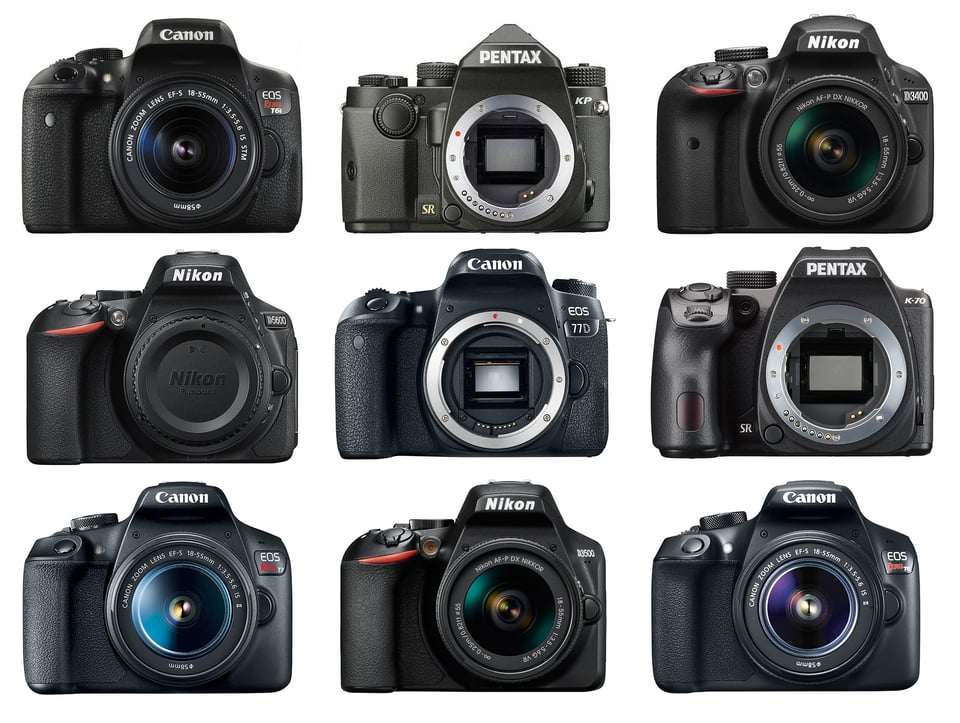
They offer good image quality and simple controls. Many include helpful guides and modes to assist beginners. Below are some popular beginner DSLR options to consider.
Canon Eos Rebel T7
The Canon EOS Rebel T7 is easy to use. It has a 24.1-megapixel sensor that captures sharp images. The camera offers built-in Wi-Fi for quick sharing. Its lightweight design makes it comfortable to hold. The guided menu helps beginners learn settings fast.
Nikon D3500
The Nikon D3500 is known for its great battery life. It has a 24.2-megapixel sensor and excellent image quality. This model offers a simple interface with helpful tips. It is compact and easy to carry. Perfect for those starting photography.
Pentax K-70
The Pentax K-70 is tough and weather-resistant. It features a 24.2-megapixel sensor and good low-light performance. The camera has a fully articulating screen for easy framing. It supports wireless control through a smartphone app. A solid choice for outdoor photography.

Credit: www.rtings.com
Understanding Camera Ergonomics
Understanding camera ergonomics is key for every beginner using a DSLR. Ergonomics means how the camera fits in your hands and how easy it is to use. A well-designed camera feels natural and comfortable. This reduces hand strain during long shoots and helps you take steady pictures. Simple controls placed within reach make shooting faster and more enjoyable.
Choosing a camera with good ergonomics helps you focus on learning photography, not on struggling with the device. It also builds confidence as you handle the camera smoothly. Let’s explore important ergonomic features that beginners should notice.
Grip And Comfort
The grip is where your hand holds the camera. It should fit your hand size well. A deep, textured grip helps keep the camera steady. This prevents slipping and makes it easier to hold the camera for a long time. Try holding different cameras before buying. Comfort matters more than looks.
Button Placement And Accessibility
Buttons and dials need to be easy to reach without changing your grip. Commonly used controls like shutter release and mode dial should be near your fingers. This lets you change settings quickly. Avoid cameras with crowded or confusing button layouts. Clear and simple controls speed up your learning.
Weight And Balance
A heavy camera can tire your hands fast. A very light camera might feel cheap or unstable. Look for a balanced weight that feels solid but not heavy. The balance between the body and lens also matters. A well-balanced camera stays steady and easier to carry around.
Viewfinder And Screen
The viewfinder shows what you will capture. It should be clear and easy to look through. Many cameras also have a LCD screen for live preview. A tilting or rotating screen helps shoot from different angles. This adds comfort and creativity in your photography.
Navigating User Interfaces
Navigating the user interface of a DSLR camera can seem tricky at first. New users often face many buttons, dials, and menus. Understanding these controls helps you take better photos quickly.
DSLR cameras have screens and viewfinders that show settings and images. Learning how to move through menus and adjust options makes shooting more enjoyable. Simple steps can make complex features easier to use.
Understanding The Main Menu
The main menu controls your camera’s settings. It usually appears on the LCD screen. The menu has different sections like image quality, autofocus, and white balance.
Take your time to explore each section. Use the arrow keys or touchscreen to move around. Settings are often grouped by function, making it easier to find what you need.
Using The Mode Dial
The mode dial is a round switch on top of the camera. It lets you choose shooting modes such as Auto, Portrait, or Manual. Auto mode is perfect for beginners.
Switching modes changes how the camera behaves. Some modes handle everything for you, while others give you full control. Experiment with different modes to see what fits your style.
Adjusting Settings Quickly
Many DSLR cameras have quick access buttons for common settings. These may control ISO, shutter speed, or aperture. Learning these buttons saves time and helps you react fast.
Use the camera’s info button or screen to check current settings. Adjust settings step-by-step to understand their impact on your photos. Practice makes these changes feel natural.
Lens Options And Compatibility
Choosing the right lens is key to getting the most out of your DSLR camera. Lenses affect how your photos look, from close-up portraits to wide landscapes. Knowing lens options and compatibility helps you pick lenses that fit your camera and style.
DSLR cameras use different lens mounts. These mounts connect lenses to the camera body. Each brand, like Canon or Nikon, has its own mount system. Picking a lens with the right mount ensures it fits and works properly.
Types Of Dslr Lenses
There are three main types of lenses for DSLR cameras: prime, zoom, and specialty lenses. Prime lenses have one fixed focal length. They often give sharper images and work well in low light. Zoom lenses cover a range of focal lengths. They are flexible for many types of photography. Specialty lenses include macro and fisheye. These lenses create unique effects or capture close details.
Understanding Lens Compatibility
Lens compatibility depends on the camera’s mount type and sensor size. Full-frame and crop sensor cameras may need different lenses. Using the wrong lens can cause poor image quality or no focus. Always check if the lens is designed for your camera brand and model.
Choosing Lenses As A Beginner
Start with a basic zoom lens. It covers many situations and is easy to use. As you learn, add lenses like a prime or macro. This helps explore different styles and improve skills. Remember, a good lens can last through many camera upgrades.
Mastering Basic Photography Settings
Understanding basic photography settings is key to taking great photos with a DSLR camera. These settings control how your camera captures light and detail. Learning them helps you create the image you want.
Start simple. Practice adjusting one setting at a time. Watch how each change affects your photo. This approach builds confidence and skill.
Understanding Aperture
Aperture controls how much light enters the lens. It is measured in f-stops like f/2.8 or f/8. A lower number means a larger opening and more light. This creates a blurry background, perfect for portraits.
A higher f-stop number means less light and a sharper background. Use this for landscapes or group photos. Experiment with aperture to see its effect on depth and brightness.
Learning Shutter Speed
Shutter speed controls how long the camera sensor is exposed to light. It is measured in seconds or fractions, like 1/100 or 2 seconds. Fast shutter speeds freeze motion, good for sports or wildlife.
Slow shutter speeds create motion blur, useful for artistic effects like flowing water. Use a tripod for very slow speeds to avoid camera shake. Try different speeds to capture action or calm scenes.
Setting Iso For Light Sensitivity
ISO adjusts the camera’s sensitivity to light. A low ISO like 100 works best in bright light. It gives clear, detailed images with little noise.
Higher ISO values increase sensitivity for darker settings. This helps in low light but adds grain or noise. Keep ISO as low as possible for better quality photos. Learn to balance ISO with aperture and shutter speed.
Tips For Capturing Stunning Photos
Capturing stunning photos with a DSLR camera does not require years of experience. Simple techniques can make a big difference in your images. These tips help beginners create sharp, vibrant pictures. Practice these steps to improve your photography skills quickly.
Understand Your Camera Settings
Learn the basic settings: aperture, shutter speed, and ISO. Each affects the photo’s brightness and sharpness. Start with automatic mode to see how the camera works. Then, try manual mode to control each setting yourself. This helps you understand how light and focus affect your image.
Focus On Composition
Good photos are well composed. Use the rule of thirds by placing your subject off-center. This creates more interest and balance. Look for leading lines, patterns, or frames within the scene. These guide the viewer’s eye and add depth to your photo.
Use Natural Light
Natural light often creates the best pictures. Shoot during the golden hours: early morning or late afternoon. The light is soft and warm at these times. Avoid harsh midday sunlight that causes strong shadows. If indoors, place your subject near a window for gentle lighting.
Keep Your Camera Steady
Blurry photos result from shaky hands. Hold your camera with both hands and keep your elbows close to your body. Use a tripod for extra stability, especially in low light. You can also use the camera’s timer to avoid shake when pressing the shutter.
Practice Patience And Experiment
Take time to wait for the right moment. Observe your subject and surroundings closely. Try different angles and distances to find the best shot. Don’t be afraid to take many photos. Practice helps you learn what works and what does not.
Budgeting For Your Dslr Setup
Setting a clear budget for your DSLR setup is crucial. It helps avoid overspending and ensures you get the right gear. A DSLR setup includes the camera body, lenses, and accessories. Planning your budget lets you focus on essentials first. Start with the camera and add extras as you grow.
Choosing The Right Camera Body
The camera body is the heart of your DSLR setup. Prices vary widely based on brand and features. Entry-level models are affordable and easy to use. Set aside most of your budget here to get a reliable camera. Avoid very cheap options that may limit your learning.
Investing In Essential Lenses
Lenses affect image quality and creativity. A basic kit lens usually comes with the camera body. Consider adding a prime lens for sharper photos and low-light shooting. Lenses can be expensive, so buy one or two good lenses first. Upgrade lenses gradually based on your photography needs.
Allocating Funds For Accessories
Accessories improve your shooting experience. A sturdy tripod helps with stable shots and long exposures. Extra batteries keep you shooting longer without interruption. Memory cards store your photos safely and quickly. Other items like camera bags and lens cleaning kits protect your gear. Budget these extras but prioritize the camera and lenses first.
Growing Beyond The Beginner Stage
Moving beyond the beginner stage with your DSLR camera opens new opportunities. You start to see photography in a different way. Your skills grow, and your camera becomes a tool for creative expression.
Understanding more settings lets you take control of every shot. The learning curve might feel steep at first. Yet, each photo you take helps build confidence and knowledge.
Exploring Manual Mode
Manual mode gives full control over exposure. You adjust shutter speed, aperture, and ISO to fit the scene. This control leads to sharper, more artistic images. Practicing manual mode teaches you how light affects your photos.
Upgrading Your Lenses
Different lenses change how your photos look. A prime lens offers sharpness and a wide aperture. Telephoto lenses bring distant subjects closer. Experiment with lenses to find your style and improve image quality.
Understanding Composition Techniques
Good composition makes photos more interesting. Learn rules like the rule of thirds and leading lines. These guide the viewer’s eye through the image. Breaking these rules can also create unique effects once you understand them.
Using Advanced Features
Your DSLR has many features beyond auto mode. Try bracketing to capture high dynamic range scenes. Use focus peaking to get sharper images. Explore white balance settings to correct colors in different lights.
Editing Your Photos
Editing enhances your images after shooting. Basic tools adjust brightness, contrast, and color balance. Editing helps fix small issues and improve overall impact. Start with simple software and grow as your skills improve.
Frequently Asked Questions
What Is The Best Dslr Camera For A Beginner?
The best DSLR for beginners combines ease of use, good image quality, and a user-friendly interface. Canon EOS Rebel T7 and Nikon D3500 offer excellent features and lens options. These models balance performance with affordability, helping new photographers learn and grow confidently.
Are Dslrs Good For Beginners?
DSLRs offer excellent image quality and manual controls, making them ideal for beginners to learn photography basics. They provide room to grow with versatile lenses and user-friendly features. Beginners should choose comfortable, intuitive models like Canon EOS Rebel or Nikon entry-level DSLRs for easy learning and skill development.
Which Camera Is Best For A Beginner Photographer?
The best beginner camera is a user-friendly DSLR like Canon EOS Rebel or Nikon entry-level models. They offer great image quality, intuitive controls, and a wide lens selection. Choose one that feels comfortable and fits your budget to support learning and growth in photography.
How To Choose Your First Dslr Camera?
Choose a DSLR with a comfortable grip, easy controls, good image quality, and a wide lens selection. Prioritize budget-friendly, user-friendly models ideal for beginners.
What Is The Best Dslr Camera For A Beginner?
A beginner DSLR should be easy to use, affordable, and have good image quality.
How Much Should I Spend On A Newbie Dslr Camera?
Spending between $400 and $700 is good for a beginner DSLR with essential features.
What Features Matter Most In A Beginner Dslr?
Look for easy controls, good autofocus, decent image quality, and helpful guide modes.
Should Beginners Buy A Dslr Or Mirrorless Camera?
DSLRs are sturdy and have longer battery life; mirrorless are lighter and more compact.
How Important Is Camera Size And Weight For Beginners?
Lighter and smaller cameras are easier to carry and handle for new photographers.
Can I Use A Smartphone Lens With A Dslr Camera?
No, DSLR lenses are specially made for their mount and sensor size.
Conclusion
Choosing a DSLR camera as a beginner can feel simple and exciting. Start with a model that feels comfortable in your hands. Pick one with easy menus and helpful guide modes. Good image quality matters, so find a camera that works well in different lights.
Think about lenses too; having options helps your creativity grow. Keep your budget in mind and look for deals on reliable models. With the right choice, your photography journey will be fun and rewarding. Keep practicing, and enjoy capturing your world!
As an Amazon Associate, I earn from Qualifying Purchases.