Yes, the camera adds about 10 pounds to your appearance because it flattens three-dimensional depth into a two-dimensional image. Understanding why this happens can change how you view your own photos and help you feel more confident in front of a lens. As someone who has spent years behind a camera lens and in front of it, I have learned that optical distortion, lighting, and focal length play a massive role in how we perceive ourselves in pictures. When you realize that a photo is just a mathematical flattening of your features rather than a true representation of your physical reality, the myth that the camera adds 10 pounds becomes a fascinating study of physics rather than a critique of your body. Let’s dive into the science behind why this phenomenon occurs and how you can master the art of looking like your best self in every snapshot.
Source: petapixel.com
The Science of Focal Length and Lens Distortion
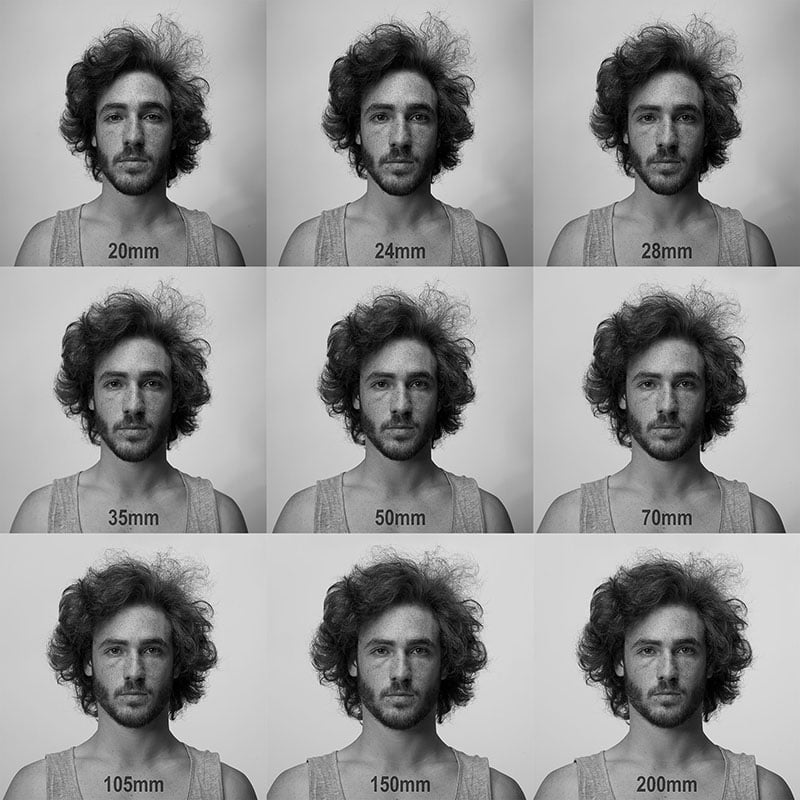
The primary reason why the camera adds 10 pounds is due to the focal length of the lens being used. When you use a wide-angle lens, which is common on smartphones, it creates a phenomenon known as perspective distortion. Objects closer to the lens appear significantly larger than those further away, which can distort facial features and body proportions.
In my early photography days, I would often take portraits with a standard phone lens, only to find the subject looked slightly bloated. Once I switched to a longer focal length, usually around 85mm or 100mm, the compression effect made the subject look much more natural and flattering. Professional portraits rarely suffer from the issue of the camera adds 10 pounds because they use lenses that maintain true-to-life proportions.
Source: kellybailey.fit
Lighting and Depth Perception
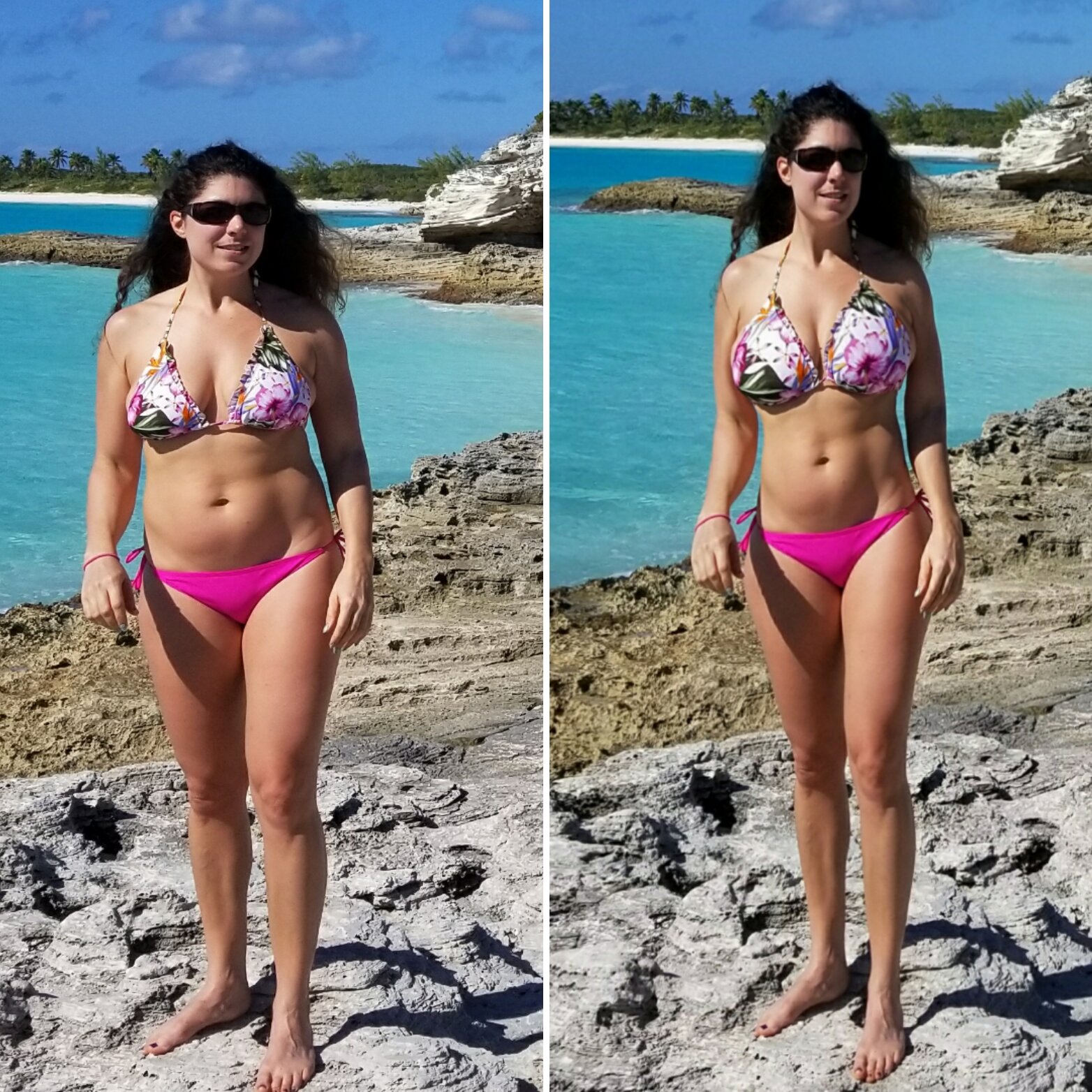
Lighting acts as the sculptor of a photograph, and poor lighting is a major contributor to the belief that the camera adds 10 pounds. When light hits your face directly from the front, it washes out shadows, erasing the natural contours and depth of your features. This flat lighting causes your face to appear wider and less defined than it truly is in person.
When I am setting up a shoot, I always prioritize side lighting or soft, directional light. By creating shadows, you bring back the three-dimensional quality of your face, which effectively counteracts the flattening effect that makes people feel the camera adds 10 pounds to their frame. Adding shadows helps define your jawline and cheekbones, making the resulting image look more like the version of you that you see in the mirror.

Source: kellybailey.fit
How Angles Change Your Appearance
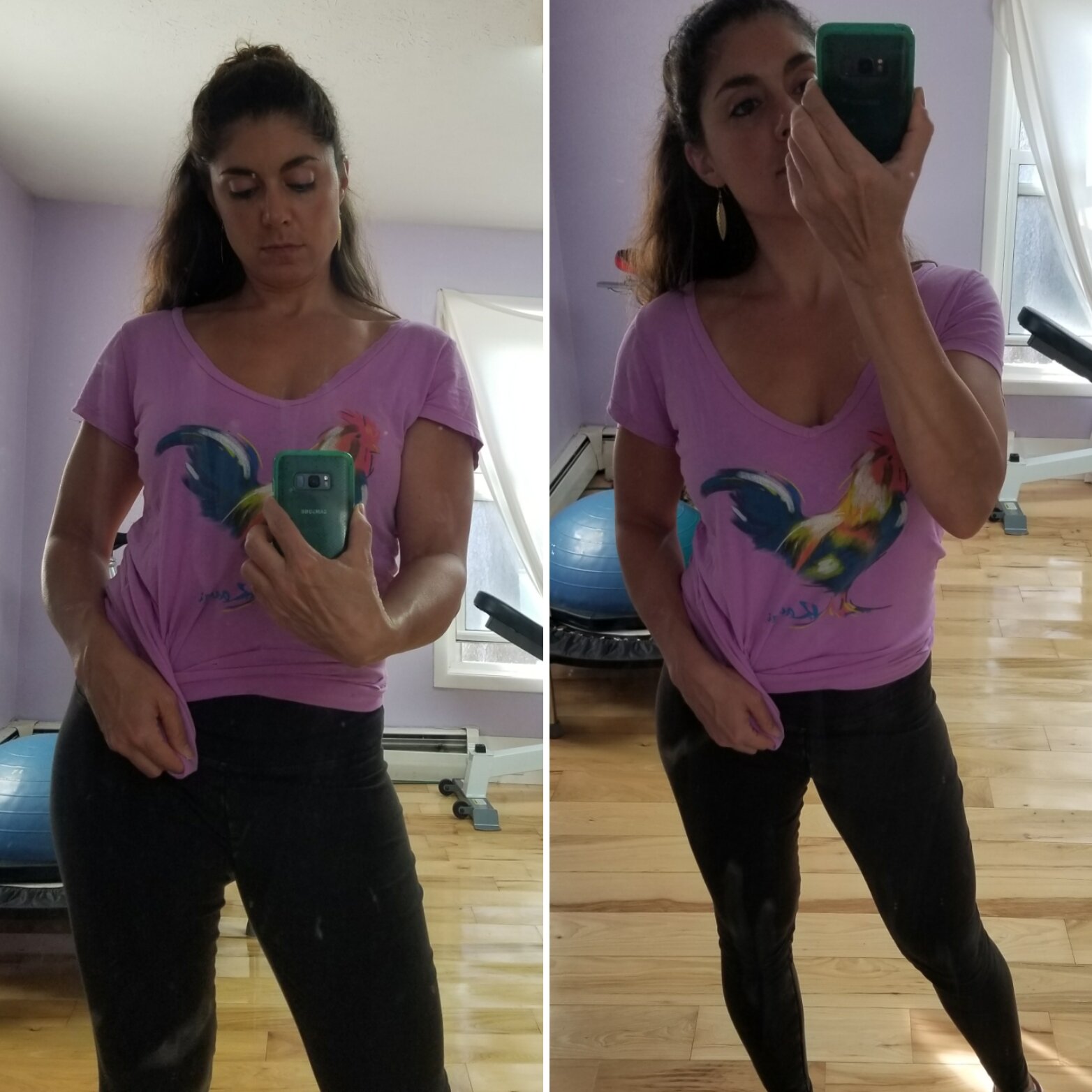
Your position relative to the camera lens is just as important as the equipment being used. Shooting from a low angle is a common mistake that contributes to the idea that the camera adds 10 pounds, as it forces the lens to exaggerate the chin and neck area. Alternatively, angling your body slightly away from the camera can create a slimmer silhouette.
I have learned through trial and error that shifting your weight to the back foot and turning your shoulders slightly can completely transform a portrait. These small adjustments prevent the camera from capturing your widest point head-on. By understanding these simple angles, you can stop worrying about whether the camera adds 10 pounds and start focusing on your best poses.
Source: kellybailey.fit
Frequently Asked Questions of Does the Camera Add 10 Pounds
Is the 10 pound rule always true?
The rule is not a scientific law but rather a common observation based on lens distortion and lighting. Depending on the camera settings, the camera might add more weight or even make you appear slimmer than you are.
How can I look thinner in photos without posing?
You can look thinner by using soft lighting and ensuring the camera is at eye level or slightly above. These techniques help maintain your natural dimensions and prevent the distortions that make the camera adds 10 pounds effect worse.
Why do smartphones make me look different than a professional camera?
Smartphones typically use wide-angle lenses that are prone to barrel distortion, which stretches the edges of the frame. Professional cameras use lenses that compress depth more naturally, creating a more realistic image.
Does the camera add 10 pounds to everyone?
It affects people differently depending on their facial structure and how they are positioned in the frame. Those with more prominent features may see less distortion than others, but everyone experiences some level of flattening.
Can photo editing remove the 10 pound effect?
Yes, basic editing tools can adjust contrast and shadows to restore depth to an image. However, taking the photo correctly from the start is always better than relying on heavy digital manipulation.
Conclusion
The idea that the camera adds 10 pounds is a result of optical physics rather than a flaw in your appearance. By understanding how focal lengths, lighting, and angles influence your photos, you can regain control over how you are captured on film. Embrace the fact that a camera is simply a tool that records a specific version of reality, not the final word on your beauty or health. Experiment with your angles and lighting the next time you step in front of a lens to see the difference for yourself. If you found these tips helpful, share this guide with a friend who needs a confidence boost for their next photo session.
As an Amazon Associate, I earn from Qualifying Purchases.