
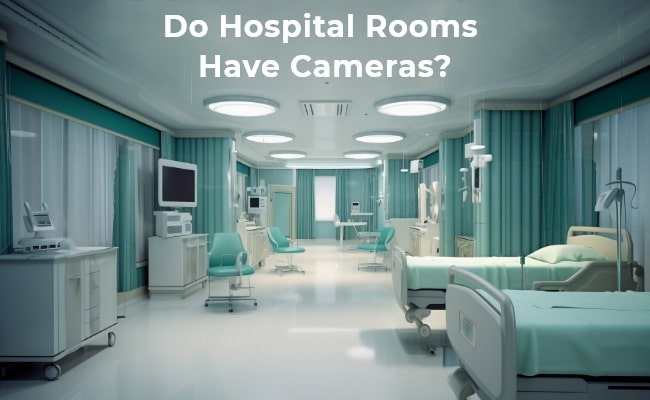
Do hospital rooms have cameras? The answer is not straightforward.
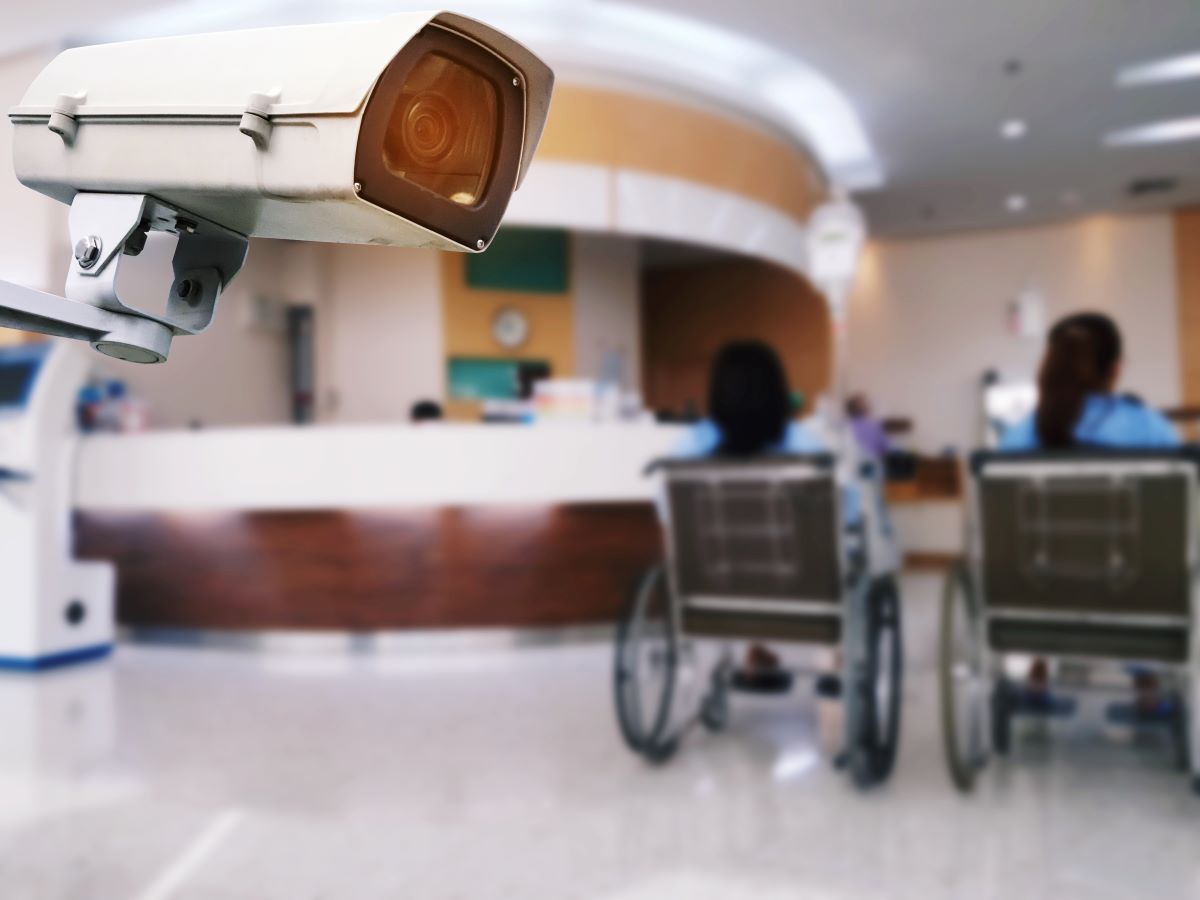
While some hospitals do use cameras for security and monitoring, many do not place them in patient rooms. Understanding the presence of cameras in hospitals involves exploring privacy, safety, and legal issues. Hospitals may install cameras in common areas, like hallways and waiting rooms, to enhance security.
However, placing cameras in private rooms raises concerns about patient privacy and comfort. Patients often seek a safe space for healing, and the thought of being monitored can create anxiety. This topic invites questions about the balance between safety and privacy. In this blog post, we will explore the reasons behind hospital surveillance, the regulations that guide it, and what patients should know about their rights regarding privacy in medical settings.
Credit: reolink.com
Introduction To Hospital Surveillance
Hospitals are places of healing. They care for patients and ensure safety. To enhance security, many hospitals use surveillance cameras. These devices help monitor activities within the facility. They can deter crime and improve patient care. However, questions arise about privacy. Are patients watched closely? How does this affect their comfort? Understanding hospital surveillance is important.
The Rise Of Cameras In Healthcare
Over the years, cameras have become common in hospitals. They are placed in hallways, waiting areas, and sometimes in patient rooms. The main goal is to ensure safety. Cameras can help prevent theft and monitor staff behavior. They also provide evidence in case of disputes.
Healthcare facilities face various challenges. They must protect patients and staff. Cameras can play a role in addressing these issues. Many hospitals install them to improve overall security. This rise in camera usage reflects a growing trend in healthcare.
Balancing Safety And Privacy
While cameras offer safety, they raise privacy concerns. Patients expect to feel secure in their rooms. They may worry about being watched during sensitive moments. Hospitals must find a balance. Policies are essential to protect patient privacy.
Some hospitals choose not to place cameras in patient rooms. This decision respects personal space. Patients deserve comfort and confidentiality. Clear guidelines help hospitals navigate these challenges. Understanding the laws surrounding surveillance is vital. Compliance with privacy regulations ensures trust between patients and healthcare providers.
The Purpose Of Cameras In Hospitals
Cameras in hospitals serve important roles. They enhance safety and security for patients and staff. Understanding their purpose helps clarify their presence in sensitive areas.
Monitoring For Patient Safety
Cameras help monitor patients in real-time. Staff can quickly respond to emergencies. This constant oversight ensures patients receive timely care.
Cameras also assist in observing vulnerable patients. Those who may be at risk for falls or other accidents benefit from this extra attention. It creates a safer environment for everyone.
Deterrence Of Crime And Theft
Cameras act as a deterrent against crime. The presence of cameras can prevent theft and vandalism. Knowing they are being watched often stops potential wrongdoers.
Hospitals store valuable equipment and medications. Cameras help protect these resources. They also promote a sense of security for patients and staff alike.
Privacy Concerns And Patient Rooms
When it comes to healthcare, privacy is a fundamental concern. The presence of cameras in hospital rooms raises important questions about the balance between security and patient confidentiality. While some argue that surveillance can enhance safety, others worry it may infringe on patient rights and dignity.
The Debate Over Privacy In Healthcare
The topic of cameras in patient rooms ignites a passionate debate. On one side, proponents claim that surveillance can deter misconduct and enhance patient safety. Yet, critics argue that constant monitoring may create an atmosphere of distrust and anxiety.
Many patients enter hospitals during vulnerable times. They expect a safe haven where personal experiences and medical conditions remain private. How would you feel knowing your most intimate moments were being recorded?
Patients’ Rights Under Surveillance
Patients have specific rights when it comes to their privacy. Under laws like HIPAA, healthcare providers must protect patient information, including visual data. This means hospitals need to tread carefully when installing cameras.
For instance, if a camera captures a private conversation or medical procedure, it could lead to a violation of privacy. Imagine being in a hospital bed, discussing your condition with a doctor, only to find out someone else was watching. It’s crucial to ensure that patient rights are upheld, even in the name of safety.
Ultimately, the presence of cameras in hospital rooms should be approached with sensitivity. Hospitals must clearly communicate their surveillance policies to patients. Transparency can help alleviate concerns and foster trust between patients and healthcare providers.
What do you think? Should hospitals prioritize safety over privacy, or should patient rights take precedence? Your opinion matters in this ongoing conversation.
Legal Implications Of Cameras In Patient Care
Cameras in hospital rooms raise important legal questions. While they can enhance safety, privacy concerns must be addressed. Regulations, like HIPAA, guide how hospitals manage video footage to protect patient rights and ensure compliance. Understanding these implications is crucial for both patients and healthcare providers.
The use of cameras in hospital rooms raises important legal considerations. While the intent behind surveillance may be to enhance patient safety and security, it also brings forth questions about privacy, consent, and compliance with laws. Understanding these legal implications is crucial for hospitals, patients, and their families.
Hipaa Compliance And Video Surveillance
The Health Insurance Portability and Accountability Act (HIPAA) is a key regulation that affects how hospitals manage patient information, including video footage.
Hospitals must ensure that any surveillance system does not violate patient privacy rights.
If cameras are present, they must be positioned in a way that avoids capturing sensitive medical information.
Failing to comply with HIPAA can lead to severe penalties, including fines and legal action.
You might wonder how hospitals balance surveillance with privacy.
A clear policy and proper training for staff are essential to navigate this complex landscape.
State And Local Laws Affecting Camera Use
Beyond HIPAA, state and local laws also govern the use of cameras in hospital settings.
These regulations can vary significantly, leading to confusion about what is permissible.
In some states, explicit consent from patients or their families may be required before installing cameras.
Knowing the specific laws in your area can prevent misunderstandings and potential legal issues.
Have you ever considered how these laws impact your hospital experience?
Hospitals must stay informed about these regulations to avoid legal pitfalls and maintain trust with their patients.
By being aware of both HIPAA and local laws, you can better understand your rights and the hospital’s responsibilities regarding surveillance.
Video Surveillance In Specialized Areas
Hospitals often use video surveillance in specialized areas. This includes surgery rooms and intensive care units. The main goal is to enhance safety and security. However, this raises many questions about privacy and ethics.
Understanding the purpose of these cameras is important. They can help in monitoring staff behavior. They also assist in protecting patients. But, where should hospitals draw the line?
Cameras In Surgery Rooms
Many hospitals have cameras installed in surgery rooms. These cameras often provide a bird’s-eye view. They help surgical teams during complex procedures. Some cameras are fixed to the lights above the operating table.
Others are part of the instruments used during surgery. These cameras allow surgeons to see inside the body. This is especially useful for minimally invasive surgeries. However, recorded footage usually stays within the room.
Educational Benefits Vs. Legal Liabilities
Cameras in surgery rooms offer educational benefits. Medical students can learn from recorded surgeries. They can study techniques and outcomes in detail.
Yet, these same cameras can create legal concerns. If a mistake happens, footage may be used in court. Hospitals must balance education with patient privacy. They should ensure that footage is not misused.
Hipaa And Hospital Security Cameras
Hospitals often use security cameras to enhance safety. These cameras help monitor patients and staff. They also deter crime and ensure proper conduct. However, privacy concerns arise. The Health Insurance Portability and Accountability Act (HIPAA) plays a vital role here. It governs how hospitals manage patient information. This includes video footage captured by security cameras.
HIPAA aims to protect patient privacy. Hospitals must ensure that cameras do not violate this privacy. Any video footage that contains identifiable patient information can be sensitive. Hospitals must be cautious in how they use this footage.
When Surveillance Crosses The Line
Surveillance can become problematic. Cameras placed in patient rooms can intrude on privacy. Patients expect confidentiality during their hospital stay. If cameras capture personal moments, it may violate HIPAA. Hospitals must avoid placing cameras in private areas like bathrooms or changing rooms. This ensures patients feel safe and respected.
Inappropriate use of footage raises legal issues. Hospitals must clearly define camera usage policies. They should inform patients about the presence of cameras. Transparency builds trust and reduces anxiety.
Implementing Compliant Security Measures
Hospitals can implement security measures while respecting privacy. First, they should limit camera placement to common areas. This includes hallways and waiting rooms. These areas often have less expectation of privacy.
Next, hospitals must train staff on privacy laws. They should understand how to handle video footage appropriately. Regular audits can ensure compliance with HIPAA. Proper storage and access controls protect sensitive information.
Lastly, hospitals must have clear policies. Patients should know how to access their footage. They should also understand how long footage is stored. Effective communication ensures compliance and builds patient trust.
Patients’ Access To Surveillance Footage
When it comes to hospital surveillance, the presence of cameras raises questions about patients’ access to footage. Understanding your rights regarding this surveillance is crucial. Many patients wonder if they can view the video footage that may contain their own care experience.
Rights To Personal Video Data
You have a right to access your personal video data, but this can depend on several factors. Hospitals must comply with laws like HIPAA, which protects your privacy. However, sharing video footage can be complicated because it might also capture other individuals, including staff and other patients.
Each hospital has its own policy regarding video access. Some may allow you to view footage of your care, while others might limit access to protect the privacy of others. Knowing your rights is the first step in understanding how to navigate these policies.
The Process Of Requesting Footage
Requesting surveillance footage typically involves a formal process. Start by contacting the hospital’s administration or patient services department. They will guide you through the necessary steps and paperwork.
Be prepared to provide specific details about the date and time of the footage you wish to access. This will help the hospital locate the correct video. Additionally, be aware that there may be a waiting period as they review your request.
It’s important to ask about any restrictions that may apply. Hospitals might not release footage immediately or at all if it compromises the privacy of other patients. Understanding this process ensures you are well-informed and prepared to advocate for your rights.
Have you ever considered what kind of footage might be recorded during your hospital stay? Knowing the protocols in place can empower you to seek the information you deserve.
Retention Of Hospital Video Footage
The retention of hospital video footage raises important questions about privacy, security, and legal obligations. Hospitals often install cameras to enhance patient safety and monitor activities within their premises. However, how long these recordings are kept and the protocols surrounding them can vary significantly.
Duration And Storage Of Surveillance Records
Most hospitals have set policies regarding how long they retain video footage. Typically, surveillance records are stored for a duration ranging from 30 days to several months.
- 30 days: This is common for routine surveillance footage.
- 90 days: Footage may be kept longer if there are specific incidents that warrant it.
- Legal considerations: In cases of ongoing investigations, hospitals might hold onto footage until the matter is resolved.
Storage methods also play a crucial role. Video footage is usually saved on secure servers, ensuring that access is restricted to authorized personnel only. This helps protect sensitive information and patient privacy.
Protocols For Footage In Legal Investigations
When legal investigations arise, hospitals must follow strict protocols regarding video footage. If an incident occurs that could lead to legal action, hospitals are required to preserve the relevant recordings.
They typically notify their legal teams immediately to ensure compliance with all regulations. This proactive approach helps safeguard against potential liability and ensures that evidence is available if needed.
Do you feel secure knowing that hospitals have protocols in place for video retention? Understanding these practices can enhance your trust in the healthcare system. It’s crucial for patients and their families to be aware of how their privacy is protected while ensuring that safety measures are effectively implemented.
Future Of Surveillance In Healthcare
The future of surveillance in healthcare is rapidly changing. As technology advances, hospitals are exploring new ways to enhance patient safety and improve care. This raises important questions about privacy and the ethical implications of monitoring patients.
Technological Advancements
Emerging technologies are shaping how hospitals use surveillance. High-definition cameras and artificial intelligence are becoming standard in healthcare settings.
- Smart cameras can detect unusual behavior, such as falls or distress.
- AI can analyze footage in real-time, alerting staff to emergencies immediately.
Imagine a scenario where a nurse receives an instant notification about a patient in distress, allowing for a timely response. This could be a game-changer in critical situations.
Wearable health technology is also on the rise. Devices that monitor vital signs can integrate with camera systems for a comprehensive view of a patient’s condition.
Evolving Policies On Patient Privacy
As surveillance technology grows, so do concerns about patient privacy. Hospitals are under pressure to balance safety with the right to privacy.
- New policies are emerging to regulate the use of cameras in patient rooms.
- Many facilities now require informed consent before installing cameras.
This shift ensures that patients are aware of their surroundings and can make informed choices about their care. It’s a crucial step in building trust between patients and healthcare providers.
You might wonder how hospitals can maintain transparency while ensuring safety. Open communication about surveillance practices can help address these concerns effectively.
In this evolving landscape, it’s essential to keep patient rights at the forefront. The challenge lies in creating a secure environment while respecting individual privacy.
Credit: www.intelycare.com
Frequently Asked Questions
Can Hospitals Put Cameras In Rooms?
Yes, hospitals can install cameras in rooms, primarily for safety and monitoring. However, they must comply with privacy laws, such as HIPAA, to protect patient confidentiality. Cameras are typically placed in public areas, but some may be used in private rooms under specific circumstances.
How Long Do Hospitals Keep Video Footage?
Hospitals typically retain video footage for 30 to 90 days. This duration may vary based on state laws and specific hospital policies. In cases of legal investigations, footage may be kept longer until the issue is resolved. Always check with the hospital for their specific retention policies.
Are There Video Cameras In Surgery Rooms?
Yes, some surgery rooms have video cameras. These cameras assist the surgical team by providing views for better operation. Typically, recorded footage remains within the operating room and isn’t broadcast elsewhere. They serve educational purposes and enhance surgical safety.
Are Cameras A Hipaa Violation?
Cameras are not inherently a HIPAA violation if used for security purposes. However, they can violate HIPAA if they invade patient privacy or capture private health information. Hospitals must ensure compliance with HIPAA guidelines when installing and monitoring cameras.
Conclusion
Understanding whether hospital rooms have cameras is important for patients and families. Hospitals often install cameras in public areas for safety and security. Privacy concerns exist, especially in private patient rooms. Regulations and laws guide how hospitals use surveillance. Patients should ask about camera policies for their peace of mind.
Overall, hospitals aim to balance safety and patient privacy. Awareness of these issues helps patients feel more secure during their stay. Always communicate any concerns with hospital staff. A transparent approach fosters trust and comfort for everyone involved.
As an Amazon Associate, I earn from Qualifying Purchases.