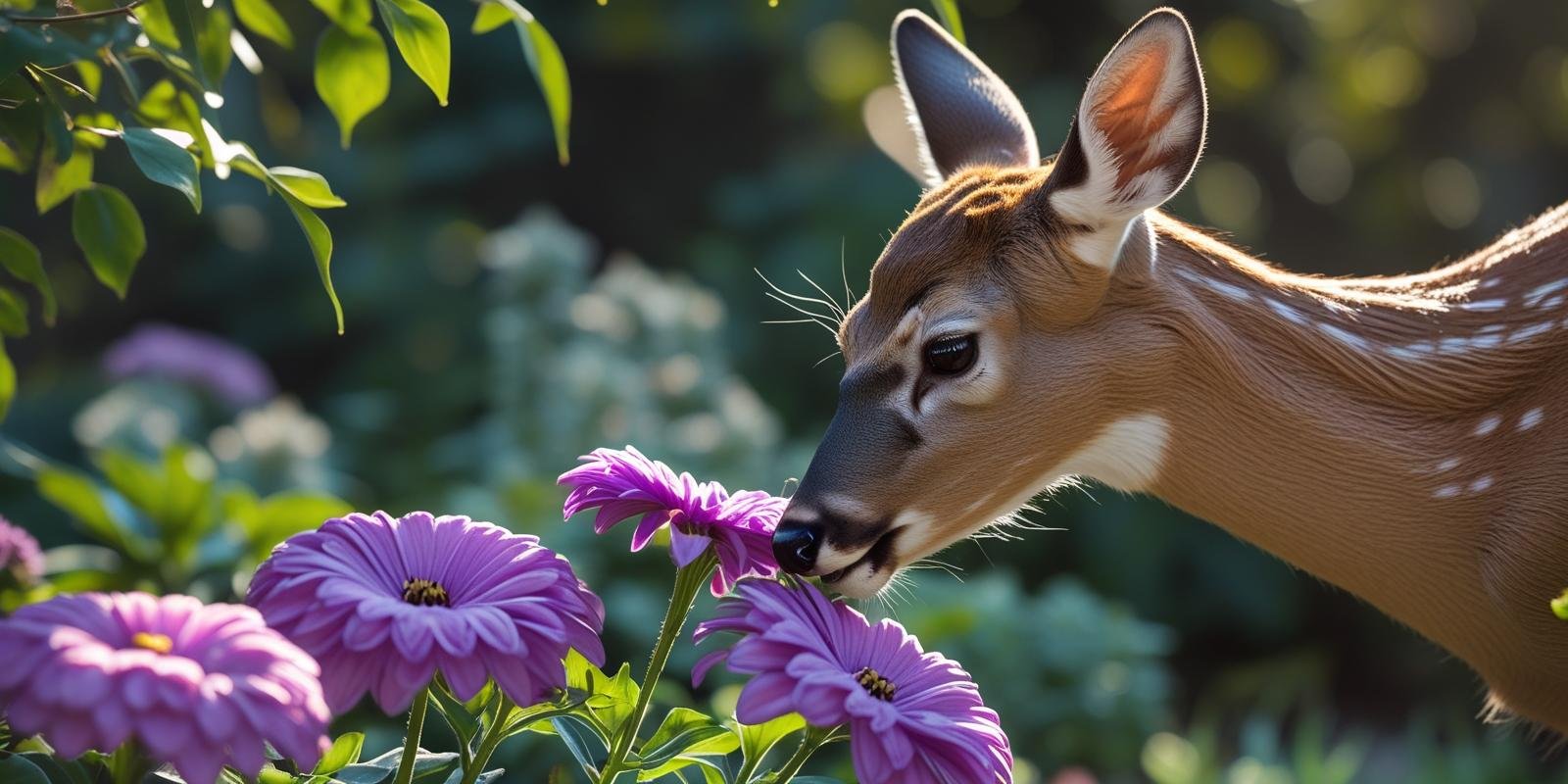
Yes, deer do eat mums. These beautiful flowers attract deer, especially when other food is hard to find.
Mums, or chrysanthemums, are popular for their vibrant colors and hardy nature. Gardeners love them for fall displays. But these flowers can also become a tasty treat for deer. Understanding deer behavior is essential for anyone who enjoys gardening. Deer are opportunistic feeders, meaning they will munch on whatever is available.
This can lead to frustration for those who want to keep their gardens intact. In this blog post, we’ll explore whether deer eat mums, why they find them appealing, and ways to protect your plants from hungry deer. Learn how to keep your garden blooming beautifully all season long.
Deer And Mums: A Garden Dilemma
Deer are known to eat mums, especially when other food is scarce. These flowers attract deer due to their fresh availability and mild taste. Gardeners often face challenges in protecting their mums from hungry deer.
### Deer and Mums: A Garden DilemmaIf you love gardening, you probably know that creating a beautiful landscape can come with its challenges. One such challenge is dealing with deer, especially when they set their sights on your cherished chrysanthemums, or mums. These vibrant flowers can be an appealing addition to any garden, but they also attract deer like a magnet.How do you protect your mums while still enjoying their beauty? Let’s dive into the dining habits of deer and what makes mums so appealing to them.Deer Dining Habits
Deer are opportunistic feeders. They will eat whatever is available, particularly when food sources are limited.Their diet changes with the seasons, but they often gravitate towards tender plants. Mums fall into this category because they are soft and nutritious.You might find it surprising, but deer often munch on plants you wouldn’t expect them to touch. I once noticed a deer nibbling on some of my prized marigolds, which I thought were deer-resistant!Why Mums Attract Deer
Mums attract deer for several reasons. First, they bloom in the fall when other food sources are dwindling. This makes them an easy target for hungry deer.Second, their vibrant colors and fresh foliage are visually appealing. Deer are drawn to bright colors, thinking they signal a nutritious meal.Lastly, the relatively mild taste of mums makes them an inviting choice. If you’ve ever tasted a flower, you know how bland they can be, making them even more palatable for deer.What measures have you taken to protect your garden? Understanding why deer are drawn to your plants can help you devise effective strategies to keep them at bay.The Truth About Mums As Deer Food
Understanding whether deer eat mums can be a game-changer for your garden. Many gardeners wonder if these beautiful fall flowers are safe from hungry deer. The truth is, while mums can add vibrant colors to your landscape, they also attract deer when other food sources are limited.
Mums In The Deer Diet
Yes, deer do eat mums. They are opportunistic feeders, meaning they will munch on whatever is available. Mums stand out because of their bright blooms and relatively mild taste, making them appealing during certain times of the year.
During autumn, when food is scarce, deer are more likely to seek out these flowers. If you’ve noticed your mums disappearing overnight, you’re not alone. Many gardeners have faced this frustrating reality.
Factors Influencing Deer Choices
Several factors influence a deer’s decision to feast on your mums. First, the availability of other food sources plays a significant role. If acorns or other natural foods are sparse, deer will turn to gardens for sustenance.
The location of your garden can also make a difference. Gardens near wooded areas or deer trails are more susceptible to deer browsing. Have you considered adding barriers or planting deer-resistant species nearby to protect your beloved mums?
Lastly, the scent and taste of the plants matter. Deer tend to avoid strongly scented or bitter plants. If your garden is filled with these, it may deter them from munching on your prized mums.
Protecting your mums may require a few strategies, but understanding deer behavior is the first step. What tactics have you tried to keep deer away, and how successful have they been?
Garden Myths Unveiled
Many gardeners worry about deer eating their plants. Mums are often a target. Let’s clear up some myths surrounding this topic. Understanding deer behavior helps protect your garden.
Common Misconceptions
Some believe deer will only eat specific plants. Others think deer avoid flowers entirely. These ideas can lead to false security in the garden.
People often think deer won’t touch mums. They assume these flowers are safe. In truth, deer will munch on almost any available plant.
Reality Of Deer Behavior
Deer are opportunistic feeders. They eat whatever is easy to find. When food is scarce, they will eat mums.
Mums appeal to deer due to their texture and taste. Fresh blooms attract these animals. Gardens without barriers are at risk.
To protect your mums, consider fencing. Strong scents can also deter deer. Using natural sprays or repellents may help, but results can vary.
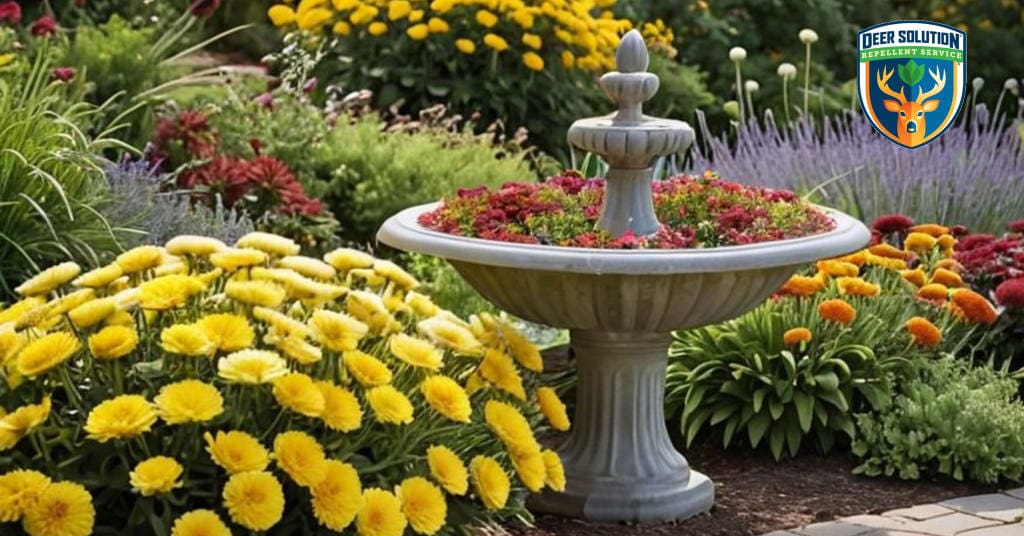
Credit: www.deersolution.com
Protecting Mums From Deer: Effective Strategies
Deer can be a real threat to your beautiful mums. These plants attract deer, especially when other food sources are low. To keep your mums safe, consider a few simple strategies. Fencing and repellents can help protect your flowers effectively. Let’s explore these methods.
Fencing Solutions
Fencing is one of the best ways to keep deer out. A strong, tall fence can act as a barrier. Aim for at least eight feet high. This height can prevent deer from jumping over.
Choose materials that deer cannot easily break through. Chain link or wooden fences work well. Ensure there are no gaps at the bottom. Deer can squeeze through small openings.
Consider using electric fencing for extra security. This can be effective in deterring deer. Just remember to keep it well-maintained.
Using Repellents
Repellents can also help keep deer away from your mums. Look for natural options like garlic or hot pepper sprays. These smells can deter deer from approaching.
Spray repellents around the base of your mums. Reapply every few weeks, especially after rain. This will keep the scent strong.
Plant strongly scented flowers nearby. Marigolds and lavender can act as natural deterrents. The strong smells may keep deer at bay.
Companion Planting For Deer Resistance
Companion planting can help keep deer away from your garden. By choosing the right plants, you can create a barrier. This barrier makes your garden less appealing to deer. Certain plants have scents or tastes that deer dislike. Planting them near your mums may protect them.
In addition to protection, companion plants can boost growth. They can improve the health of your garden. This method allows you to grow beautiful flowers while deterring deer.
Plants That Deter Deer
Some plants naturally repel deer. These include strong-smelling herbs and flowers. Marigolds are one option. Their scent can drive deer away.
Lavender is another great choice. Its fragrant oils make it unappealing to deer. Other effective plants are mint, sage, and rosemary. Plant these near your mums to help keep deer at bay.
Additionally, consider using plants with thorny or fuzzy leaves. Examples include barberry and lamb’s ear. Deer tend to avoid these textures. Incorporating these plants can create a more deer-resistant garden.
Designing A Deer-resistant Garden
Designing your garden for deer resistance is simple. Start by grouping deer-resistant plants together. This helps create a protective zone for your more vulnerable plants.
Use physical barriers like fences or netting. These can prevent deer from entering your garden. Ensure the barriers are tall enough, as deer can jump high.
Consider planting in layers. Taller plants can shield smaller ones. This strategy can help protect your mums from deer browsing.
Finally, maintain your garden regularly. Keep it tidy and remove any dead plants. A well-kept garden is less attractive to deer.
Credit: www.laurensgardenservice.com
Physical Barriers: Beyond The Basic Fence
Keeping deer away from your mums can be a challenge. A simple fence may not always do the trick. Deer are skilled at finding ways around basic barriers. To protect your garden, consider advanced methods. These options can offer more effective protection against hungry deer.
Advanced Fencing Techniques
Standard fences often fail against determined deer. Taller fences can make a difference. A fence of at least eight feet high is ideal. Adding a top section that leans inward can help. This angle makes it harder for deer to jump over.
Electric fencing is another option. It delivers a harmless shock. This can deter deer from attempting to breach your garden. Installing a combination of solid and electric fencing can work well. Double-layered fencing creates a more daunting barrier.
Alternative Barrier Methods
Physical barriers can take many forms. Use netting or mesh to cover your mums. This keeps deer from reaching the plants. Make sure the netting is tall enough. It should reach above the plants to block access.
Consider using garden stakes with reflective tape. The movement and light can scare deer away. Planting thorny shrubs around your garden can also help. Deer prefer to avoid prickly plants.
Creating a barrier with strong scents can work too. Using garlic or hot pepper sprays can deter deer. Spray these around your garden to keep them at bay. Try combining these methods for the best results.
Natural Deterrents: Scents And Sprays
Deer are known to eat mums, especially when other food is scarce. To protect your flowers, consider using natural deterrents like strong scents and sprays. Options include garlic oil, hot pepper spray, or planting aromatic plants nearby to keep deer at bay.
Natural deterrents like scents and sprays can be your best allies in keeping deer away from your cherished mums. Deer are known for their keen sense of smell, which means they can be easily deterred by certain scents. Utilizing natural repellents not only protects your plants but also promotes a healthier garden environment.Homemade Repellent Recipes
Creating your own deer repellent is simple and cost-effective. Here are a few recipes you can try:– Garlic Spray: Blend a few garlic cloves with water. Strain the mixture and spray it around your mums. The strong smell of garlic often repels deer. – Hot Pepper Solution: Combine water with crushed red pepper flakes and let it steep overnight. Strain and spray the solution on your plants. The spicy scent can deter deer from munching on your flowers.– Essential Oils: Mix water with essential oils like peppermint or lavender. Spray around the perimeter of your garden. These strong scents can make your garden less appealing to deer.Make sure to reapply these sprays after rain or heavy dew for maximum effectiveness.Commercially Available Options
If DIY solutions aren’t your style, there are many commercial deer repellents available on the market. Look for products that contain natural ingredients.– Liquid Fence: This is a popular choice made from putrescent egg solids and garlic. It creates a barrier of scent that deer find unappealing.– Deer Out: This repellent uses a blend of natural ingredients to mask the scent of your plants. It’s easy to apply and lasts for several weeks.– Critter Ridder: This spray combines scents that deter deer and other animals. It’s effective and can be used on a variety of plants.Have you noticed a particular scent that seems to keep deer at bay? Experimenting with different methods can help you find the best solution for your garden. Whether you opt for homemade recipes or commercial products, taking proactive steps will help protect your mums and ensure they thrive.Deer-resistant Alternatives To Mums
If you’re tired of deer snacking on your beloved garden mums, it’s time to consider some deer-resistant alternatives. Fortunately, there are plenty of beautiful flowers that can thrive in your garden without becoming a deer buffet. Let’s explore some great options that will keep your landscape vibrant while deterring those pesky visitors.
Top Deer-resistant Flowers
Choosing the right flowers can make all the difference. Here’s a list of some top deer-resistant flowers that not only look great but also keep deer at bay:
- Marigolds: Their strong scent keeps deer away.
- Lavender: The fragrant oils make it unappealing to deer.
- Snapdragons: The tough leaves are a turn-off.
- Bee Balm: Its minty aroma discourages deer browsing.
- Catmint: A favorite for its vibrant blooms and resistance.
Have you tried growing any of these flowers before? If so, how did they perform in your garden? Share your experiences!
Strategic Garden Planning
Effective garden planning can enhance your success in deterring deer. Consider grouping your deer-resistant plants together. This tactic not only creates a stunning visual impact but also makes it less likely for deer to venture into your garden.
Position these plants near the perimeter of your garden. This way, they act as a natural barrier. If you plant them alongside your more vulnerable plants, it can help protect them as well.
Incorporating physical barriers, like fences or netting, is also a wise strategy. Combining these methods can create a robust defense against hungry deer.
What changes will you make in your garden layout this season? Taking the time to plan can save your plants and enhance your outdoor space.
Encouraging Deer To Dine Elsewhere
Deer can be charming visitors in nature, but they often become unwelcome guests in our gardens, especially when it comes to munching on your beautiful mums. If you want to keep these lovely flowers safe, it’s crucial to implement strategies that encourage deer to dine elsewhere. Here are some effective methods to protect your garden and maintain your floral displays.
Feeding Strategies
One of the best ways to keep deer away from your mums is by distracting them with other food sources. Plant deer-favorite snacks, like clover or alfalfa, in a designated area. This can lure them away from your prized flowers.
Consider using strong-scented plants as companions for your mums. Herbs like rosemary and lavender can mask the aroma of your flowers and make them less appealing to deer. You might also try applying natural deterrents, such as garlic or hot pepper sprays, around the perimeter of your garden.
- Plant deer-resistant flowers like marigolds or snapdragons.
- Use physical barriers, like fences or mesh netting, to protect your garden.
- Rotate your plants to confuse and deter deer from returning.
Attracting Natural Predators
Encouraging natural predators is another effective way to keep deer at bay. Birds of prey, such as hawks and owls, can significantly reduce the deer population in your area. Installing birdhouses or perches can help attract these helpful hunters.
Consider adding features like a small pond or water source to your garden. This can attract not only birds but also other wildlife that may help control the deer population. You may find that a balance in your ecosystem helps keep deer from frequenting your garden.
Do you currently see deer in your garden? What strategies have you tried? Engaging with your environment can lead to surprising solutions. By implementing these feeding strategies and attracting natural predators, you can help protect your beloved mums and maintain a vibrant garden.
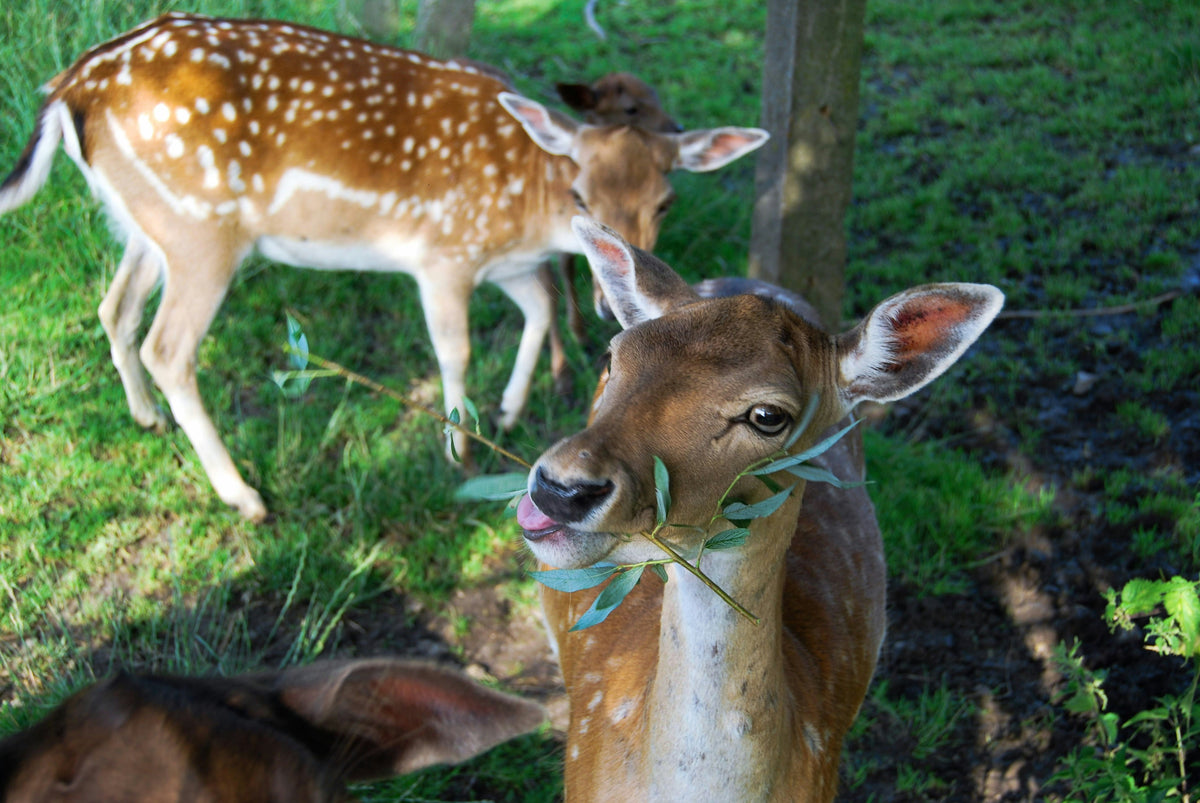
Credit: messinas.com
Monitoring And Adapting Garden Defenses
Deer often eat mums, especially when other food is scarce. To protect your garden, monitor deer activity regularly. Adapting defenses, like using fencing or planting strongly scented flowers, can help keep deer at bay and preserve your beloved mums.
Monitoring and adapting your garden defenses is crucial for keeping your prized mums safe from deer. These beautiful flowers are often a target for hungry deer, especially when other food sources are scarce. By staying vigilant and adjusting your strategies, you can create an environment that deters these opportunistic feeders.Regular Garden Surveillance
Regularly checking your garden is key to protecting your mums. Walk through your garden daily, especially during dawn and dusk when deer are most active. Look for signs of deer activity, such as tracks or nibble marks on plants.You might notice deer browsing on other plants before they reach your mums. Early detection allows you to take action before they make a meal of your flowers.Consider setting up motion-activated cameras to monitor deer movements. This can provide valuable insights into their feeding habits and help you adjust your defenses accordingly.Adapting To Deer Behavior
Understanding deer behavior is essential for effective garden management. Deer are creatures of habit and often return to areas where they’ve previously found food. If you notice consistent damage to your mums, it might be time to modify your approach.Try planting deer-resistant plants around your garden. Strongly scented flowers like marigolds or lavender can create a natural barrier. Deer are less likely to venture into areas where they encounter unpleasant smells.Using physical barriers, such as fencing or netting, can also protect your plants. Ensure that fences are at least 8 feet tall, as deer can easily jump lower barriers.Have you tried using repellents made from natural ingredients? Spraying your mums with a mixture of garlic or hot pepper can make them less appealing to deer. Regularly reapply these treatments, especially after rain.By being proactive and adaptable, you can keep your garden thriving and your mums safe from hungry deer. What strategies have you found most effective in protecting your plants?Frequently Asked Questions
How Do You Keep Deer From Eating Your Mums?
To keep deer from eating your mums, install a fence around your garden. Plant strongly scented flowers nearby to deter them. Use natural sprays made from garlic or hot peppers. Applying essential oils around the plants can also help keep deer away.
Do Deer Eat Potted Mums?
Yes, deer eat potted mums. They are opportunistic feeders and will consume available plants, especially when food is scarce. Mums attract deer due to their fresh availability and mild taste. Protect your mums using fencing, repellents, or planting strongly scented plants nearby.
What Is The Most Deer-resistant Flower?
The most deer-resistant flower is the marigold. Its strong scent and bitter taste deter deer from feeding on it. Other options include lavender and coneflowers, which also resist deer due to their texture and aroma. Planting these can help protect your garden effectively.
How Do I Keep Animals From Eating My Mums?
To keep animals from eating your mums, install a fence around the garden. Use natural repellents like garlic or hot pepper sprays. Plant strongly scented flowers nearby to deter them. Regularly check for signs of damage and adjust your methods as needed for better protection.
Conclusion
Deer will eat your mums if they get the chance. These plants attract them, especially in areas with limited food. Protecting your garden is essential. Use fences or strong-scented plants to deter deer. Applying natural sprays can also help. Remember, keeping your mums safe requires a mix of methods.
By taking action, you can enjoy your beautiful flowers without worrying about deer munching on them. Stay proactive to keep your garden thriving and vibrant all season long.
As an Amazon Associate, I earn from Qualifying Purchases.