While you can technically kill a deer with a 22, it is highly unethical and illegal in most jurisdictions.
Over my years of hunting and spending time in the woods, I have seen many debates regarding the effectiveness of small-caliber rounds. The truth is that while a 22 rimfire carries enough kinetic energy to penetrate hide under specific conditions, it lacks the terminal ballistics necessary for a humane harvest. Using a 22 to hunt deer often leads to wounded animals that suffer unnecessarily, which is something no ethical hunter wants to experience. I have learned through trial and error that choosing the right tool for the job is the most important lesson in conservation and sportsmanship. Understanding why you should leave the 22 at home when chasing whitetails is essential for any responsible outdoorsman.

Source: youtube.com
Understanding Ballistics and Terminal Performance
The primary reason a 22 is insufficient for deer hunting is the lack of energy transfer. Deer are robust animals, and a ethical harvest requires a bullet that can penetrate deep enough to damage vital organs like the heart and lungs. A 22 long rifle bullet is lightweight and travels at velocities that simply cannot guarantee the depth of penetration required for a clean kill. In my experience, even at close range, the bullet often deflects off heavy bone or fails to create an adequate wound channel to ensure the deer drops quickly.
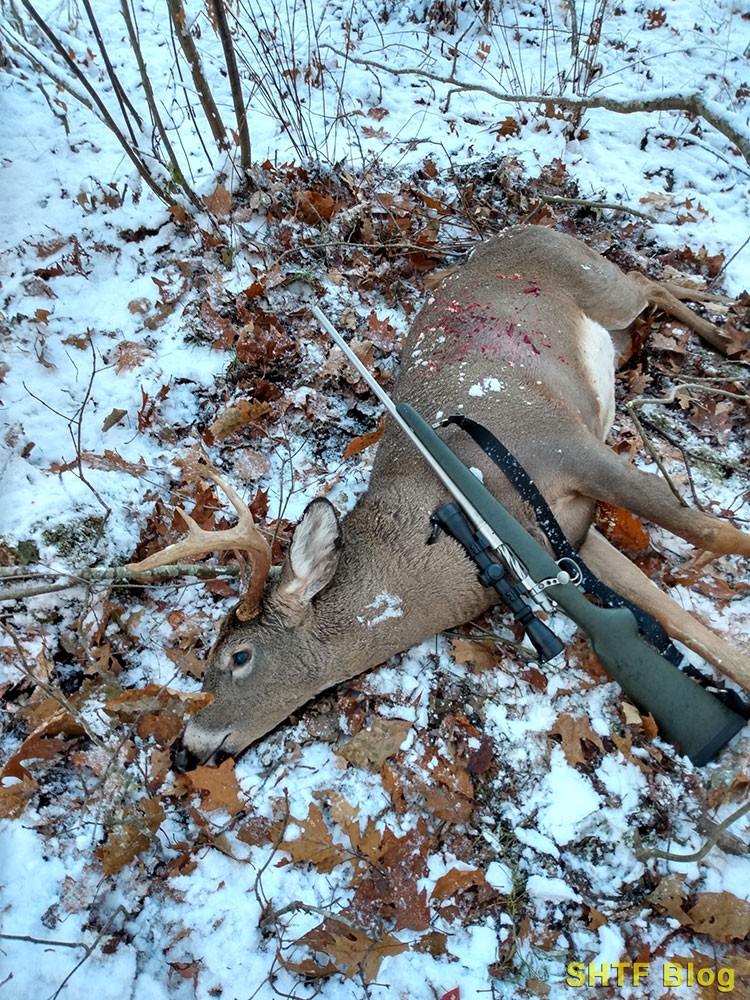
When we discuss hunting, we must prioritize the concept of knock-down power. This refers to the ability of a projectile to disrupt the central nervous system or cause massive hemorrhaging instantly. Because the 22 is a rimfire cartridge designed for small game like squirrels or rabbits, it does not have the mass or the expansion capabilities needed to put down a deer. Relying on such a small caliber usually leads to a blood trail that goes on for miles or, more likely, a lost animal.
Source: prepperpress.com
Legal and Ethical Considerations
Beyond the physical limitations of the caliber, you have to consider the law and the ethics of the sport. Most states and provinces have strict regulations defining the minimum caliber allowed for big game hunting. These laws are not arbitrary; they are based on decades of wildlife management research aimed at minimizing animal suffering. Using a 22 to hunt deer is a violation of these regulations in almost every region, and for good reason.
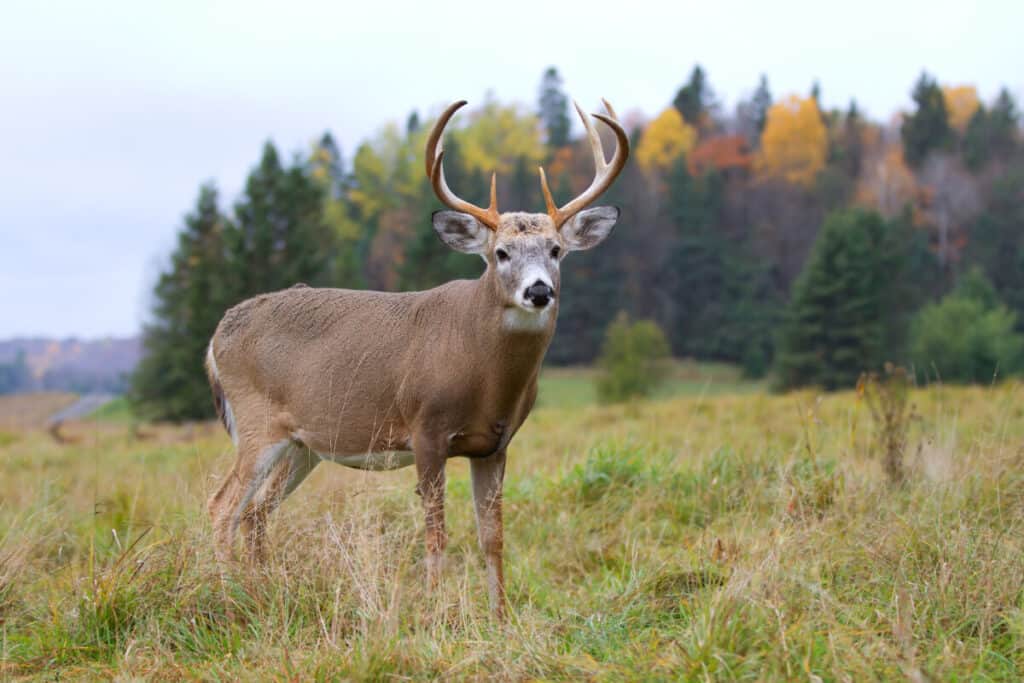
Ethical hunting is about showing respect for the game we pursue. As someone who has spent a lifetime in the field, I believe that if you cannot guarantee a clean and quick kill, you have no business taking the shot. The temptation to try unconventional methods exists, but the responsibility we hold toward wildlife outweighs the desire to test the limits of our equipment. Always check your local game commission handbook before heading out to ensure you are using a caliber that is both legal and effective for the species you are targeting.
Source: backfire.tv
Choosing the Proper Caliber for Deer
If you are new to deer hunting, you might feel overwhelmed by the variety of cartridges on the market. Instead of reaching for a 22, look into calibers specifically designed for medium to large game. Common and effective choices include the 243 Winchester, 308 Winchester, or 6.5 Creedmoor. These rounds are built to maintain stability and energy at longer distances, providing the stopping power needed for a clean, humane harvest.
When I started, I found that focusing on shot placement was easier when I knew my firearm had the right ballistics to back me up. Investing in a proper deer rifle allows you to focus on the hunt rather than worrying if your shot will be effective. Remember that hunting is about patience and preparation. By choosing the right gear, you demonstrate that you take the process seriously and value the health of the deer population.

Source: youtube.com
Frequently Asked Questions of Can You Kill a Deer With a 22
Is it legal to hunt deer with a 22 in any state?
Most states explicitly forbid using 22 rimfire ammunition for big game hunting due to its lack of power. You should always consult your local wildlife agency’s current hunting regulations to confirm the legal minimum caliber for deer in your area.
Will a 22 kill a deer if I get a perfect headshot?
While a 22 bullet could potentially penetrate a deer’s skull at very close range, it is extremely dangerous and unreliable. Even minor movements by the animal can cause you to hit the jaw or snout, leading to a slow and painful death for the deer.
What happens if I shoot a deer with a 22 and it runs away?
If you wound a deer with an inadequate caliber, it will likely run a significant distance before collapsing or surviving with a painful infection. This forces the hunter to track an animal that may never be recovered, which is a significant waste of natural resources.
Are there any high-powered 22-caliber rounds suitable for deer?
Some centerfire cartridges like the 223 Remington are occasionally used for deer, but they are often still considered too light and are illegal in many places. You must distinguish between rimfire 22 and centerfire 22-caliber rounds, though even then, larger calibers remain the industry standard for humane hunting.
Why do some people claim they have killed deer with a 22?
Historical accounts or stories of survival sometimes mention the use of small calibers, but these are often cases of necessity rather than sport hunting. These anecdotal stories do not represent ethical or modern hunting practices and should not be used as a guide for responsible sportsmen.
Conclusion
Deciding whether you can kill a deer with a 22 is a question of both physics and conscience. While the caliber might technically have the capacity to pierce skin, it lacks the terminal performance to respect the animal’s life and meet modern legal standards. As a hunter, your primary goal should always be to ensure a quick and clean harvest through proper shot placement and the use of appropriate, powerful equipment.
Prioritize learning about ballistics and the regulations in your specific hunting zone before you ever head into the woods. If you are passionate about the outdoors, take the time to acquire a rifle that is legally approved and specifically built for big game. Stay safe, respect the wildlife, and always keep the ethics of the sport at the forefront of your mind. If you found this guide helpful, feel free to share it with other hunting enthusiasts or leave a comment below about your own experiences in the field.
As an Amazon Associate, I earn from Qualifying Purchases.