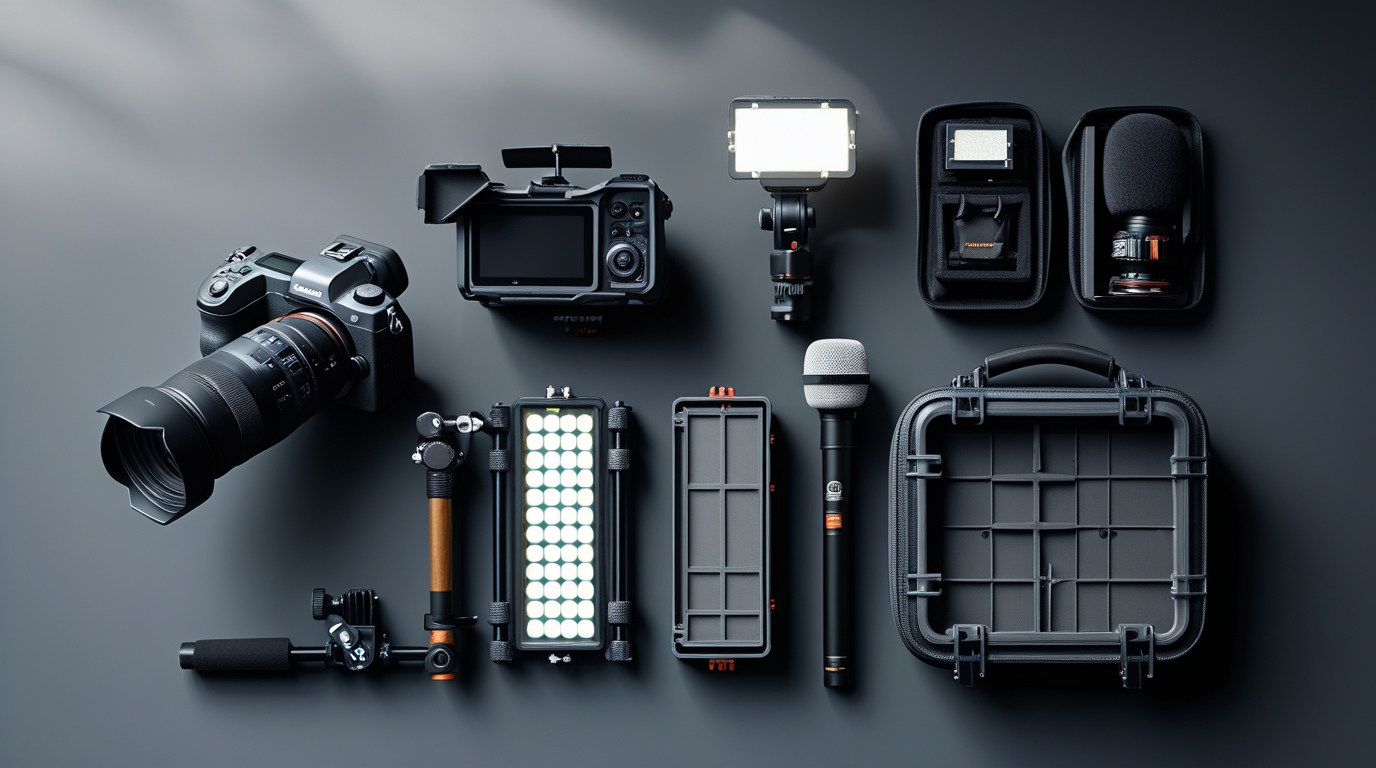
Capturing the essence of real-life stories demands the right camera gear. Documentaries need reliable, high-quality equipment.
Crafting a compelling documentary film is both an art and a science. The right camera equipment can make a world of difference. From powerful cameras to essential accessories, every piece plays a part in the storytelling process. Filmmakers must balance quality, durability, and functionality.
With countless options available, selecting the best gear can be overwhelming. This guide aims to simplify your decision-making. Discover key equipment that will elevate your documentary filmmaking experience. Whether you’re a seasoned filmmaker or a beginner, having the best tools is crucial for success. Let’s dive into the essentials that will help you create impactful, visually stunning documentaries.
Introduction To Documentary Filmmaking Gear
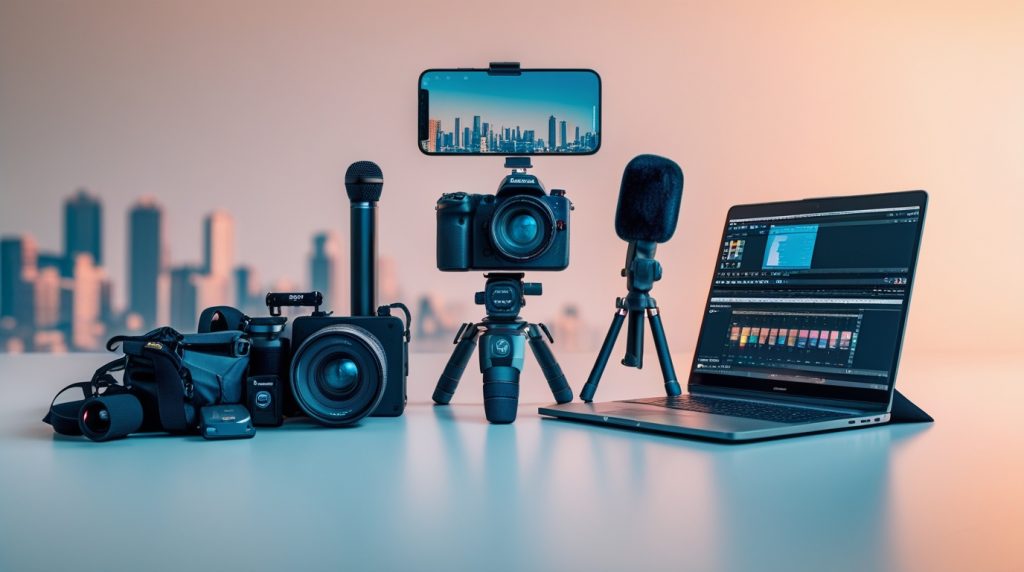
Documentary filmmaking requires the right tools to tell compelling stories. Selecting the best camera equipment ensures the footage looks professional. This guide covers essential gear for documentary filmmaking.
Purpose Of The Guide
This guide helps you choose the best camera equipment. It focuses on tools essential for documentary films. Proper gear improves the quality of your project.
Importance Of Quality Equipment
High-quality equipment captures clear and detailed footage. Viewers notice the difference. Good gear enhances the storytelling. It helps in recording crisp audio and sharp images.
Quality equipment performs well in different conditions. It works in low light, outdoors, and crowded places. Reliable gear reduces technical issues. It ensures a smooth filming process.
Choosing The Right Camera
Selecting the right camera for your documentary film is crucial. The camera you choose can impact your film’s quality and storytelling. There are several factors to consider, including types of cameras and top camera models. This guide will help you understand what to look for in a camera.
Types Of Cameras
There are different types of cameras suitable for documentary filmmaking. Each type has its advantages and disadvantages. Here are the main types:
- DSLR Cameras: These are versatile and offer great image quality. They are compact and easy to carry.
- Mirrorless Cameras: These are lighter and often have better autofocus. They also offer high-quality video.
- Camcorders: These are designed for video recording. They usually have better audio recording options.
- Cinema Cameras: These are high-end cameras used for professional filmmaking. They offer the best image quality and features.
Top Camera Models
Choosing a camera model depends on your budget and needs. Here are some top camera models for documentary filmmakers:
| Camera Model | Type | Key Features |
|---|---|---|
| Canon EOS 5D Mark IV | DSLR | 30.4 MP, 4K Video, Dual Pixel AF |
| Sony A7 III | Mirrorless | 24.2 MP, 4K HDR, Fast Autofocus |
| Panasonic HC-X1 | Camcorder | 4K Ultra HD, 20x Zoom, Professional Audio |
| Blackmagic URSA Mini Pro 4.6K | Cinema Camera | 4.6K Sensor, 15 Stops Dynamic Range, RAW Recording |
These models are popular among filmmakers. They offer a balance of quality, features, and price. Consider your specific needs and budget when selecting a camera.
Lenses For Documentary Filmmaking
Choosing the right lens is crucial for documentary filmmaking. The lens affects the story you tell. It impacts how the audience views your subject. Different lenses serve different purposes. Some are perfect for wide shots. Others are best for close-ups. The right lens can make your documentary shine.
Prime Vs. Zoom Lenses
Prime lenses have a fixed focal length. They offer sharp images and wide apertures. This means better performance in low light. They also create a shallow depth of field. This makes your subject stand out.
Zoom lenses have variable focal lengths. They are versatile and allow quick changes in framing. This is useful in fast-paced environments. Zoom lenses are heavier than prime lenses. They may also have smaller maximum apertures.
Recommended Lenses
For primes, consider the Canon EF 50mm f/1.8. It’s affordable and great in low light. The Sony FE 35mm f/1.8 is another good option. It offers sharp images and is lightweight.
For zooms, the Canon EF 24-70mm f/2.8 is versatile. It covers wide to medium telephoto ranges. The Sony FE 24-70mm f/2.8 is also excellent. It provides sharp images throughout its range.
Both prime and zoom lenses have their place in documentary filmmaking. Choose according to your needs and shooting style.
Essential Audio Equipment
Capturing great audio is crucial for any documentary film. Clear, crisp sound can make your story more engaging. It enhances the viewer’s experience. Let’s explore the essential audio equipment you need.
Microphone Types
Choosing the right microphone is key. Different types suit different needs. Shotgun mics are popular. They capture sound from a specific direction. Lavalier mics, or lapel mics, are small. They clip onto clothing. They are great for interviews. Handheld mics are another option. They are versatile and easy to use.
Top Picks For Audio Gear
The Rode NTG3 is a top shotgun mic. It delivers high-quality sound. The Sennheiser MKE 600 is another good choice. It is reliable and durable. For lavalier mics, consider the Rode SmartLav+. It connects to smartphones easily. The Sennheiser ew 112P G4 is a wireless option. It offers freedom of movement. The Shure SM58 is a trusted handheld mic. It is sturdy and versatile.
Don’t forget about audio recorders. The Zoom H5 is a solid choice. It is portable and user-friendly. The Tascam DR-40X is another excellent option. It provides great sound quality. These tools will help you capture the best audio for your documentary.
Lighting Equipment
Lighting is a crucial aspect of documentary filmmaking. It sets the mood, highlights subjects, and ensures your footage looks professional. Choosing the right lighting equipment can be challenging. This section will help you understand the differences between natural and artificial light, and guide you in selecting the best lighting kits.
Natural Vs. Artificial Light
Natural light is free, accessible, and creates a realistic look. It adds authenticity to your documentary. Filming during the golden hour, right after sunrise or before sunset, can give your footage a warm, soft glow. However, natural light can be unpredictable. Weather changes and the movement of the sun can affect your shoot.
Artificial light offers more control. You can adjust the intensity, direction, and color temperature. This consistency is crucial for indoor shoots or locations with poor lighting. Yet, setting up artificial lights can be time-consuming and may require additional equipment.
Best Lighting Kits
Investing in a good lighting kit can make a significant difference. Here are some top picks:
| Lighting Kit | Features | Price Range |
|---|---|---|
| Neewer 2-Pack Dimmable Bi-Color LED |
| $80-$120 |
| GVM 800D-RGB LED Studio Light |
| $250-$300 |
| Aputure LS C120D II |
| $700-$800 |
These kits are reliable and offer great value. Neewer’s kit is ideal for beginners. It is affordable and easy to use. GVM’s kit provides more advanced features, such as app control and full RGB. Aputure’s LS C120D II is perfect for professional shoots. It delivers high output and flexibility with modifiers.
Stabilization Tools
In documentary filmmaking, stability is key to capturing clear and engaging footage. Shaky footage can distract viewers and reduce the quality of your work. This is where stabilization tools come into play. They help you maintain smooth and steady shots, essential for professional results. Let’s explore some of the best stabilization tools for documentary filmmaking.
Tripods And Monopods
Tripods are a staple in the world of filmmaking. They provide a solid base for your camera, ensuring stability. Tripods come in various sizes and materials. Some have flexible legs for uneven surfaces. Investing in a sturdy tripod can make a significant difference in your footage quality.
Monopods are another useful tool. They are lighter and more portable than tripods. Monopods offer support while allowing more mobility. This makes them ideal for dynamic shooting situations. They are especially useful in crowded or tight spaces.
| Feature | Tripods | Monopods |
|---|---|---|
| Stability | High | Moderate |
| Portability | Moderate | High |
| Flexibility | Low | High |
Gimbals And Steadicams
Gimbals are electronic devices that stabilize your camera. They use motors to counteract any camera movement. This results in smooth, professional-looking footage. Gimbals are perfect for handheld shooting. They allow you to move freely while maintaining stable shots.
Steadicams are another great option. They use a mechanical system to stabilize the camera. Steadicams require more practice to use effectively. But they offer excellent results once mastered. They are ideal for complex shots where smooth motion is crucial.
- Gimbals:
- Electronic stabilization
- Easy to use
- Great for handheld shots
- Steadicams:
- Mechanical stabilization
- Requires practice
- Perfect for complex shots
Accessories And Extras
Documentary filmmaking requires more than just a good camera and lens. The right accessories and extras can make a big difference. They ensure you capture every moment without any interruptions. From batteries to memory cards, having the right gear is crucial.
Batteries And Chargers
Running out of power in the middle of a shoot is frustrating. Carry extra batteries to avoid this. Invest in high-quality, rechargeable batteries. They last longer and are more reliable. Also, get a good charger. Fast chargers save time and keep your workflow smooth. Always have a backup charger. You never know when you might need it.
Memory Cards And Storage
Memory cards are essential for storing your footage. Choose cards with high storage capacity and fast writing speed. This ensures you can capture high-quality video without delays. Have multiple memory cards. This way, you can switch cards without losing any time. Also, consider external storage options. Portable hard drives or SSDs are great for backing up your footage. They provide additional security and peace of mind.
Tips For Budget-friendly Options
Creating a documentary film does not always require expensive equipment. Many filmmakers start with a budget-friendly setup. You can achieve high-quality results without breaking the bank. Here are some tips for budget-friendly options in camera equipment.
Affordable Gear Alternatives
Consider using entry-level DSLRs or mirrorless cameras. They offer great video quality. Brands like Canon, Nikon, and Sony have excellent models under $500. Lenses are crucial too. A 50mm prime lens is affordable and versatile.
For audio, invest in a good external microphone. Brands like Rode and Audio-Technica have budget options. A lavalier mic is great for interviews. It captures clear sound without much background noise.
Lighting can be simple. Use natural light when possible. Reflectors are cheap and help control light. You can make your own with white poster board. Tripods are essential for stable shots. Look for lightweight and sturdy options. Brands like Manfrotto offer good quality at low prices.
Diy Solutions
Consider making your own gear. A DIY stabilizer can save you money. Use PVC pipes and weights. There are many tutorials online. For lighting, create softboxes with materials from a hardware store. Use white fabric and a cardboard box.
Soundproofing a room is also possible. Use blankets and pillows to reduce echo. Record in smaller spaces for better sound quality. You can build a camera slider with roller skate wheels and wood. It provides smooth, moving shots.
Even with a limited budget, creativity and resourcefulness can help you create a professional-looking documentary. By exploring these options, you can focus on storytelling and capturing the essence of your documentary.
Frequently Asked Questions
What Is The Best Camera For Documentary Film?
The best camera for documentary film is the Sony FX6. It offers excellent low-light performance, 4K recording, and superb dynamic range.
Which Microphone Is Ideal For Documentaries?
The Rode NTG3 is ideal for documentaries. It provides high-quality audio, excellent directional pickup, and is highly durable.
How Important Is A Stabilizer For Filming?
A stabilizer is crucial for filming. It ensures smooth, professional-looking footage, eliminating shakes and jitters.
Do I Need A Tripod For Documentary Filming?
Yes, you need a tripod for documentary filming. It provides stability, allows for static shots, and improves overall video quality.
Conclusion
Choosing the best camera equipment makes a big difference in documentary filmmaking. The right gear captures compelling stories with clarity and emotion. Remember to consider your budget, project needs, and shooting style. Investing in quality equipment ensures better results and smoother production.
With the right tools, your documentaries will shine and engage viewers. So, take your time, research, and select wisely. Happy filming!
As an Amazon Associate, I earn from Qualifying Purchases.