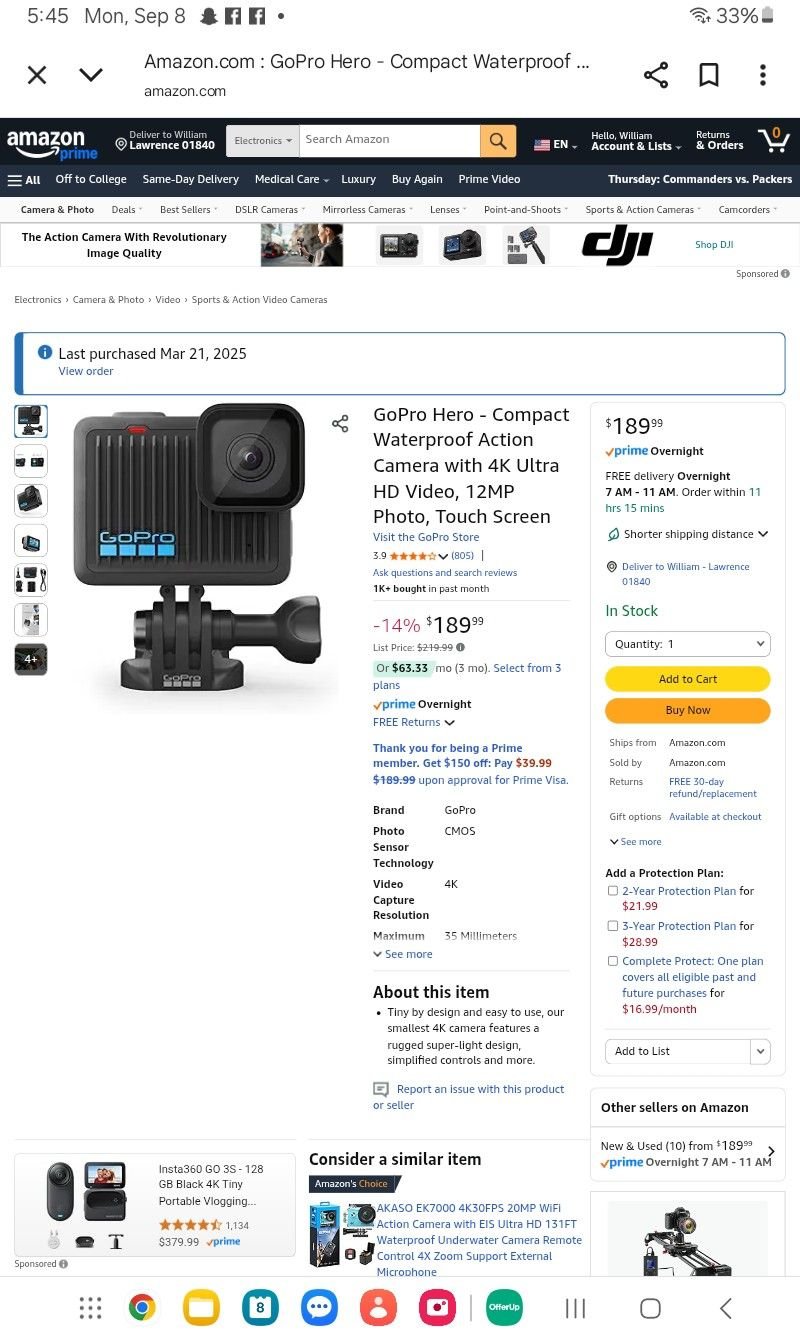
Action camera waterproof features let you shoot safely underwater and resist splashes and pressure.
I’ve spent years testing action cameras in surf, rain, and shallow dives, and I’ll guide you through every waterproof feature that matters. This article explains ratings, housings, seals, real-world limits, maintenance tips, and buying advice so you can pick and use an action camera with confidence.
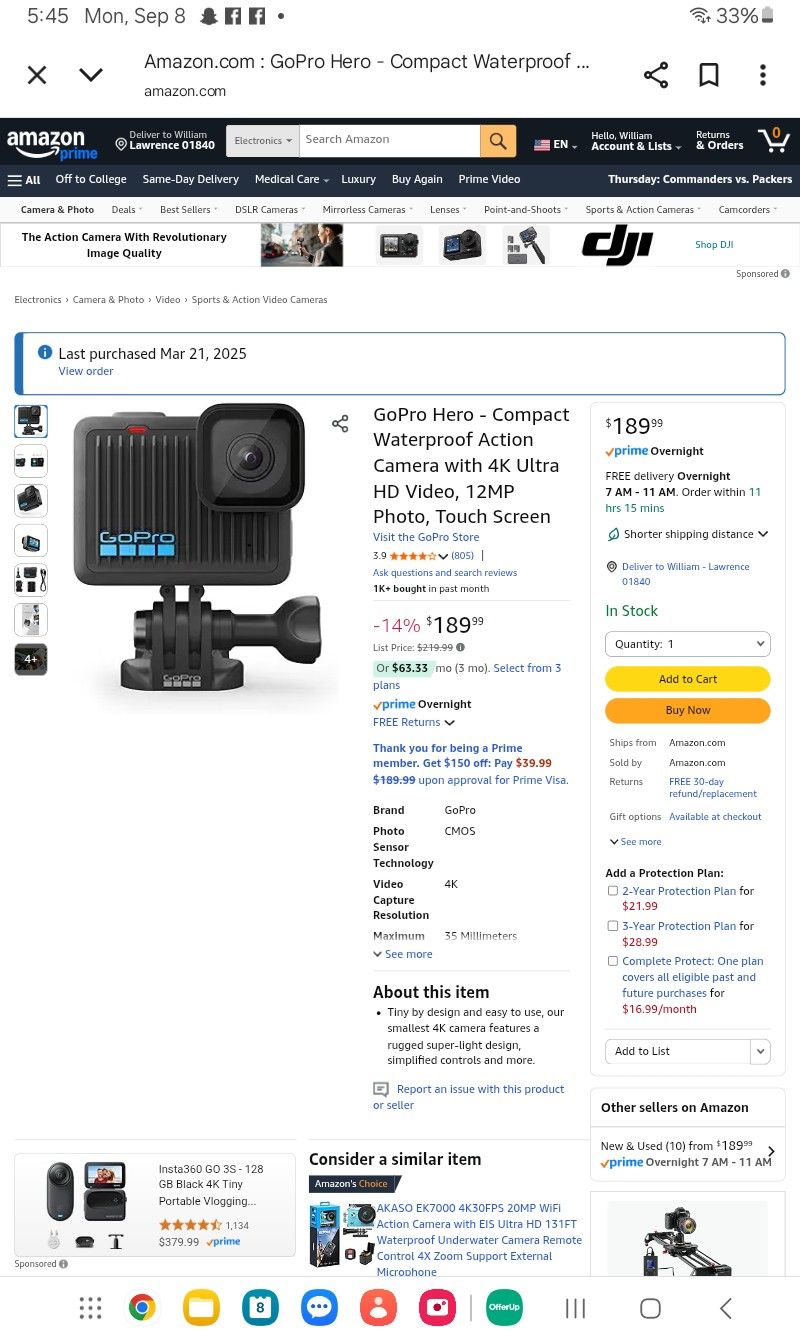
Why waterproof features matter for action cameras
Waterproof features protect your camera from water damage and let you film activities that involve splashes, rain, or immersion. Without reliable waterproof features, you risk ruined footage, corrosion, and permanent device failure.
Good waterproofing also affects image quality underwater. Lenses, housings, and pressure resistance change how colors, focus, and stabilization perform. Understanding action camera waterproof features helps you choose the right model and avoid expensive mistakes.

Key waterproof features explained
Below are the main action camera waterproof features you’ll encounter and what each one does.
- IP and ATM ratings
- IPX and IP codes describe water resistance tested in controlled conditions.
- ATM ratings (meters) show practical depth resistance for immersion.
- Built-in waterproofing
- Cameras advertised as waterproof have sealed bodies and internal gaskets.
- Built-in protection is convenient for casual snorkeling and rain.
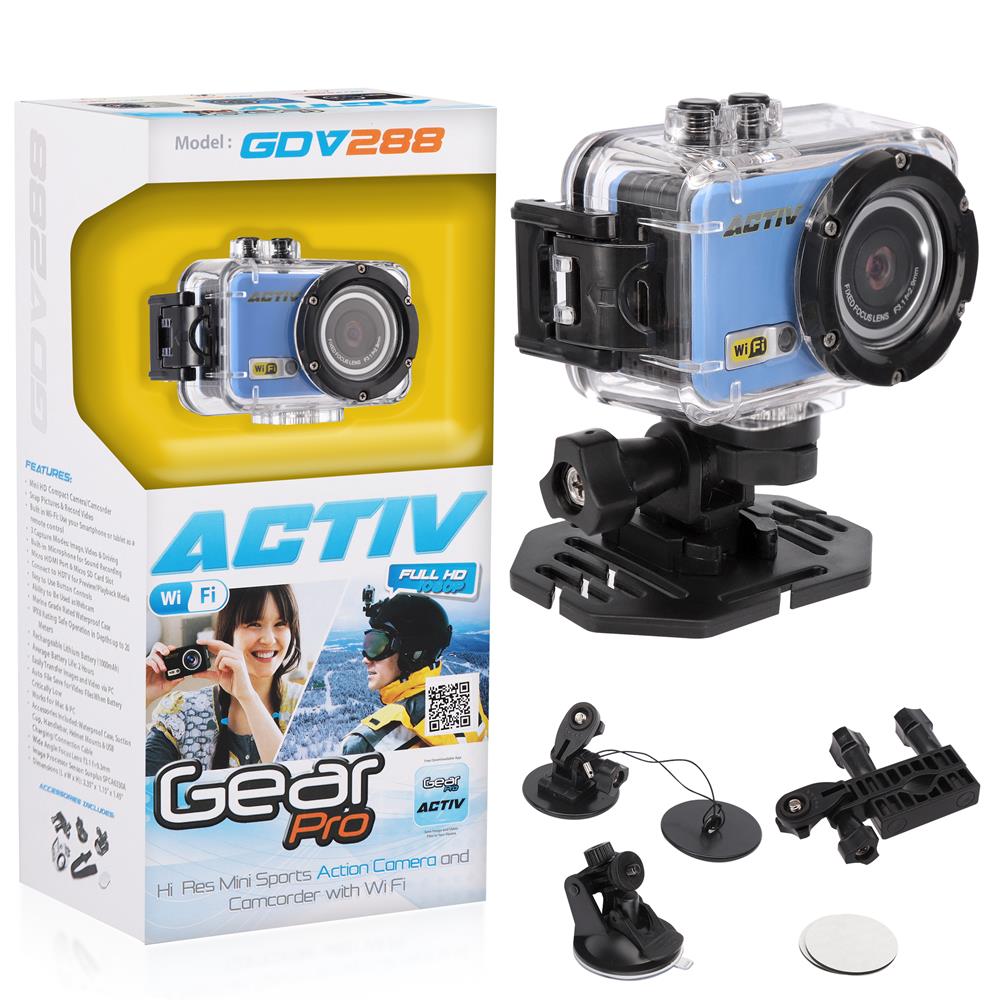
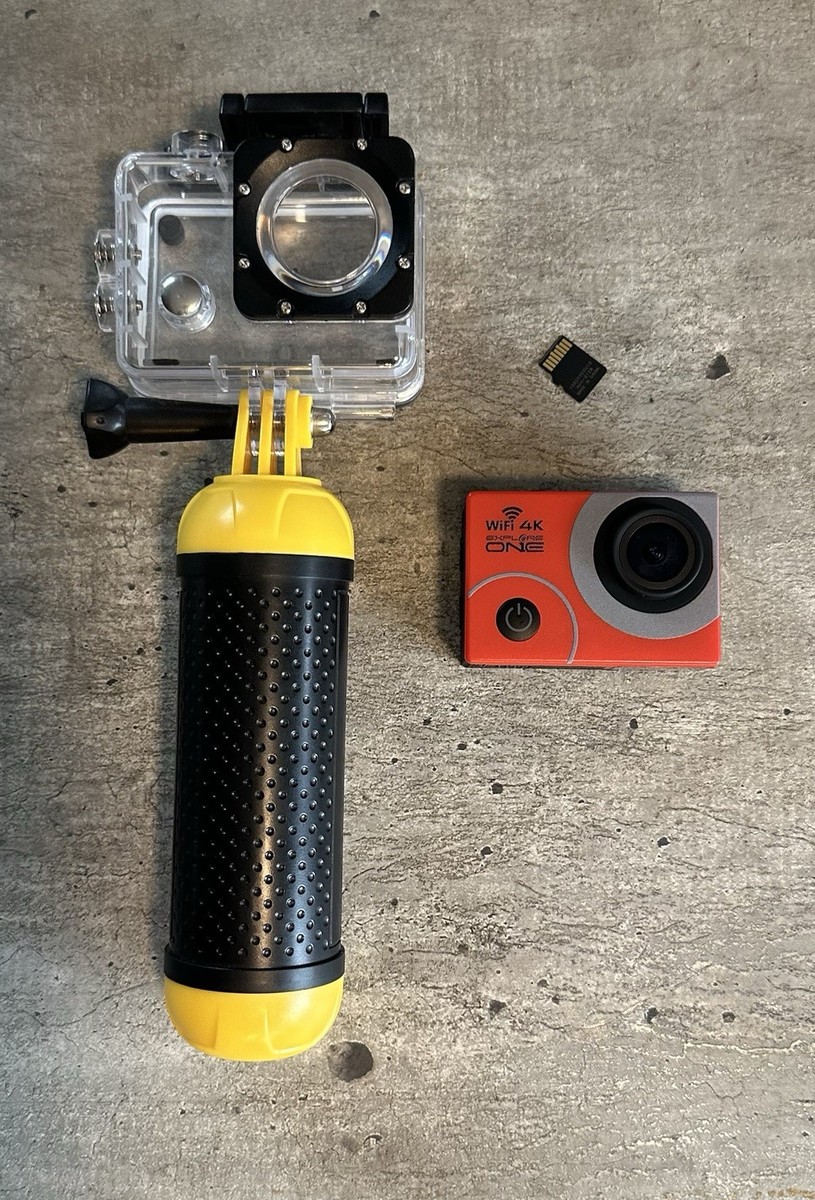
- Waterproof housings
- External housings add depth rating and physical protection.
- Housings can change handling, audio, and touch control.
- Seals, O-rings, and gaskets
- These keep water out at joints and ports.
- Regular inspection and lubrication prevent leaks.
- Port covers and flaps
- Protect charging, HDMI, and memory ports when not in use.
- They must be fully closed and secure before exposure to water.
- Lens and glass covers
- Replaceable lens covers protect optics from scratches and pressure.
- Optical flatness matters for underwater clarity.
- Anti-fog solutions and inserts
- Prevent condensation on the inside of housings.
- Silica packs or foam inserts are common.
- Buttons and touchscreen behavior
- Buttons need seals; touchscreens often don’t work underwater.
- Mechanical controls with good seals are better for diving.
- Pressure compensation and structural strength
- Thicker housing walls and pressure-rated cases stop crushing at depth.
- Pressure compensators are rare but useful for deep dives.
These action camera waterproof features determine what activities you can safely film, and they influence image and audio results.
How to read waterproof ratings: IPX and ATM made simple
Understanding ratings helps you avoid misuse and disappointment.
- IPX ratings
- IPX0 means no protection; IPX7 covers immersion to 1 meter for 30 minutes; IPX8 means immersion beyond 1 meter under manufacturer conditions.
- IP ratings don’t always show dust protection unless a second digit is included.
- ATM depth ratings
- 1 ATM equals roughly 10 meters of pressure resistance in static conditions.
- A 3 ATM rating is about 30 meters, commonly used for swimming and snorkeling.
- Practical examples
- IPX8 built-in waterproofing might allow swimming but not deep scuba dives.
- An action camera with a 30m housing is better for snorkeling and recreational diving.
Keep in mind ratings assume no accessories, no damage, and proper sealing. Ratings are a guide, not a guarantee.

Built-in waterproofing vs. waterproof housing
Choosing between built-in waterproofing and a housing comes down to convenience, depth, and durability.
- Built-in waterproofing
- Pros: compact, lighter, quick to use, often works well for rain, surfing, and snorkel depths.
- Cons: limited depth, harder to repair if breached, sometimes lower audio quality.
- Waterproof housings
- Pros: higher depth ratings, better protection against impacts, easy to replace seals, often cheaper to service.
- Cons: bulkier, can muffle audio, may add reflection or color shift if not optically matched.
From my experience, a housing is a wise choice if you plan to dive deeper than 10 meters or do rocky shoreline shoots. For casual kayaking and beach days, built-in waterproofing wins for speed and simplicity.

Real-world underwater performance: color, stabilization, and audio
Water changes everything about how your footage looks and sounds.
- Color and white balance
- Water absorbs red wavelengths first, so footage looks blue-green without correction.
- Use manual white balance or color correction in post, or a red filter in shallow depths.
- Stabilization and sharpness
- Image stabilization still works underwater but can behave differently due to buoyancy.
- Faster frame rates help capture motion in choppy water.
- Autofocus and exposure
- Low contrast scenes underwater can confuse autofocus; consider locking focus or using manual exposure.
- Audio
- Microphones are usually muffled or useless underwater; expect to record ambient sounds separately or add voiceovers.
When I filmed a surf session, I swapped to 60 fps to keep shots steady and used a quick color grade to warm highlights. For diving, I relied on housings and shot in flat color to preserve grading flexibility.

Maintenance, care, and common failure points
Proper care extends the life of waterproof features and prevents leaks.
- Pre-use checks
- Inspect O-rings for sand, hair, or nicks; replace if damaged.
- Check port covers are closed and latches are secure.
- After saltwater use
- Rinse in fresh water immediately and let dry before opening.
- Salt accelerates corrosion and degrades seals quickly.
- Anti-fog and interior care
- Use silica packs or anti-fog inserts inside housings.
- Avoid breathing into the housing to reduce condensation.
- Common failure points
- Scratched lens covers, pinched O-rings, and loose port flaps are frequent issues.
- Dropping the camera or housing can create hairline cracks invisible at first.
I once lost footage because a tiny grain of sand prevented a clasp from sealing. Now I always perform a dry-bag leak test at home before leaving for water shoots.
Buying guide: choosing the right waterproof action camera
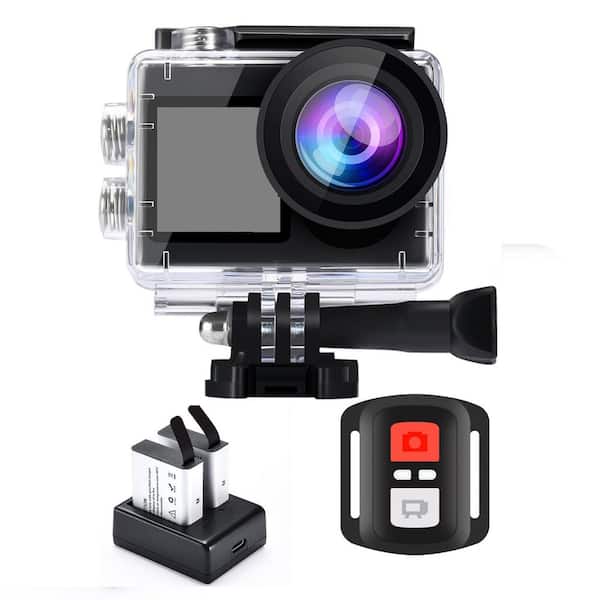
Match action camera waterproof features to your intended use.
Checklist before buying
- Activity type: swimming, snorkeling, surfing, scuba diving, or kayaking.
- Depth needs: choose IPX and ATM ratings that exceed your typical depth.
- Size and weight: consider mounts and housings for mobility.
- Image specs: resolution, frame rate, and stabilization for your content style.
- Battery life: longer shoots need spare batteries or power packs.
- Accessories: filters, floatation, and housings expand capability.
- Budget and serviceability: replaceable O-rings and accessible parts matter.
If you dive deeper than 30 meters, prioritize housing-rated depth and serviceable seals. For vlogging near water, prioritize built-in waterproofing and good stabilization.

Testing and safety tips before you dive or surf
Simple checks prevent catastrophe.
- Visual inspection
- Check O-rings, seals, and port flaps for damage.
- Dry bag test
- Place the camera inside a sealed plastic bag and submerge for a minute to test for leaks.
- Floatation
- Use a float mount or strap; unsecured cameras sink quickly.
- Backup plan
- Carry spare O-rings, a small toolkit, and a silica pack.
- Practice close to shore
- Test settings and housings in shallow water first.
I always tether my camera on the first use in a new location. It saved a camera after a mount failed during a rough surf session.
Frequently Asked Questions of action camera waterproof features
What does IPX8 mean for an action camera?
IPX8 indicates the device was tested for continuous immersion beyond 1 meter under manufacturer-specified conditions. It doesn’t specify exact depth unless the maker provides it, so check the depth limit.
Can I use a waterproof action camera for scuba diving?
You can if the camera or its housing is rated for the depth you plan to dive. Most built-in waterproof cameras are fine for snorkeling but require housings for deeper scuba dives.
How often should I replace O-rings on housings?
Replace O-rings every 6–12 months with heavy use, or immediately if you see cuts, stretching, or hardened rubber. Regular inspection after each saltwater trip is essential.
Will touchscreens work underwater?
Most touchscreens don’t work underwater due to pressure and conductivity; mechanical buttons or housing-mounted controls are more reliable. Plan for button control when filming submerged.
How do I prevent fogging inside the housing?
Use silica gel packs or anti-fog inserts and pre-warm the housing to reduce temperature differences. Proper ventilation and drying after use also help prevent condensation.
Are aftermarket housings safe to use?
Quality aftermarket housings can be safe if they meet pressure ratings and have good seals, but lower-cost models may be less reliable. Test any aftermarket housing carefully before real dives.
What should I do if my camera gets wet inside?
Power off immediately, remove the battery and memory card, and dry thoroughly in a ventilated place with silica packs. Don’t power it back on until you’re confident it’s fully dry and inspected.
Conclusion
Waterproof features let you take your action camera into rain, surf, and below the surface. Learn ratings, choose appropriate housings, maintain seals, and test gear before each use to protect your investment and capture better footage. Start by matching action camera waterproof features to your activities, then follow simple maintenance and testing steps.
Take action: inspect your camera and seals today, plan one water shoot using these tips, and share your experience or questions in the comments to keep learning.
As an Amazon Associate, I earn from Qualifying Purchases.